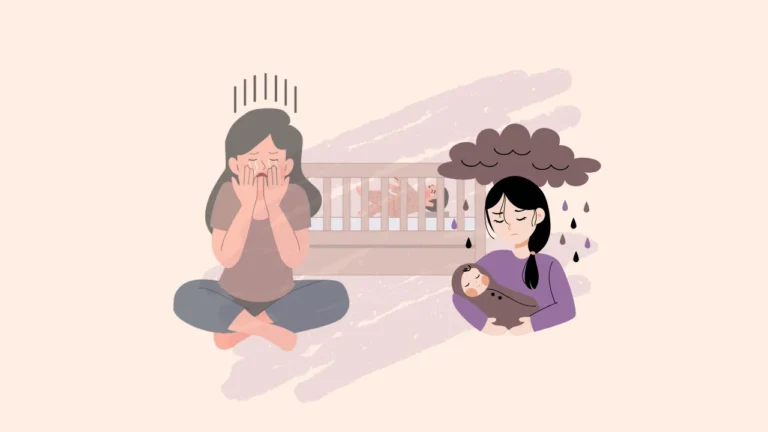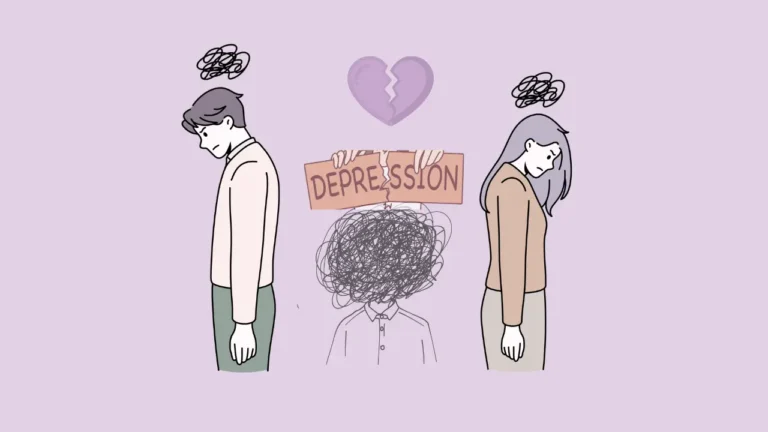
What Is Smiling Depression? Why Happy People Suffer Most

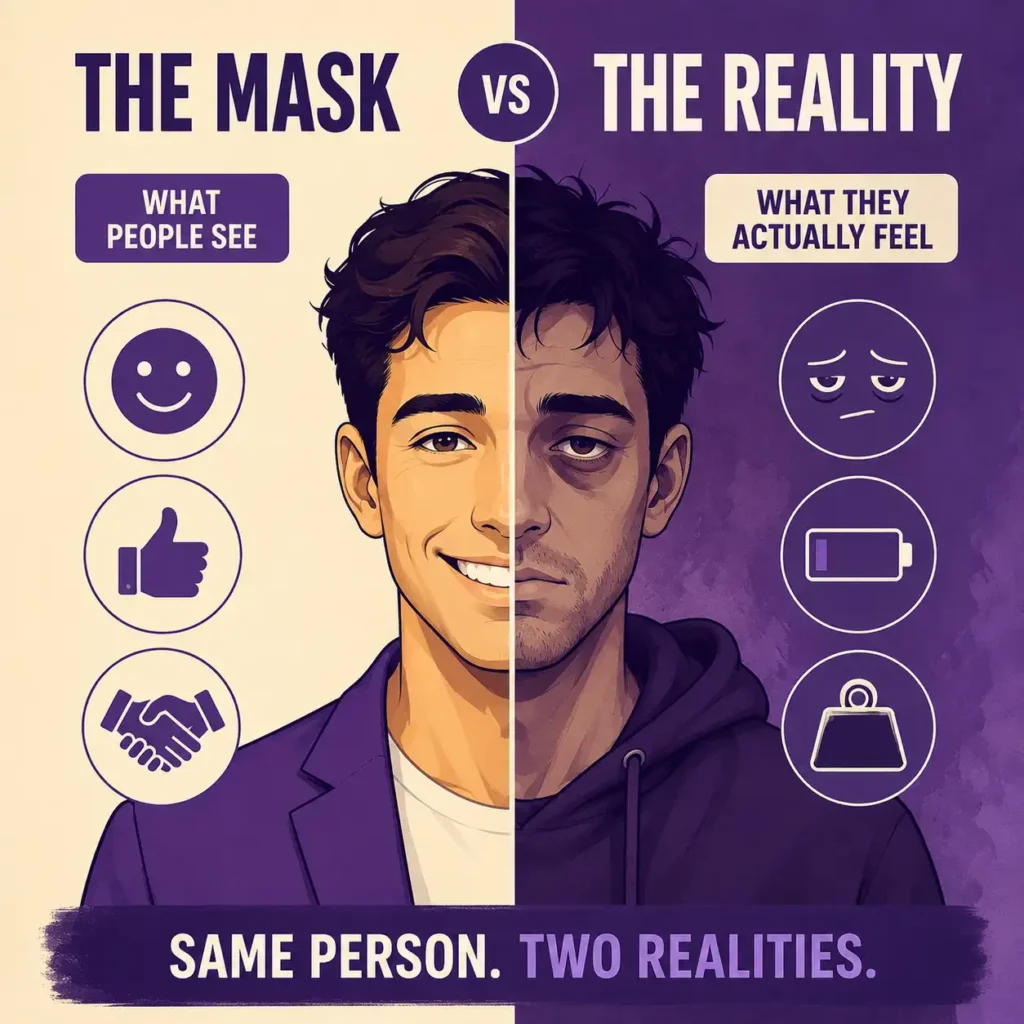
There is someone in your office right now who laughs loudly at lunch. Some people seem to have everything together. They are friendly, dependable, and engaged in conversations. They meet deadlines, keep commitments, and rarely show signs of struggle. To everyone around them, they appear happy and completely fine.
And they are suffering in a way that nobody around them can see.
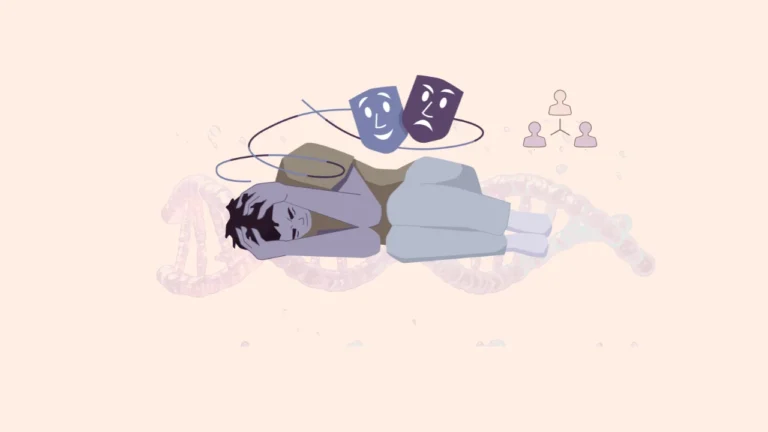
This is what smiling depression looks like in real life. Not the version people picture when they hear the word depression. Not the person who cannot get out of bed or stops showing up. The person nobody would ever think to worry about. That gap between what people show the world and what they carry privately is exactly why smiling depression is one of the most overlooked and most dangerous forms of hidden depression there is.
If you are in the Dallas-Fort Worth area and something about this already sounds familiar, keep reading.
Key take away:
- What is smiling depression and why it hides so well
- The smiling depression symptoms most people overlook
- Why DFW work culture makes hiding easier and harder to admit
- How depression shows up physically through the body
- What actually helps when the mask comes off
What Is Smiling Depression
Smiling depression is not a formal diagnosis, but it describes a very real pattern. Someone may meet the criteria for depression while continuing to function at a high level. They go to work, maintain relationships, and seem completely fine. Inside, they are exhausted in ways sleep cannot fix.
Depression and stigma are closely linked. Many people with smiling depression learn to hide their struggles. They become so good at appearing okay that even those closest to them may not notice. In a place like DFW, where productivity and positivity are prized, that performance can continue for years.
Depression without sadness sounds contradictory, but it is common. For many people, it feels less like sadness and more like emptiness. You go through the motions, and by Sunday evening, Monday feels overwhelming not because something is wrong, but because everything feels harder than it should.
The Smiling Depression Symptoms Nobody Talks About
Most people know the classic signs of depression: low mood, loss of interest, and appetite changes. What gets less attention are the symptoms of smiling depression that hide in plain sight.
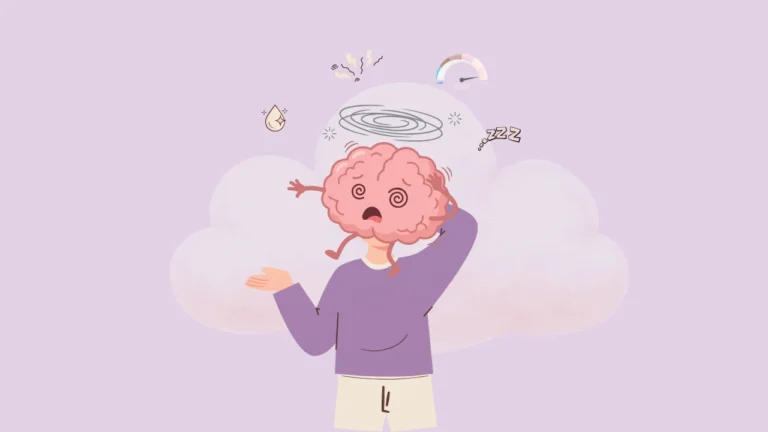
Persistent tiredness often has little to do with how much you slept. Depression and oversleeping are more connected than many realize. You might sleep ten hours and still wake up exhausted. The bed stops feeling like rest and starts feeling like escape.
Motivation fades in ways that feel personal. Depression affects the brain’s dopamine system, making things that once felt rewarding seem meaningless. You still go through the motions, but somewhere along the way, the excitement disappeared.
Social withdrawal often looks like being busy. Depression and friendships quietly drift apart because showing up takes more energy than you have. You cancel plans, reply days later, and promise yourself you’ll reconnect when you feel better. That day keeps getting pushed back.
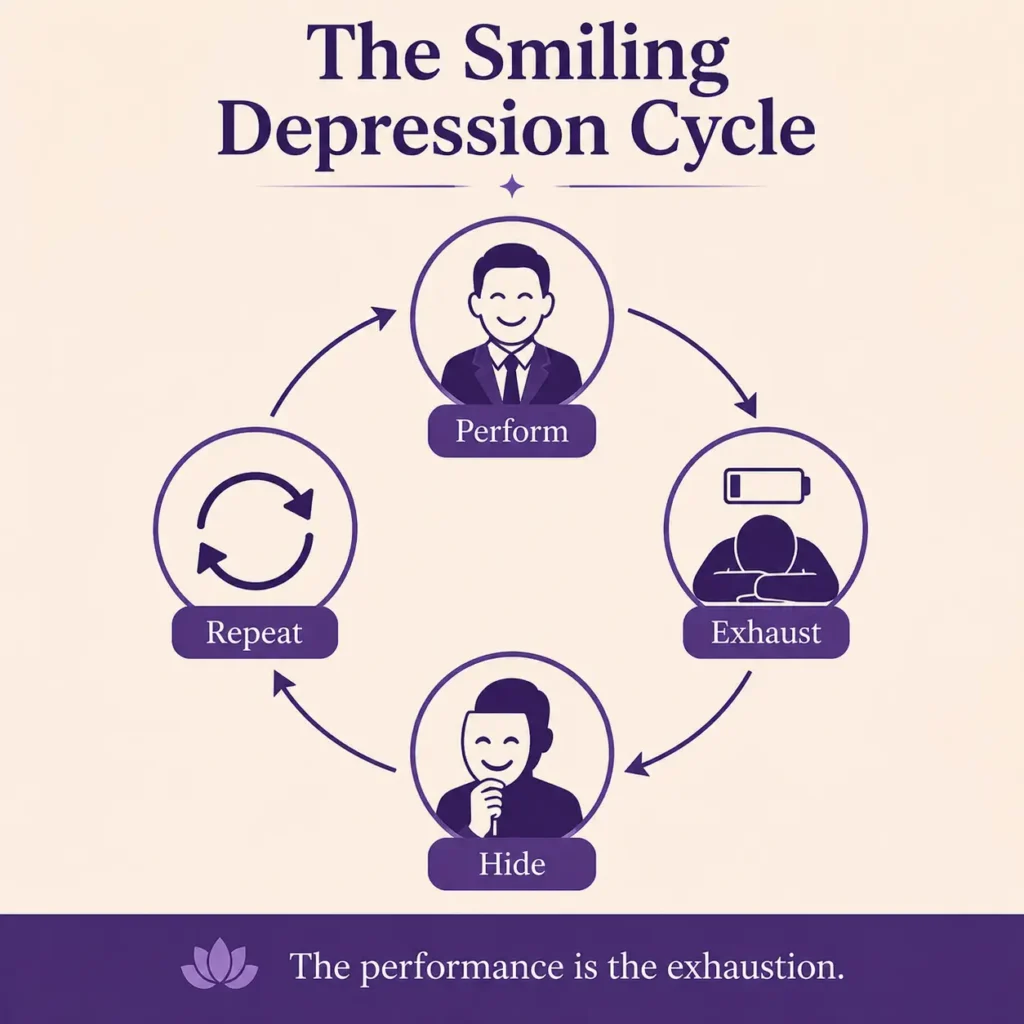
One of the hardest parts of smiling depression is keeping up appearances. You hold it together at work, then crash when you get home. Colleagues see the polished version. The people closest to you see how exhausted you really are.
Why DFW Culture Makes This Harder to See and Harder to Admit
Dallas-Fort Worth has a particular kind of energy. Driven, fast-moving, and outwardly successful. The culture here rewards people who push through. Who stays positive. Who do not let personal things affect their professional presence.
That is not criticism. It is just an honest look at what makes depression and stigma so persistent in this specific environment. When the people around you are performing high functioning, admitting that you are struggling feels like falling behind. So, you perform too. You put on the mask every morning, and you wear it well.
Hidden depression thrives in that kind of environment. Not because people are weak but because the culture makes visibility feel risky. The person who finally admits they are not okay often says the hardest part was not the depression itself. It was believed they were allowed to say something.
The Physical Side That Gets Missed
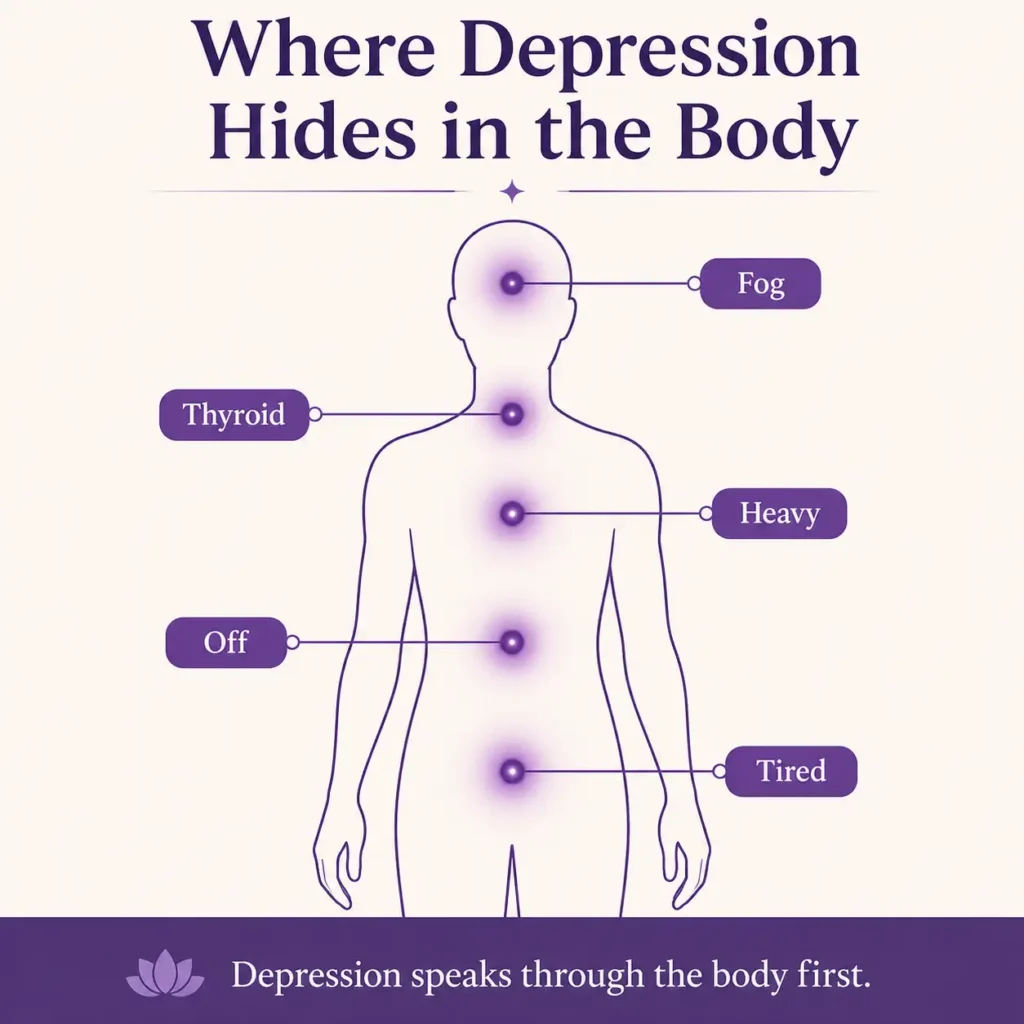
Here is something a lot of people do not connect with. Depression lives in the body, not just the mind.
Depression and thyroid function are closely linked. An underactive thyroid produces symptoms that look almost identical to depression. Fatigue, low mood, weight changes, difficulty concentrating. A lot of people get treated for one when the other is actually driving it. If you have been dealing with depression symptoms that are not responding the way you would expect, a thyroid panel is worth asking about.
Depression and caffeine have a more complicated relationship than most people realize. A lot of people with hidden depression lean heavily on caffeine to get through the day. It helps for a few hours and then the crash lands harder. Over time that cycle can make anxiety worse and sleep quality drop further, both of which feed back into the depression itself. It is not that caffeine causes depression. It is that it can quietly make it harder to climb out.
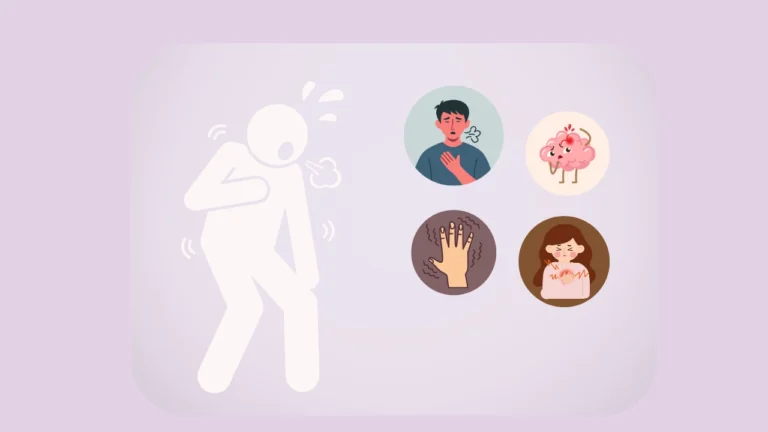
Sleep, appetite, physical tension, headaches, and digestive issues can all be the body’s way of signaling that something is off emotionally. The mind-body connection is real, and depression often speaks through the body long before it announces itself through mood.
Why Smiling Depression Goes Untreated for So Long
The honest answer is that nobody asks. And the person dealing with it does not volunteer for the information because they have become so convincing, even to themselves, that they are fine.
There is also a real internal conflict that happens with smiling depression. Because you are still functioning, it is easy to tell yourself it does not count. Other people have real problems. You have a job, a roof, and people who love you. What do you have to say you are struggling?
That thinking is exactly what keeps people stuck. Depression does not require a visible reason. It does not need to be justified by your circumstances. Depression without sadness, without a dramatic breaking point, without anyone around you noticing, is still depression. And it still deserves real attention.
Depression and stigma play this too. The fear that saying something out loud makes you a burden, makes you seem unstable, makes people see you differently. In a professional environment, fear is even sharper. So, the mask stays on. The performance continues. And the gap between the outside and the inside keeps growing.
What Actually Helps For Smiling Depression
Getting honest with one person is usually where things start to shift. Not an announcement. Not a full breakdown. Just one conversation with someone you trust where you stop performing.
Professional support is what moves things forward in a lasting way. Therapy for smiling depression works because it creates a space where performance is not required. A good therapist is not fooled by the mask and is not going to let you coast on it either. They are going to help you figure out what is actually going on underneath and build something real from there.
For some people, medication is part of the picture. For others, it is not. That conversation belongs with a psychiatrist who takes a full look at what is happening rather than reaching for a quick fix.
Addressing the physical pieces matters too. Getting your thyroid checked. Looking honestly at your sleep. Thinking about whether caffeine habits are helping or hurting. These are small things individually, but they add up.
Depression and friendships can be repaired when the hiding stops. The people who care about you would rather know the truth than keep getting the performance. Most of the time, being honest about struggling brings people closer rather than pushing them away.
Frequently Asked Questions
Smiling depression describes a situation where a person experiences symptoms of depression while continuing to appear happy, productive, and engaged in daily life. Many people with smiling depression hide their struggles behind a positive outward appearance.
Hidden depression refers to depression that is not obvious to others. People with hidden depression may continue working, socializing, and meeting responsibilities while privately dealing with emotional pain, fatigue, or hopelessness.
Depression and oversleeping are commonly linked. Some individuals with depression sleep longer than usual yet still wake up feeling tired, unmotivated, or mentally drained throughout the day.
Depression and stigma are closely related because fear of judgment can prevent people from seeking help. Stigma may cause individuals to hide symptoms, delay treatment, and continue struggling in silence instead of accessing support and care.
You Do Not Have to Keep Performing
If you’re in the Dallas-Fort Worth area and have been carrying this quietly for longer than you’d like to admit, you do not have to keep doing it alone.
Smiling depression is real. Looking fine on the outside while struggling inside doesn’t mean you’re okay, it means you’ve become very good at hiding the pain. Often, the people suffering most are the ones who seem to have it all together.
If this sounds like you, it’s okay to ask for help.
Beautiful Minds TX offers psychiatric evaluations and therapy across DFW, with both telehealth and in-person appointments available.
Take the First Step Today.
Disclaimer: This content is for informational and educational purposes only. It is not a substitute for professional mental health advice, diagnosis, or treatment. If you are in crisis, call or text 988 for the Suicide and Crisis Lifeline.