Depression and Appetite: Why It Changes How You Eat and What Helps
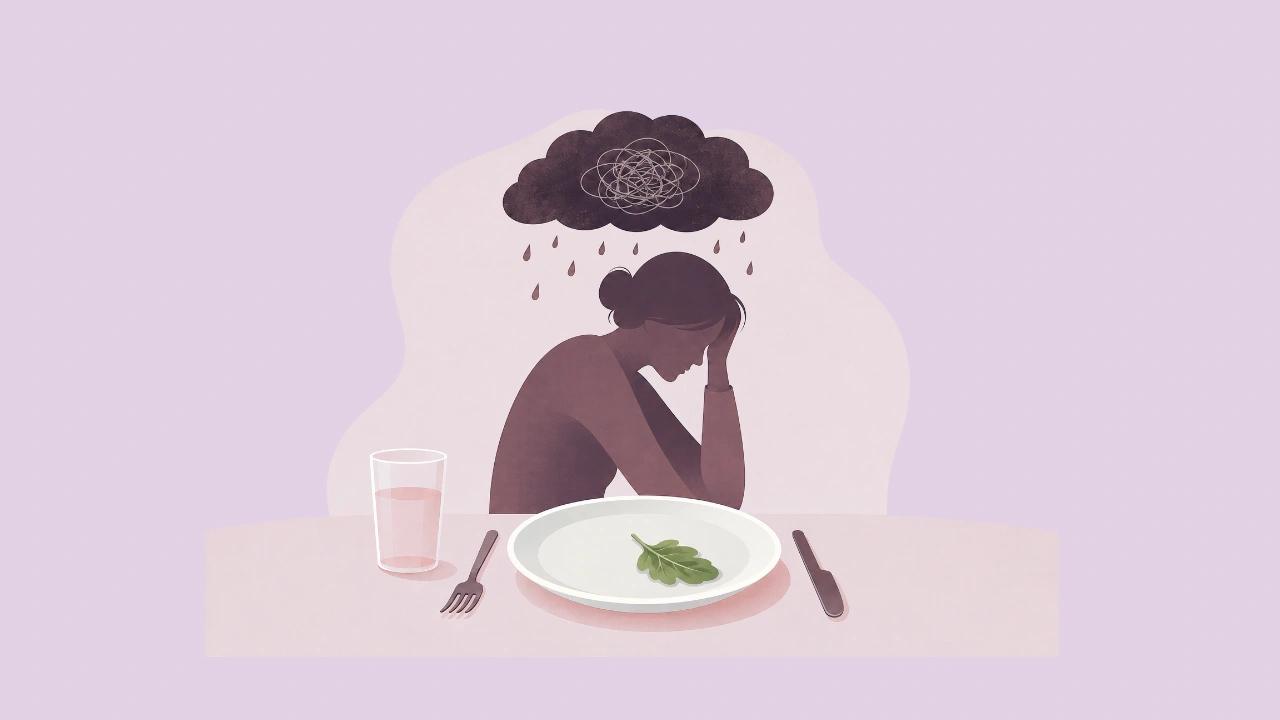
Depression and appetite are connected more closely than most people expect. Maybe the food looks fine, but you feel nothing when you see it. Maybe you eat all day and still feel empty. Both can happen with depression, and neither one means you’re weak or doing something wrong.
Depression can change how you eat, and understanding these changes matters. Learn how appetite changes differ from eating disorders, what else can cause appetite loss, and when to seek help. You’ll also learn about treatment options at Beautiful Minds Psychiatry in Frisco.
Key Takeaways
Depression can lower your appetite, raise it, or change what you crave, and a psychiatrist can help you find out why. Here’s what you need to know:
- Depression changes eating in both directions. Some people lose their appetite, and others eat more.
- Nausea can make eating harder, and it needs a medical check to find the cause.
- Other health problems can also cause appetite loss, so don’t self diagnose.
- Get help if you’re losing weight without trying, barely eating, or feeling worse each day.
- Treatment can include an evaluation, medication management, therapy, and practical support.
Can Depression Cause Loss of Appetite?
Yes. According to the National Institute of Mental Health, changes in appetite and weight are recognized symptoms of depression, and they can go either way. Scientists are still studying exactly how depression changes appetite. Your appetite also depends on hormones, sleep, energy, and signals from your gut, and depression can throw off all of them.
Depression and loss of appetite often come with low energy, poor sleep, and trouble focusing. You may skip meals because nothing sounds good. You may skip them because eating feels like too much work. Either way, the cause is not a lack of willpower.
Depression and Not Eating: What It Can Do to Your Body
Depression and not eating can wear you down. When you eat too little for a while, you may feel weak, foggy, dizzy, or more irritable. Low intake can also lead to depression and weight loss, and it may leave you short on nutrients your body needs. Those effects can make low mood harder to handle, so the cycle feeds itself.
How fast this happens depends on your health and how little you eat, so don’t wait for a magic number of days. If your eating drops and stays down, tell a clinician.
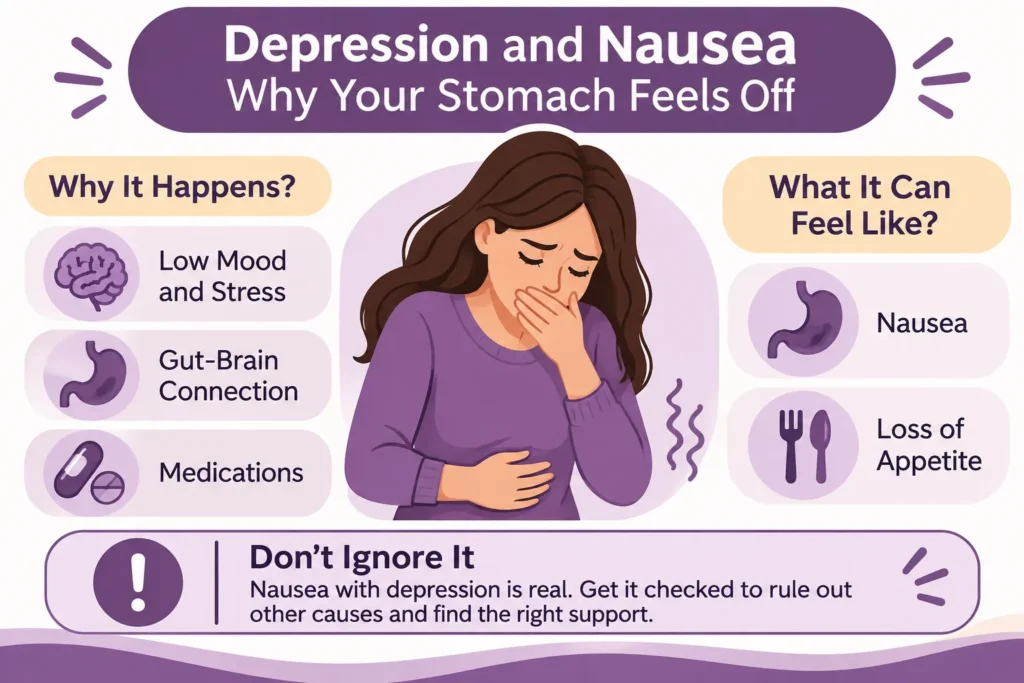
Depression and Nausea: Why Your Stomach Feels Off
Depression and nausea often show up together. Low mood and stress can change how your stomach feels, and the reason can differ from person to person. Nausea can also come from other conditions or from some medications.
The result is lack of appetite and nausea at the same time, which makes eating even harder. The nausea is real, even when tests find nothing wrong with your stomach. Still, get it checked. Many other conditions cause it, and you’ll read about them below.
Depression and Overeating: The Other Direction
Not everyone with depression eats less. Depression and overeating happen too. You may eat more, crave sweets or heavy comfort foods, or eat when you aren’t hungry. Food can feel like the only thing that helps for a few minutes.
That doesn’t mean you lack self control. Eating to cope is common with low mood, and the guilt afterward can make the cycle worse. Treatment can help with eating in either direction.
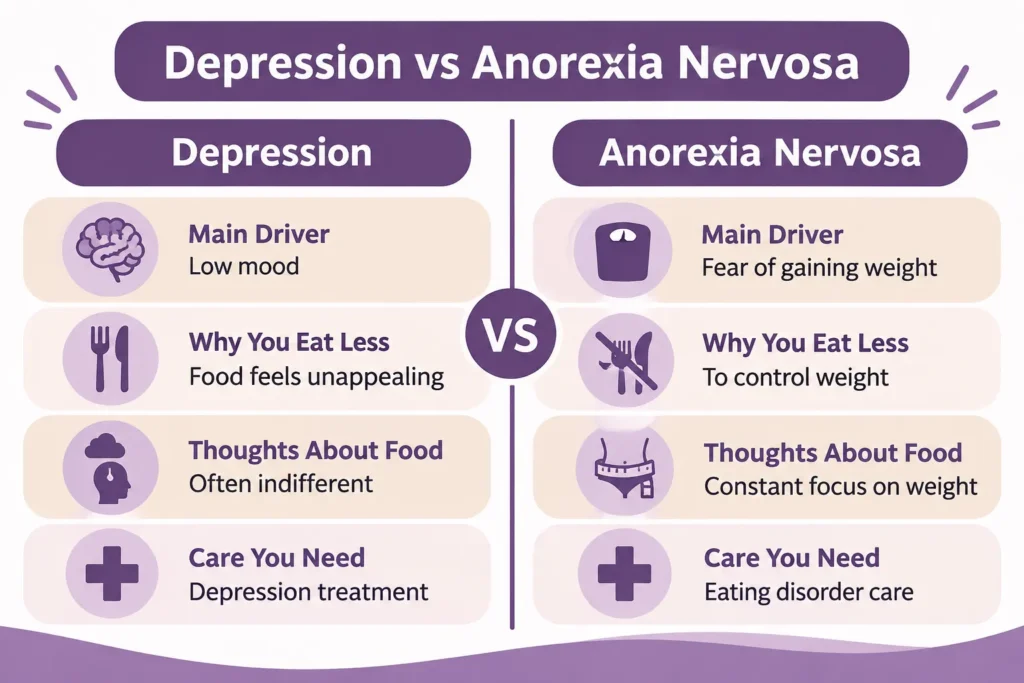
Is It Anorexia Nervosa? Depression and Eating Disorders Compared
Both conditions can make you eat less, and they can occur together, but they are not the same. Because depression and eating disorders overlap, and depression and anorexia can look alike from the outside, the difference matters.
| Depression related appetite loss | Anorexia nervosa | |
| Main driver | Low mood, low energy, loss of interest | Intense fear of gaining weight and a distorted view of body size |
| Why you eat less | Food feels unappealing or like too much effort | You restrict on purpose to control weight or shape |
| Thoughts about food | Often indifference | Often constant focus on weight, calories, and your body |
| Care you need | Depression treatment | Specialized eating disorder care |
Only a clinician can diagnose either condition, and you can have both. With depression and anorexia, the treatment differs, so an accurate diagnosis matters. Tell your provider if you fear gaining weight, count food rigidly, exercise to make up for eating, or make yourself vomit. The National Institute of Mental Health explains eating disorders in more detail.
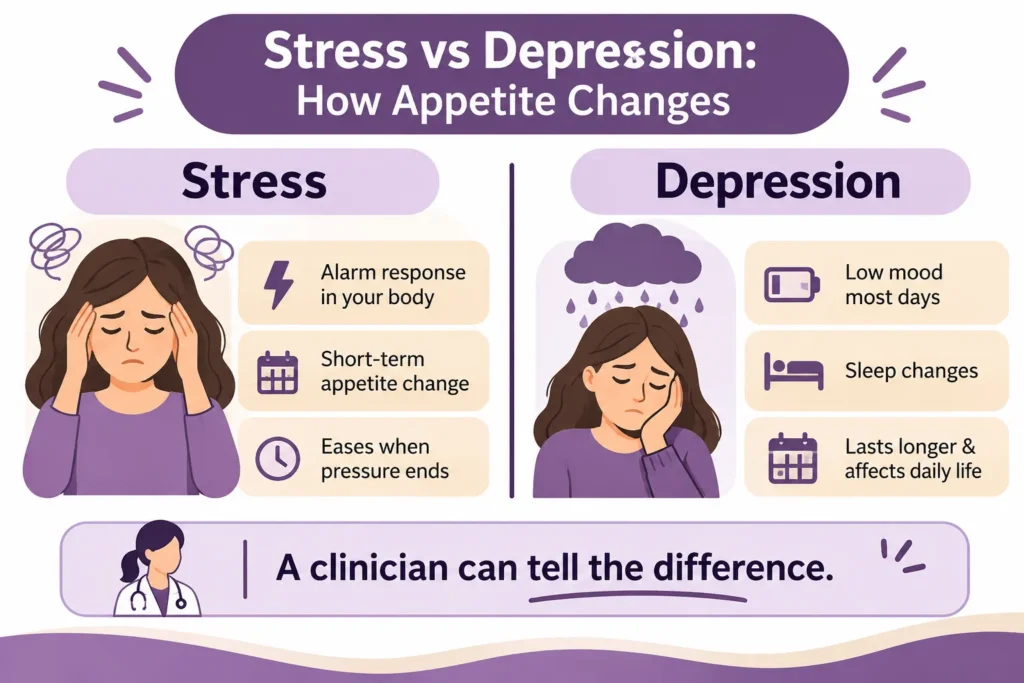
Does Stress Cause Loss of Appetite? How Stress and Depression Differ
Does stress cause loss of appetite? It can. Stress sets off your body’s alarm response, which can dull hunger for a while. Some people eat more instead.
Depression usually lasts longer and brings other symptoms: low mood or loss of interest most of the day, sleep changes, guilt, and trouble getting through your usual routine. The NHS lists these among the common signs. Stress often eases when the pressure does. Depression often doesn’t. That’s a general pattern, not a rule, so ask a clinician which one you’re facing.
Other Possible Causes of Appetite Loss
Depression and loss of appetite often go together, but depression isn’t the only reason you might not want food. A clinician may also look at:
- Anxiety or other mental health conditions
- Thyroid or other hormone problems
- Stomach or digestive conditions
- Infections or other illnesses
- Medications, including some antidepressants
- Pregnancy, alcohol or drug use, and dental or swallowing problems
Please don’t self diagnose. Several of these can cause lack of appetite and nausea, and some need medical care that has nothing to do with mood. A psychiatrist can sort out what fits and refer you to your primary care doctor when needed.
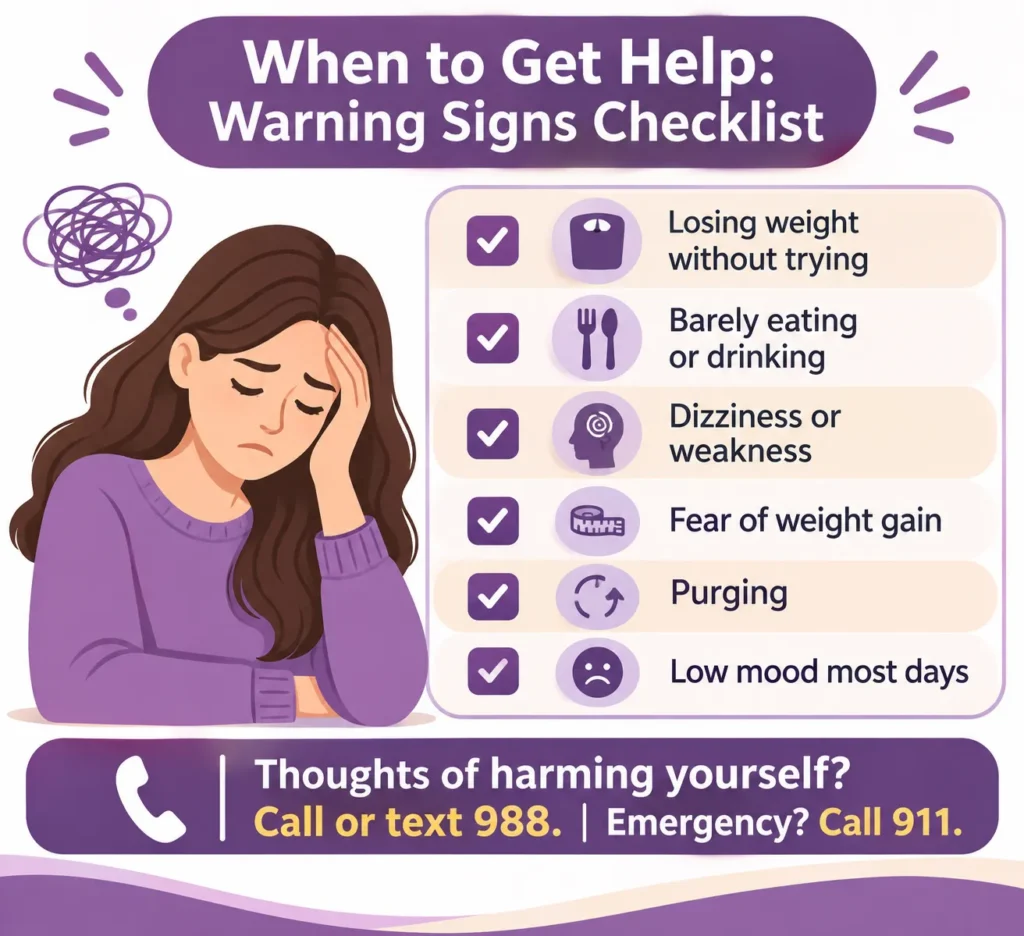
When Should You Get Professional Help?
Depression and weight loss together deserve a check. Reach out soon if you’re losing weight without trying, barely eating or drinking, or feeling dizzy, weak, or faint. Reach out too if your low mood lasts most days and gets in the way of work, relationships, or daily life. And tell someone right away if you fear weight gain, restrict food on purpose, or purge.
If you have thoughts of harming yourself, call or text 988 now. For a medical emergency, call 911.
What Helps: Treatment for Depression and Appetite Changes
Treatment works best when you combine a few pieces.
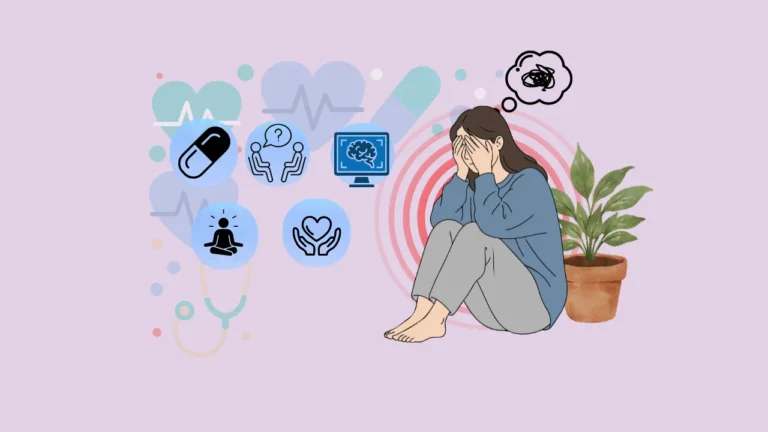
Psychiatric evaluation. Your psychiatrist asks about your mood, sleep, eating, weight, medications, and health history. They may suggest lab work or a visit with your primary care doctor to rule out other causes. Learn more about our depression treatment and psychiatric services.
Medication management. Antidepressants affect people differently. Your appetite may improve as your mood lifts. Some medications cause nausea early on, and a few, like mirtazapine, can increase appetite or weight. Your psychiatrist picks a medication based on your history, then tracks how you respond. Don’t stop it on your own. See how our medication management works.
Therapy. Therapy can help you work on the thoughts, habits, and emotions that shape how you eat. Cognitive behavioral therapy is one well studied option, and the American Psychological Association explains how therapy treats depression. Beautiful Minds focuses on psychiatric care, and your psychiatrist can coordinate with your therapist or help you find one.
Practical support. Small steps help while treatment gets going. Eat by the clock instead of waiting for hunger. Pick small meals or snacks. Keep easy foods nearby, like yogurt, eggs, toast, or smoothies. Eat with someone when you can, and ask a friend or family member to check in. A registered dietitian can build a plan with you if you need one.
The Appetite Clue Your Psychiatrist Never Ignores
At Beautiful Minds, we treat changes in eating as clues, not side issues. Your psychiatrist looks at appetite, sleep, energy, and mood together, because that pattern guides your treatment plan.
Yes. Depression can change appetite without an obvious trigger. If your eating has changed and you feel low, talk with a clinician.
There’s no safe waiting period. If you’re eating much less than usual, losing weight, or feeling weak, call your provider soon.
Researchers are still studying the link between mood and digestion. Whatever the cause, nausea deserves a medical check, since many conditions cause it.
Not always. Stress often dulls appetite for a short time. Depression tends to last longer and affect sleep, mood, and daily life.
No. Anorexia nervosa involves an intense fear of gaining weight and a distorted body image. They can occur together, so tell your provider about both.
Yes, in some people. Some medications can raise or lower appetite or cause nausea at first. Talk with your psychiatrist before changing anything.
Skipping Meals Isn’t Just a Mood Problem
Depression and appetite changes are real symptoms, not personal failures. You don’t have to wait for your appetite to come back or push through alone. A psychiatrist can look at the whole picture, rule out other causes, and build a plan around you. If you live in Frisco, Plano, McKinney, or Dallas, Beautiful Minds can help you take that first step.
Call 972 668 3109 or book an appointment online.
Disclaimer: This content is for informational and educational purposes only. It is not a substitute for professional mental health advice, diagnosis, or treatment. If you are in crisis, call or text 988 for the Suicide and Crisis Lifeline.