Treatment-Resistant Depression: Definition, Symptoms, Causes & Treatment Options
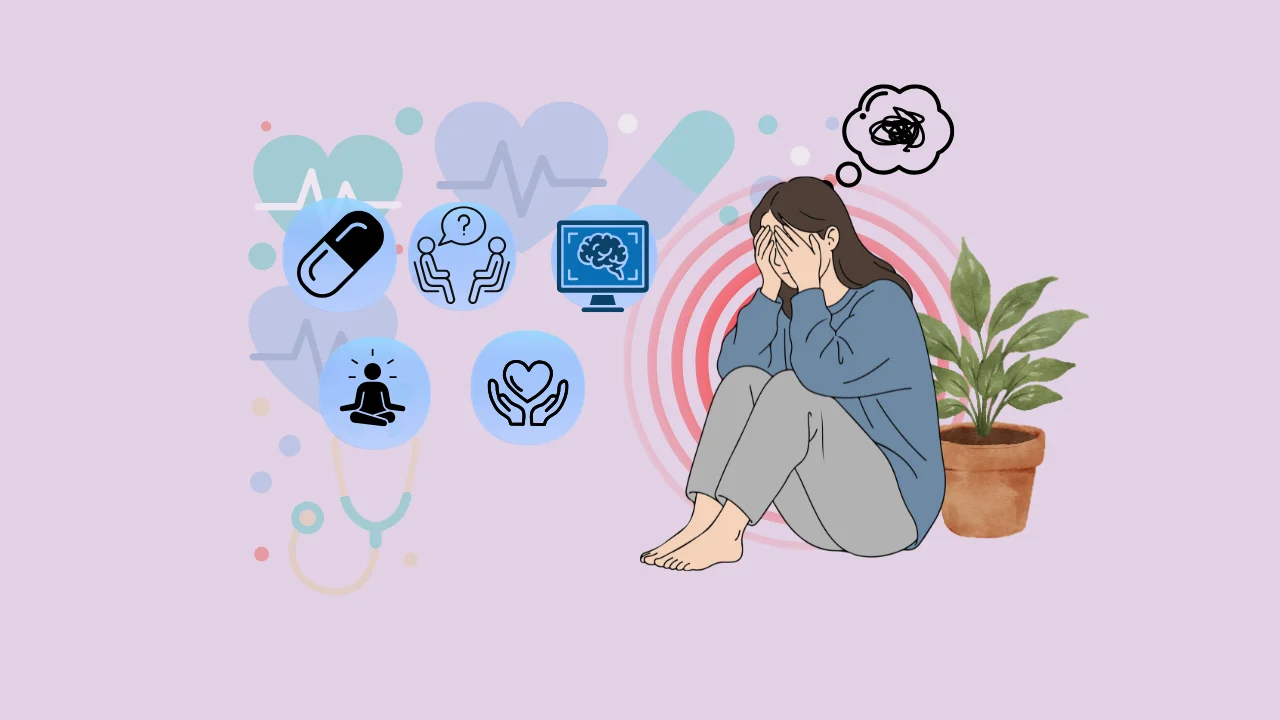
If antidepressants haven’t helped, you may be wondering what happens next. Here’s the short answer: treatment-resistant depression (TRD) is major depression that hasn’t improved enough after at least two antidepressants, each taken at the right dose for long enough. It sounds discouraging, but treatment-resistant does not mean untreatable. You still have options, including medication changes, therapy, TMS, and esketamine. This guide explains what to expect and what to ask your psychiatrist about depression treatment.
What Is Treatment-Resistant Depression?
The definition of treatment-resistant depression is depression that hasn’t improved enough after adequate trials of at least two antidepressants. An adequate trial means the right dose, taken as prescribed, for long enough to judge, often six to eight weeks. Definitions vary slightly among doctors, but this is the most common standard.
Two trials is the usual threshold because the first medicine often fails for reasons a switch can fix. If two fair tries haven’t helped enough, your psychiatrist reviews your diagnosis and your individual situation, then considers other approaches, such as switching medicines, adding therapy, TMS, or esketamine.
“Fail” doesn’t mean you did something wrong. It means a medicine didn’t give you enough relief, or the side effects were too hard to handle.
Treatment-Resistant Depression vs. Difficult-to-Treat Depression
Treatment often involves more than one step. Depending on what you’ve already tried, your psychiatrist may recommend one of the following options.
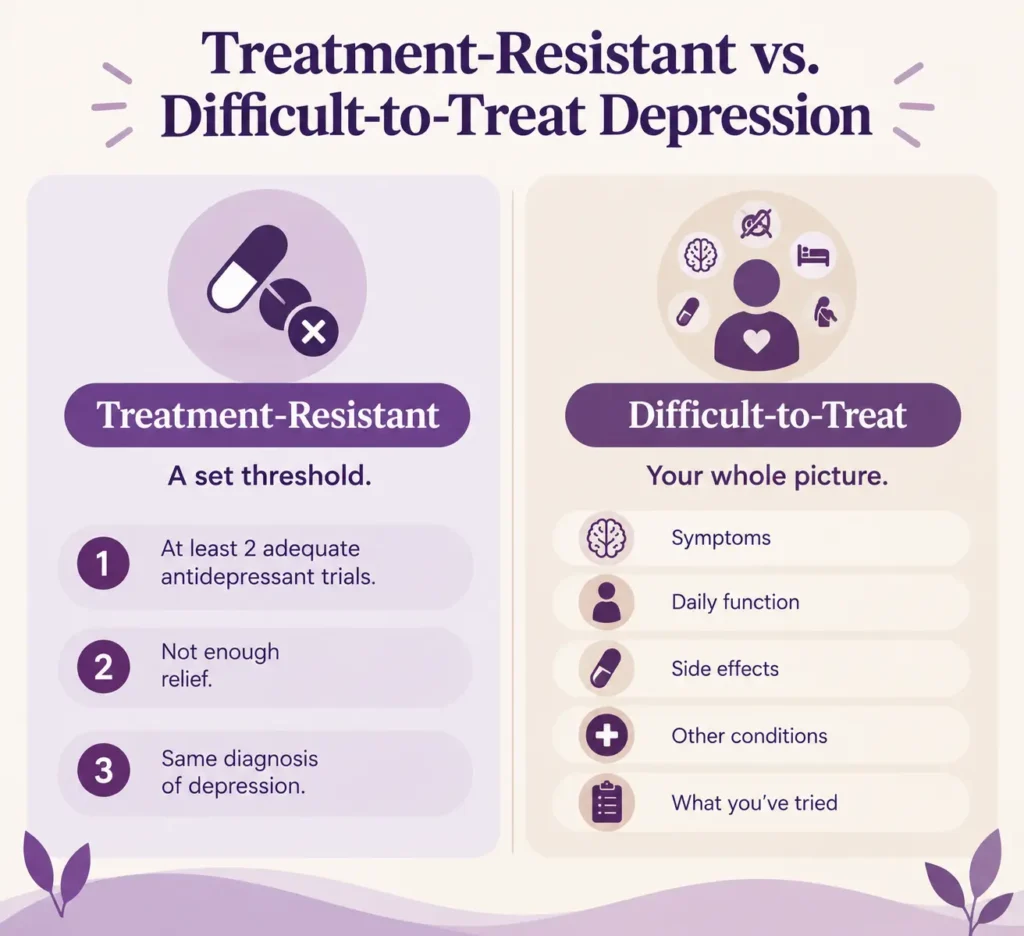
| Treatment-resistant depression | Difficult-to-treat depression | |
| Focus | A set threshold: at least two adequate antidepressant trials without enough relief | Your whole picture: symptoms, daily function, side effects, other conditions, and what you’ve tried |
| What it means for you | Your care team looks at stronger or different treatments | Your care team looks for what’s blocking progress and widens your options |
Researchers proposed difficult-to-treat depression as depression that “continues to cause significant burden despite usual treatment efforts.” It looks at your whole picture, including therapy. Experts still debate how to define treatment resistance, so your psychiatrist may use either term. Either way, you get a closer look and a wider set of options.
Treatment-Resistant Depression Symptoms and Causes
Treatment-resistant depression has no single cause, but knowing the symptoms and the factors involved helps you and your psychiatrist find what’s getting in the way.
Symptoms You May Notice
Treatment-resistant depression symptoms can look like major depression, but they continue despite adequate treatment. You may notice:
- A low, empty, or numb mood on most days
- Losing interest in things you used to enjoy
- Feeling tired, slow, or drained
- Trouble sleeping, or sleeping far too much
- Trouble focusing or making simple decisions
- Feeling hopeless, guilty, or worthless
- Aches, headaches, or stomach problems with no clear cause
If you have thoughts of suicide, call or text 988 right away. If you’re in immediate danger, call 911.
What May Contribute
Treatment-resistant depression does not have one single cause. These factors may contribute for some people, but none is a definite cause on their own.
Possible underlying factors. Biology and genetics may affect how your brain responds to antidepressants. Long lasting or repeated episodes of depression, ongoing stress, and past trauma may also play a role.
Other medical or psychiatric conditions. Another condition may be part of the picture, such as bipolar disorder, anxiety, OCD, PTSD, a thyroid problem, or a sleep disorder. Substance use can also affect treatment. A careful evaluation checks for these, because an added or different diagnosis can change your plan.
Treatment-related factors. Sometimes the treatment doesn’t have a fair chance. The dose may be too low, you may not have taken it long enough or missed doses and side effects may have interrupted it. Medicines can also interact.
What Happens When Antidepressants Don’t Work?
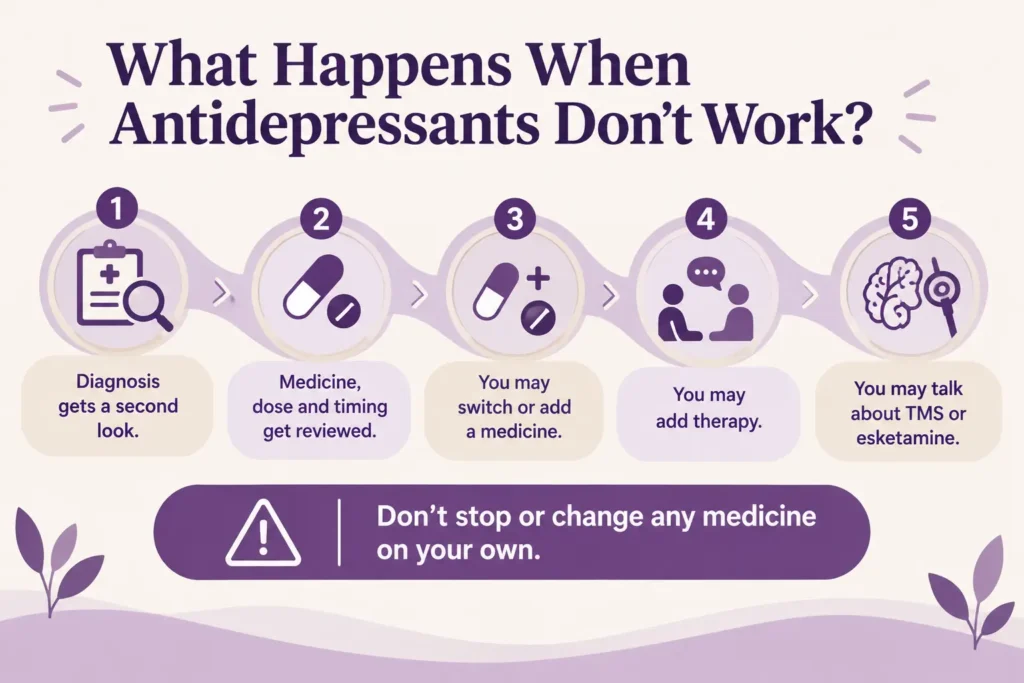
So, what happens when antidepressants don’t work? A good psychiatrist doesn’t stop there. Here’s what happens after two antidepressants fail:
- Your diagnosis gets a second look. Your psychiatrist rechecks your symptoms and rules out other causes.
- Your medicine, dose, and timing get reviewed. You go over what you took, how much, and for how long.
- You may switch or add a medicine. A different antidepressant, or a second medicine, may work better.
- You may add therapy. Talking with a therapist can help alongside medicine.
- You may talk about TMS or esketamine. These work differently than standard antidepressants.
Bring a list of every medicine you’ve tried, the dose, how long you took it, and any side effects. Don’t stop or change any medicine on your own, because stopping suddenly can make you feel worse.
Treatment-Resistant Depression Treatment Options
Treatment-resistant depression treatment often combines steps, and there are more treatment-resistant depression treatment options than most people expect. Here’s how they compare:
| Option | What it is | Who it may fit | Possible side effects or risks |
| Adjusting your medication | Changing your dose or giving it more time | A medicine helped a little or needs more time | Higher doses can bring more side effects |
| Switching medications | Moving to a different antidepressant | A medicine didn’t work or was hard to tolerate | New side effects and an adjustment period |
| Augmentation | Adding a second medicine, such as lithium, thyroid hormone, or certain antipsychotics | Partial relief from an antidepressant | Depends on the added medicine |
| Therapy | Talk therapy, such as cognitive behavioral therapy | Most people, alone or with medicine | Usually mild; can stir up hard feelings |
| TMS | Magnetic pulses to a mood related brain area while you’re awake | Adults whose depression hasn’t improved with medicine | Headache, scalp discomfort; seizures are rare |
| Esketamine | A nasal spray used under supervision at a certified clinic | Adults with treatment-resistant depression | Sleepiness, dizziness, feeling disconnected, higher blood pressure |
| ECT | Brief electrical stimulation under general anesthesia | Severe depression, or when other treatments haven’t worked | Confusion, memory loss, headache, anesthesia risks |
This table is general education. Your psychiatrist decides what fits your health history, and many people use more than one option. Mayo Clinic’s ECT overview explains what to expect from that treatment.
What Is TMS and How Does It Help With Depression?
What is TMS? Transcranial magnetic stimulation uses magnetic pulses to stimulate a part of your brain linked to mood. TMS therapy for depression is noninvasive, and certain TMS devices and protocols are FDA cleared for major depressive disorder, including for people who haven’t responded to antidepressant medicine. That’s why doctors consider it when medicine hasn’t helped enough.
In a session, you sit in a chair while a technician places a magnetic coil on your scalp. You hear clicking, feel tapping, and stay awake. A session lasts 20 to 40 minutes, and a typical course runs five days a week for four to six weeks, according to Mayo Clinic.
TMS may fit if you’re an adult with major depression who hasn’t gotten enough relief from medicine. Tell your psychiatrist about metal or implants near your head, seizures, or other medical conditions, since your psychiatrist decides if you’re a candidate.
Side effects are usually mild, such as headache, scalp discomfort, or facial twitching, and they often fade within a week or two. Seizures are rare. Most people return to normal activities afterward, and your clinician gives specific instructions.
Thinking about it? Learn more about TMS therapy for depression and whether you’re a candidate, and check your insurance coverage first, since plans have their own rules.
Esketamine for Treatment-Resistant Depression
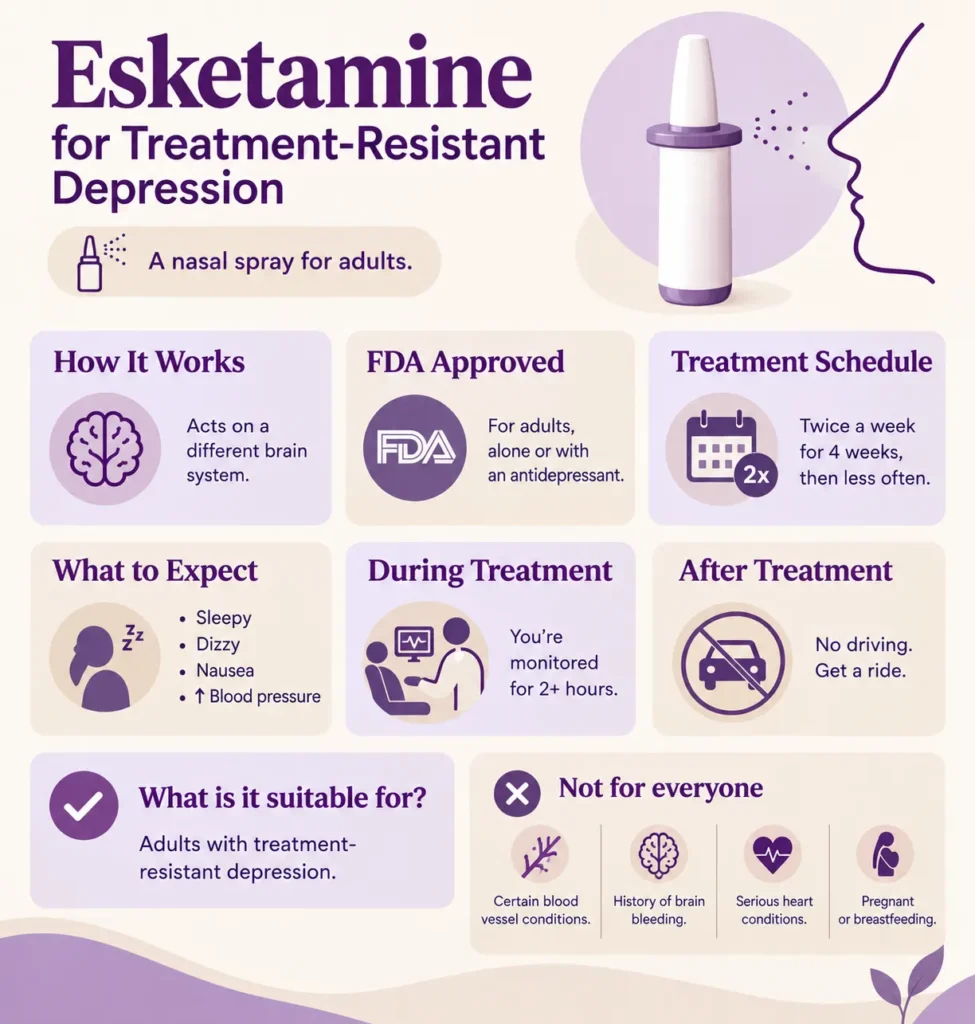
Esketamine for treatment-resistant depression is a nasal spray the FDA approved for adults. Current FDA labeling allows it alone or with an oral antidepressant. The spray works on a different brain system than standard antidepressants, so it may help when other medicines haven’t.
Because of its risks, you can get it only through a restricted safety program. You use the spray yourself at a certified clinic, and staff monitor you, including your blood pressure, for at least two hours afterward. At first, treatment is usually twice a week for four weeks, then less often.
You may feel sleepy, dizzy, or nauseated, and your blood pressure may rise. Some people also feel disconnected from themselves for a short time. Don’t drive or operate machinery until the next day after a restful sleep, and arrange a ride home.
It isn’t safe for everyone. Don’t take it if you have certain blood vessel conditions or a history of bleeding in the brain, and tell your psychiatrist about any heart attack, stroke, heart failure, brain injury, or substance use. It can harm an unborn baby, and you shouldn’t breastfeed during treatment.
How to Help Someone with Treatment-Resistant Depression
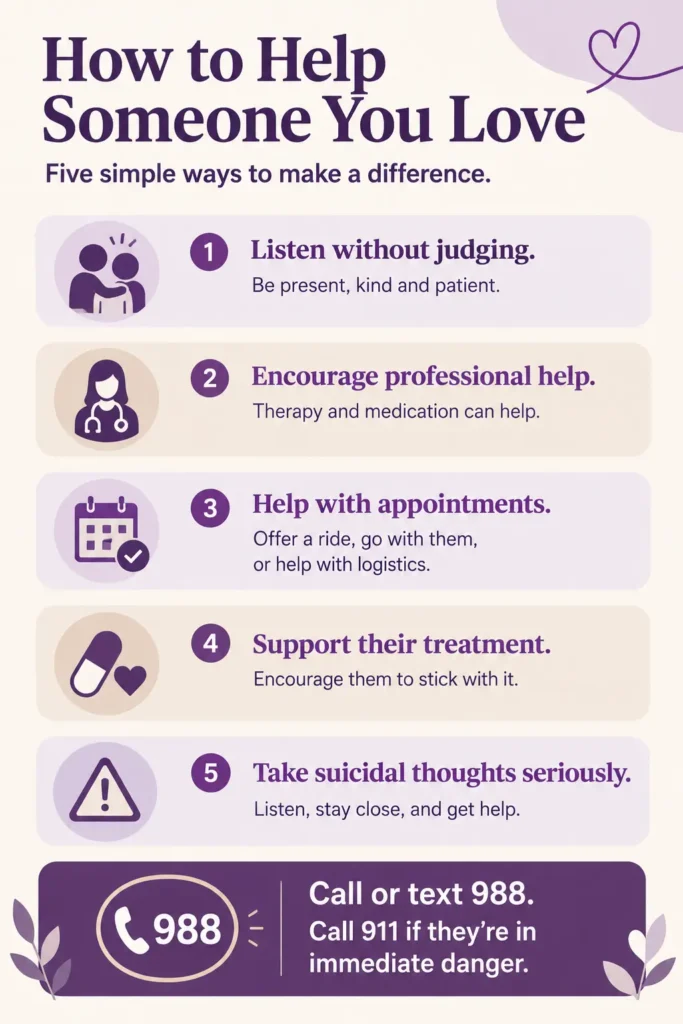
Knowing how to help someone with treatment-resistant depression starts with listening. You can:
- Listen without judging. You don’t need to fix anything. Simply being heard helps.
- Encourage professional help. Gently remind them that more options exist.
- Help with appointments. Offer to make calls, drive them, or go along.
- Support their treatment. Encourage them to take medicine as prescribed and stick with therapy.
- Take suicidal thoughts seriously. Ask directly, stay with them, and call or text 988. Call 911 if they’re in immediate danger.
The Two-Minute Habit That Makes Your Next Visit Count
Before your next appointment, jot down how you slept, your mood, and your energy each day for a week or two. Real details help your psychiatrist spot patterns faster and judge whether treatment is helping. Bring the notes, even if they’re messy.
Your psychiatrist rechecks your diagnosis, dose, and timing, then talks with you about next steps, such as a new medicine, a second medicine, therapy, TMS, or esketamine. The right path depends on your symptoms and health history.
Yes. Treatment-resistant doesn’t mean untreatable. Many people improve once they find the right combination of medicine, therapy, or a newer treatment, though it can take some trial and error. Your psychiatrist can build a plan around what you’ve already tried.
Research shows that TMS helps many people whose depression hasn’t improved with medicine, though results vary. A typical course runs five days a week for four to six weeks, and your psychiatrist can tell you whether you’re a candidate.
Standard antidepressants often take several weeks. Esketamine can work sooner for some people, and in one study symptoms improved as early as 24 hours after the first dose, though results vary. ECT can also work quickly for severe depression. TMS usually takes a few weeks.
Ask a psychiatrist who focuses on treatment-resistant depression for a second opinion. You can also ask your current doctor for a referral. Bring your medicine’s history, doses, and side effects, so the new psychiatrist doesn’t repeat what hasn’t worked.
Treatment-Resistant Depression Isn’t the End of the Road
Two antidepressants didn’t work. That doesn’t mean nothing will happen. A new medication plan, therapy, TMS, or esketamine may bring the relief you’ve been missing. If you’re still struggling despite treatment, talking with a mental health professional can help you understand your options. At Beautiful Minds in Frisco, Texas, patients in the Dallas Fort Worth area can discuss the next steps in person or through telehealth. Call (972) 668-3109 or request an appointment.
Disclaimer: This content is for informational and educational purposes only. It is not a substitute for professional mental health advice, diagnosis, or treatment. If you are in crisis, call or text 988 for the Suicide and Crisis Lifeline or call 911 in an emergency.