Postpartum Post Traumatic Stress Disorder: What Frisco Moms Don’t Know They’re Allowed to Feel
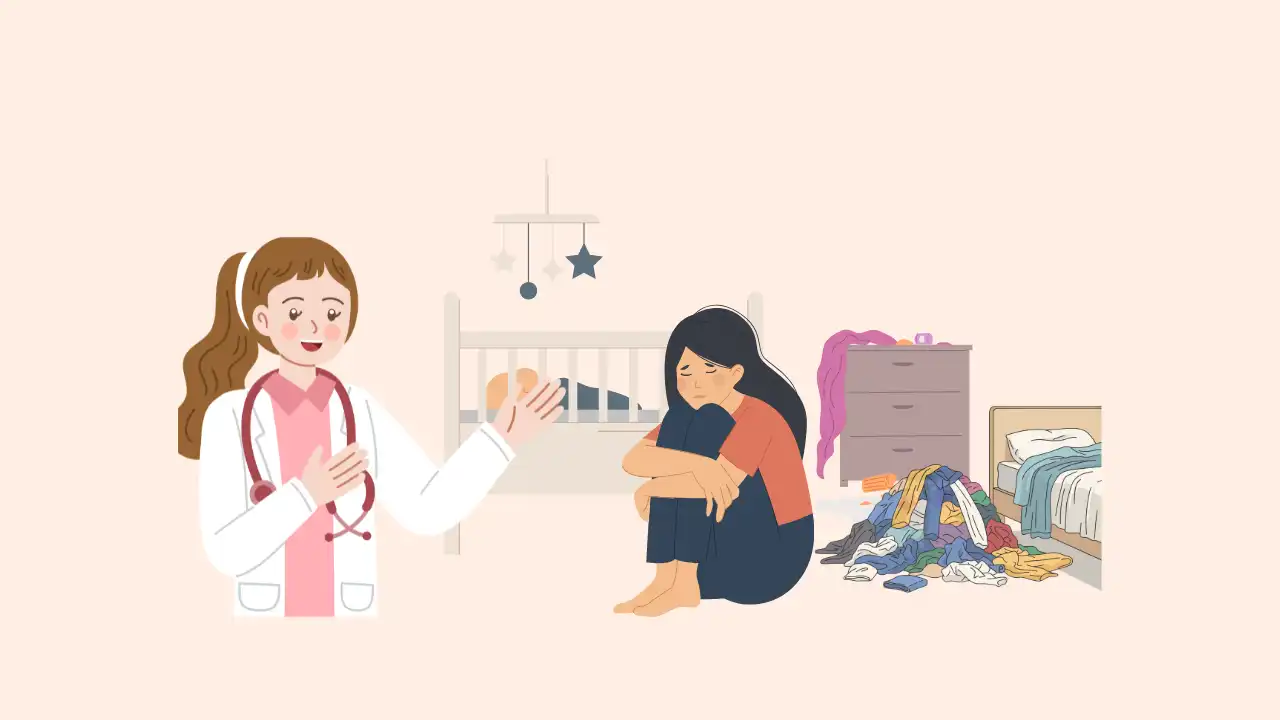
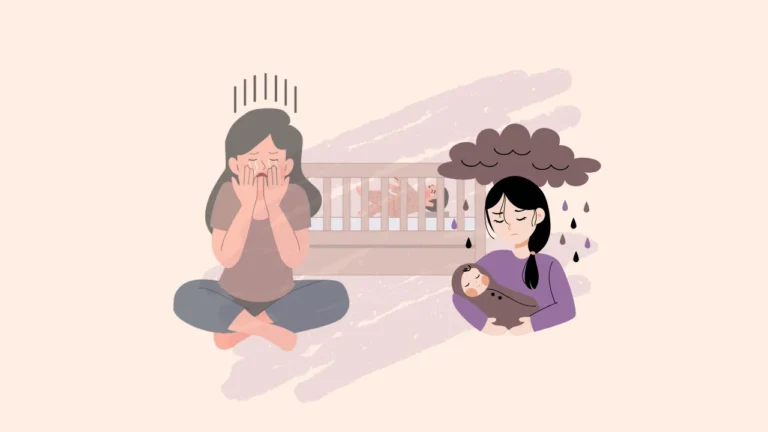
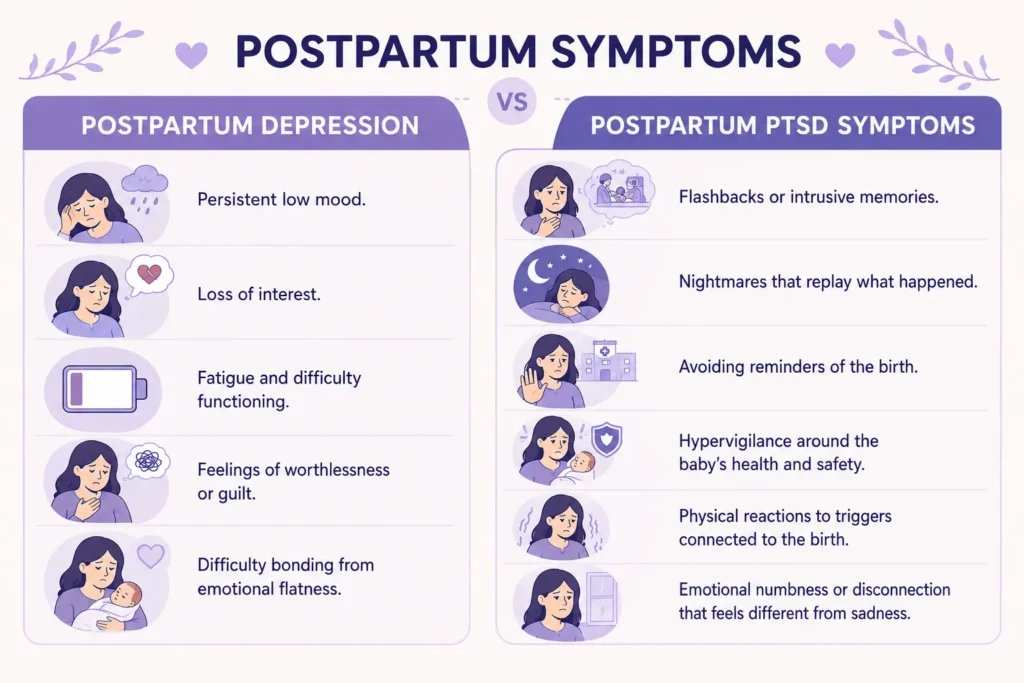
Nobody hands you a pamphlet at discharge that says your birth experience might leave you with postpartum post traumatic stress disorder. Nobody tells you that the flashbacks, the hypervigilance, flinching when someone mentions labor, or your chest tightening when you try to talk about it, all of that has a name.
And more importantly, nobody tells you that what you went through was real, that your response to it makes complete sense, and that you are allowed to feel exactly the way you feel.
A lot of Frisco moms are sitting with this right now without knowing what to call it. This blog is for them.
Key Takeaway:
- What postpartum post traumatic stress disorder is and how it differs from postpartum depression
- What a traumatic birth experience looks like and why it does not have to be a near-death situation to count
- What postpartum PTSD symptoms show up most often and why they get missed
- What postpartum OCD symptoms look like when they arrive alongside birth trauma
- What birth trauma therapy and birth trauma counseling actually involve
- Where Frisco moms can find real support through therapy for new mothers and psychiatric care
What Postpartum Post Traumatic Stress Disorder Actually Is
Postpartum post traumatic stress disorder is a real clinical condition that develops after a birth experience the mother perceived as traumatic, frightening, or completely out of her control. The key word there is perceived. It does not matter whether anyone else in the room thought the birth went fine. What really matters is how the mother lived through it. Some women went into that delivery room and walked out traumatized. Fear, helplessness, pain nobody touched, staff who ignored them, or truly thinking they or their baby might die, that is what birth looked like for them.
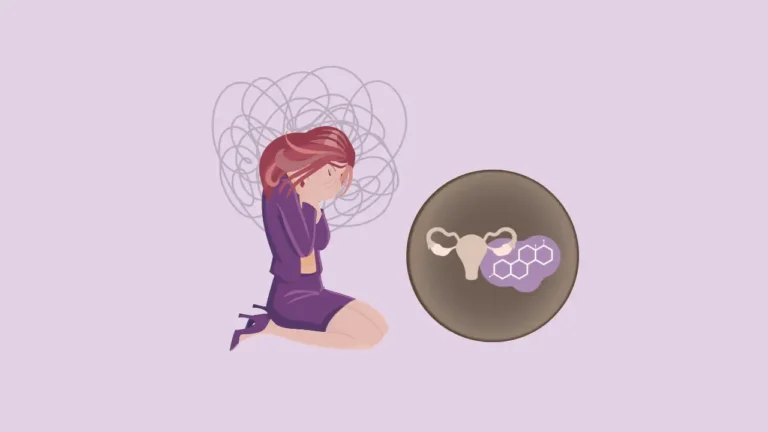
PTSD after childbirth is not about being dramatic or ungrateful for a healthy baby. It is a neurological response to an experience the brain filed under threat. The fact that a baby came out alive does not override what the mother’s nervous system went through to get there.
The American Psychological Association cites research showing that somewhere between three and seventeen percent of women develop PTSD after childbirth. That number climbs higher for women who had complicated deliveries, emergency interventions, or a previous trauma history. Behind those percentages sit a huge number of women who are currently struggling with symptoms they never connected back to their birth.
What Counts as a Traumatic Birth Experience
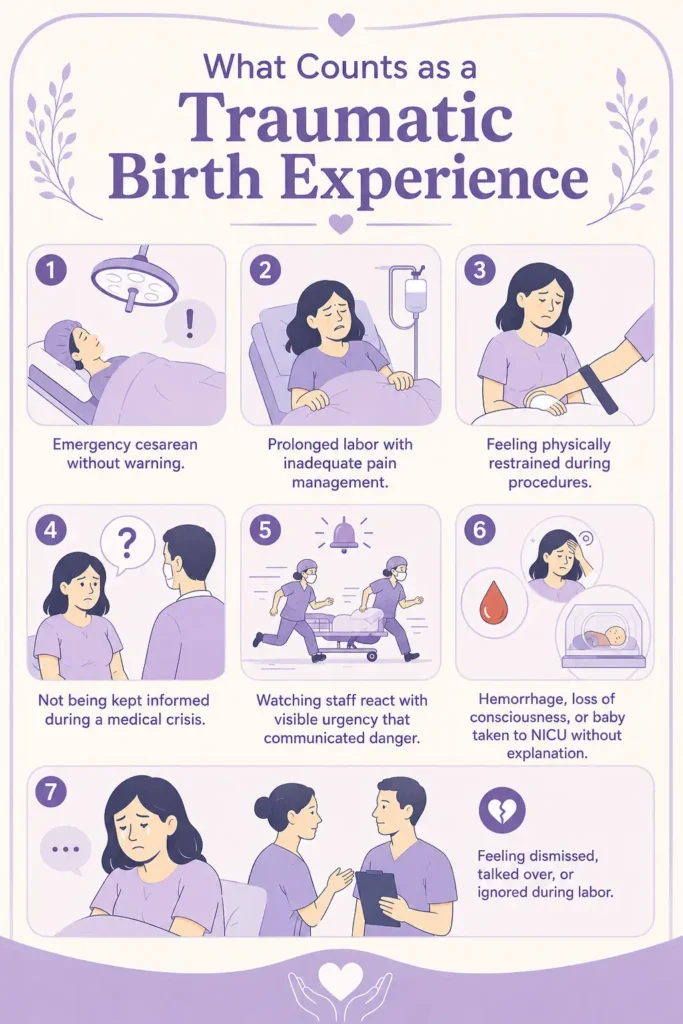
A traumatic birth experience does not require a specific level of medical severity to be valid. Women develop postpartum post traumatic stress disorder after births that looked perfectly fine on paper but completely broke them emotionally, and after births that were genuinely dangerous by every real measure.
Certain experiences come up again and again when women talk about traumatic births. A C-section that hit without any warning beforehand shakes a person deeply. Laboring for a long time with pain that nobody addressed properly wears a woman down in a different way. Some felt held down against their will during procedures. Others said nobody talked to them or kept them in the loop while things got serious.
Seeing the medical staff suddenly kick into high gear told them loud and clear that something was wrong. Blacking out, bleeding heavily, or watching staff take their baby to the NICU without a word made everything so much harder to carry.
Feeling dismissed, talked over, or ignored during labor counts too, and most women never give themselves permission to call it trauma. Birth trauma does not always come from a medical emergency. Sometimes how a woman got treated as a person during her most vulnerable moment is enough.
If you walked away from your birth feeling shaken rather than joyful, that feeling is information. It deserves attention rather than being pushed aside because everyone around you is focused on the baby.
What Postpartum PTSD Symptoms Actually Look Like
Postpartum PTSD symptoms often get missed because they do not look like what most people expect from a new mother. People expect tears and sadness. What they do not expect is a mother who seems fine on the outside but is quietly avoiding everything that reminds her of the birth.
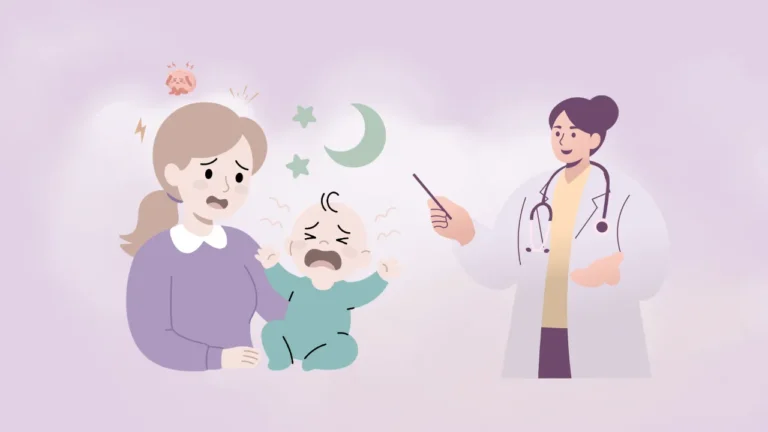
Postpartum PTSD symptoms include intrusive memories or flashbacks of the birth that arrive without warning. Nightmares that replay exactly what happened are one of them. Certain triggers, a hospital smell, a sound, a phrase from labor, can set off a strong physical reaction. Feeling disconnected and numb toward the baby is another symptom, and the guilt that comes with it hits hard. Watching the baby’s breathing and sleep with an intensity that goes well past regular new parent concern is another clear sign.
Anxiety after childbirth that keeps replaying the birth, avoiding triggers, and staying on constant alert is not the same as regular new parent worry. That distinction matters for getting the right help. Postpartum mental health awareness exists partly because not every struggling mother looks like a postpartum depression case. The ones who do not fit that picture usually wait the longest to get any support.
Postpartum OCD Symptoms and How They Overlap
Postpartum OCD symptoms deserve their own conversation. They show up alongside postpartum PTSD more often than people realize, and both mothers and their providers constantly get them wrong.
Postpartum OCD symptoms most commonly involve intrusive thoughts about harm coming to the baby. These thoughts are ego dystonic, meaning they feel completely opposite to what the mother actually wants. A mother with postpartum OCD does not want to harm her baby. She is horrified by the thoughts and works hard to suppress them or avoid situations that trigger them. The thoughts are a symptom, not a reflection of her character or her feelings toward her child.
According to Postpartum Support International, postpartum OCD hits roughly three to five percent of new mothers, yet it stays massively undertreated. Mothers stay quiet about the intrusive thoughts because the fear of what happens next stops them cold. They worry that telling someone means losing their baby, and that belief keeps so many of them from ever asking for help. Getting proper mental health support does not lead to that outcome.
Postpartum OCD symptoms and postpartum PTSD symptoms can occur together, and both respond well to the right treatment. Getting an accurate picture of what is present is what makes that treatment actually work.
Birth Trauma Therapy and What It Actually Involves
Birth trauma therapy is not about reliving the experience until you can tolerate it. That misunderstanding keeps a lot of women from seeking help because the last thing they want to do is go back through what happened.
Good birth trauma therapy meets you where you are. It works at a pace that feels manageable rather than overwhelming. A few approaches actually have strong evidence behind them for birth trauma specifically. EMDR helps process traumatic memories without making the mother sit and retell everything out loud in detail. Cognitive processing therapy focuses on what the trauma now means to her rather than picking apart exactly what happened. Somatic approaches go after the way trauma sits in the body itself, not just in her thoughts.
Birth trauma counseling also addresses the grief that often comes with a traumatic birth experience. Many women grieve the birth they did not get, the calm and connected experience they had imagined, and that grief is real and valid even when the outcome was a healthy baby.
Therapy for new mothers takes into account the specific context of early motherhood. Sleep deprivation, hormonal shifts, breastfeeding challenges, identity changes, and relationship stress all sit alongside the trauma, and a good therapist accounts for all of it rather than treating the PTSD in isolation.
Postpartum Mental Health Awareness and Why It Matters
Postpartum mental health awareness in the medical community has improved significantly over the past decade, but real gaps remain. Most postpartum screening focuses on depression through tools like the Edinburgh Postnatal Depression Scale, which does not capture PTSD or OCD symptoms reliably.
Screening negative for postpartum depression often gets a woman sent home with reassurance, but that screen misses a lot. She could be carrying significant postpartum PTSD symptoms or postpartum OCD symptoms that her provider never even looked for. Postpartum mental health awareness at a broader level means understanding that the conditions a new mother can develop go well beyond sadness and that different symptoms require genuinely different approaches.
Asking about the birth experience specifically, how a mother felt during it, whether she felt heard, whether she has been having intrusive memories or avoiding things that remind her of it, opens a different kind of conversation than a standard depression screen. That conversation is where postpartum post traumatic stress disorder actually gets identified.
A psychiatrist in Frisco TX who understands the full scope of postpartum mental health conditions can make the difference between a mother who gets the right support early and one who spends months struggling without knowing why.
Frequently Asked Questions
Therapy gives new mothers a space to say what they actually feel without having to protect anyone around them. It helps them process what happened, understand their symptoms, and start feeling like themselves again without carrying everything alone.
PTSD after childbirth responds well to EMDR, cognitive processing therapy, and somatic approaches. Each one works differently but targets the same thing, helping a woman process what happened so it stops running her daily life from the background.
Name what happened without downplaying it. Find a therapist who actually understands birth trauma. Stop waiting until things get bad enough to deserve help. Talk to women who get it. Healing starts when you stop pretending the birth was fine.
Flashbacks, nightmares, avoiding anything connected to the birth, feeling numb or disconnected from your baby, flinching at hospital smells or sounds, and staying on constant high alert even when nothing is wrong are all common signs of postpartum PTSD.
Getting Support at Beautiful Minds Frisco TX
Beautiful Minds Frisco TX works with new and recent mothers across the DFW area who are dealing with postpartum post traumatic stress disorder, birth trauma, postpartum OCD symptoms, and the anxiety after childbirth that does not ease on its own.
A psychiatrist in Frisco TX at Beautiful Minds understands that postpartum mental health conditions require more than general support. Evaluations look at the full picture including birth history, current symptoms, sleep, and anything else that is part of what you are carrying right now. Both telehealth and in-person appointments are available, which matters when you are a new mother trying to figure out how to fit one more thing into a day that already feels impossible.
Therapy for new mothers at Beautiful Minds approaches birth trauma with the care and the pace that it deserves. You do not have to act like you are okay just because the people around you need you to be. Saying it was hard is completely okay. Still being affected by it right now is completely okay too. And you are allowed to get real help.
Disclaimer: This content is for informational and educational purposes only. It is not a substitute for professional mental health advice, diagnosis, or treatment. If you are in crisis, call or text 988 for the Suicide and Crisis Lifeline.