
Treatment Resistant Schizophrenia & Psychosis
Take Charge of Mental Health - Beautiful Minds for Treatment Resistant Psychosis
Psychosis is a clinical condition involving hallucinations, delusions, thought disturbances, and challenges in perceiving reality accurately. While many individuals respond well to standard antipsychotic treatment, some continue to experience significant symptoms despite multiple medication trials. This condition is known as Treatment-Resistant Psychosis (TRP) and treatment resistant schizophrenia is one of its most complex and commonly diagnosed forms.
Treatment-resistant psychosis requires specialized assessment, structured treatment planning, and advanced care approaches that go beyond traditional first-line medications. Our clinic, Beautiful Minds Psychiatric in Frisco, serving the greater Dallas-Fort Worth area, provides comprehensive, evidence-based strategies to help individuals reduce symptoms, improve daily functioning, and regain quality of life.
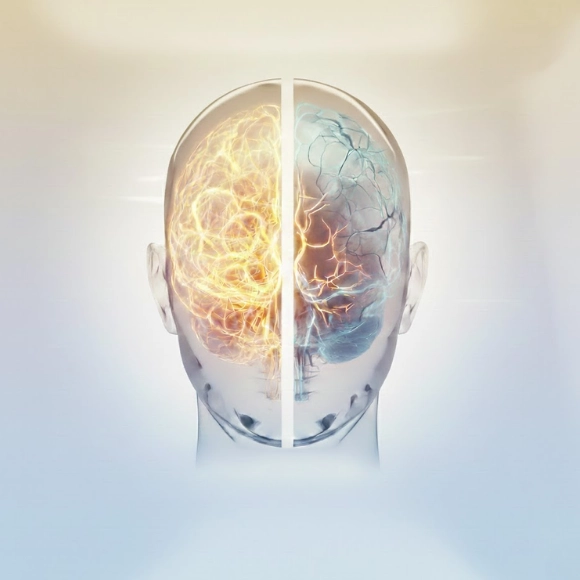
What Is Treatment Resistant Psychosis?
Treatment Resistant Psychosis is clinically defined when an individual has persistent hallucinations, delusions, disorganized thinking, or negative symptoms after trying at least two different antipsychotic medications, at appropriate doses, for an adequate duration, and with confirmed treatment adherence.
Treatment resistant schizophrenia is a prime example of this condition, where standard antipsychotic regimens fail to bring adequate symptom relief. TRP is not hopeless and does not mean symptoms cannot improve, it simply means the condition requires a more advanced, targeted treatment approach. Our Frisco-based psychiatrists are experienced in guiding patients through exactly this journey toward schizophrenia recovery.
Symptoms of Treatment Resistant Psychosis
Our care includes support for individuals experiencing the following persistent symptoms
1. Hallucinations
Hearing voices, seeing things that are not present, or experiencing sensory disturbances.
2. Delusions
Strongly held beliefs not aligned with reality (paranoia, false beliefs of reference, grandiosity, or persecution).
3. Thought Disorganization
Difficulty organizing thoughts, speaking coherently, or following conversations.
4. Negative Symptoms
Negative symptoms of schizophrenia treatment is a critical focus area at Beautiful Minds, as these symptoms often persist even when hallucinations improve. They may include:
- Reduced emotional expression
- Lack of motivation
- Social withdrawal
- Diminished speech or interest
Addressing the negative symptoms of schizophrenia through treatment requires specialized planning and is a cornerstone of our approach for patients across Frisco and Dallas-Fort Worth.
5. Cognitive Difficulties
Impaired memory, attention, or processing speed that affects daily functioning. Each of these symptom categories has specific, evidence-based strategies for treatment.
Comprehensive Schizophrenia Assessment & Diagnostic Evaluation
Before determining that psychosis is treatment-resistant, our team conducts a thorough schizophrenia assessment to confirm the diagnosis and rule out all contributing factors. This individualized evaluation is available at our Frisco clinic and via telehealth across Texas.
Accurate Diagnosis
Psychosis can occur in several conditions. A detailed schizophrenia assessment helps us identify the exact diagnosis, which may include:
- Schizophrenia
- Schizoaffective disorder
- Bipolar disorder with psychotic features
- Severe depression with psychosis
- Substance-induced psychosis
- Medical or neurological conditions
Our team performs a detailed diagnostic assessment to ensure each treatment plan is accurate and individualized.
Medication History Review
We examine previous antipsychotics used, doses and duration, side effects, response patterns, and adherence consistency.
This helps determine the most effective next steps toward schizophrenia recovery.
Medical and Neurological Screening
Untreated medical conditions can complicate psychosis.
We assess for thyroid disorders, autoimmune issues, neurological abnormalities, vitamin deficiencies, substance-related causes, and sleep disturbances.
Ensuring a whole-body evaluation improves treatment outcomes.
Psychosocial and Environmental Factors
Stressors, trauma history, substance use, housing instability, or family dynamics can influence symptom severity.
Our approach includes understanding the full life context of the patient.
For individuals managing bipolar disorder with psychotic features, this contextual evaluation is especially critical in building an effective care plan.
When to Seek Help


Professional evaluation is recommended when:
- Symptoms remain despite multiple medications
- Delusions or hallucinations interfere with daily functioning
- Side effects prevent consistent medication use
- Symptoms worsen instead of improving
- Family members notice major behavioral changes
- There has been a recent hospitalization or crisis
Early intervention leads to better outcomes and long-term stability. Whether you are located in Frisco, or anywhere across the Dallas-Fort Worth metroplex, our team is here to help. Virtual telehealth evaluations are also available for patients throughout Texas.
Our Goal
Our goal is to provide a clear pathway toward schizophrenia recovery, symptom improvement, and meaningful life participation, even when psychosis has been difficult to treat in the past.
Guided by Dr. Humera Chowdhary and Dr. Naveed Khokhar, Beautiful Minds in Frisco, TX is committed to delivering advanced, compassionate psychiatric care for patients dealing with treatment resistant schizophrenia and related psychotic conditions across the Dallas-Fort Worth area.
We believe every individual deserves access to advanced, compassionate, and effective care.
Begin Your Journey
Request an appointment at our Frisco clinic and our team will help you find your best treatment options. Virtual evaluations are available for patients across Texas.