What Are the Best Medication for Postpartum Depression and Anxiety
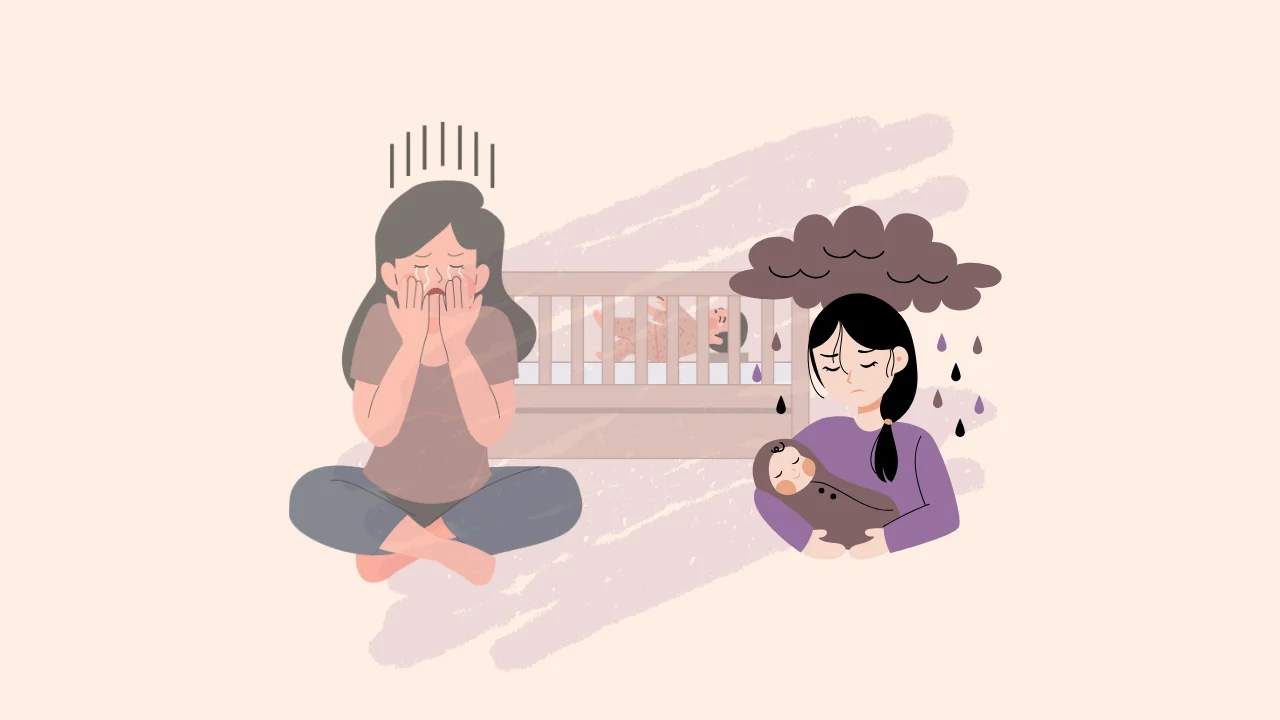
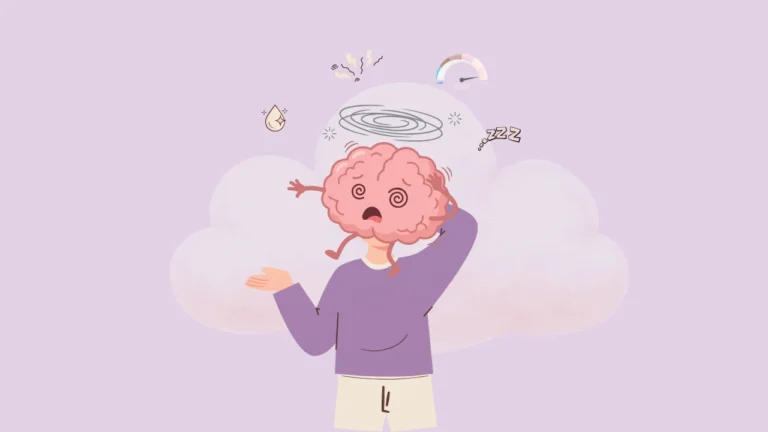
You just had a baby. Everyone around you is waiting for you to grow. And instead, you are lying awake at 3am with your heart racing, your thoughts spiraling, and a hollow feeling in your chest that you cannot explain and are too afraid to name out loud.
This is not a weakness, not an ingratitude. This is a medical condition, and it has real, effective treatment options that most new mothers never get talked about clearly enough.
This blog covers everything honestly, the best medication for postpartum depression and anxiety, the therapy options that work, the natural approaches worth trying, and what to do when standard treatments are not enough.
Key takeaway:
- SSRIs like sertraline and escitalopram are common first-line medications.
- CBT works well alone or alongside medication.
- Many antidepressants are safe during breastfeeding.
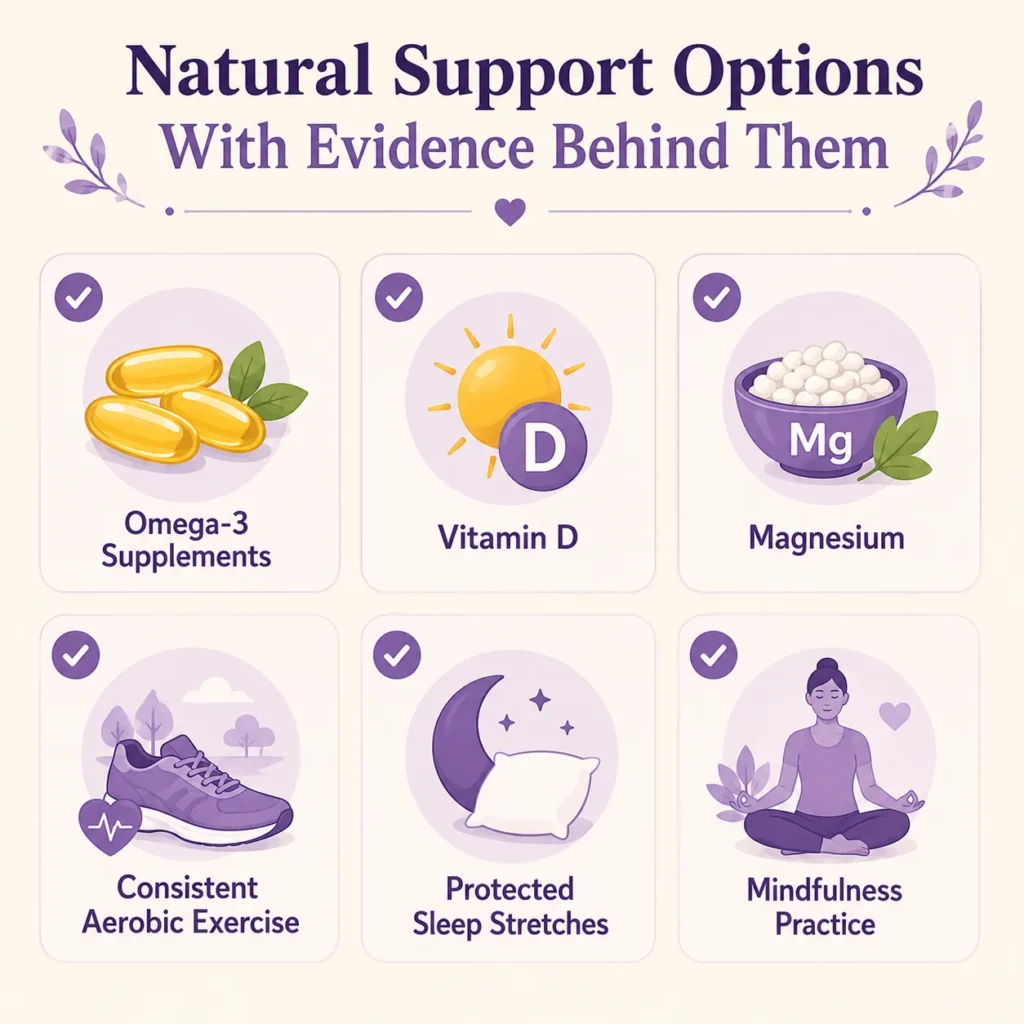
- Omega-3s, vitamin D, exercise, and sleep support recovery.
- TMS and Spravato are options when standard treatment isn’t enough.
What Is Actually Happening in Your Body
Before getting into treatment, it helps to understand why this happens at all.
After delivery, estrogen and progesterone the hormones that surged throughout pregnancy drop dramatically within hours. This hormonal crash directly affects the brain’s mood regulation system, serotonin and dopamine pathways that govern how stable, calm, and connected you feel.
For some women, the brain recovers relatively quickly. For others, the crash triggers a clinical mood or anxiety disorder that does not resolve on its own, and that is where proper treatment becomes not just helpful but necessary.
Symptoms of Postpartum Anxiety: What to Watch For
Most people know how to watch for sadness after birth. Fewer people know that symptoms of postpartum anxiety are equally common and often more distressing.
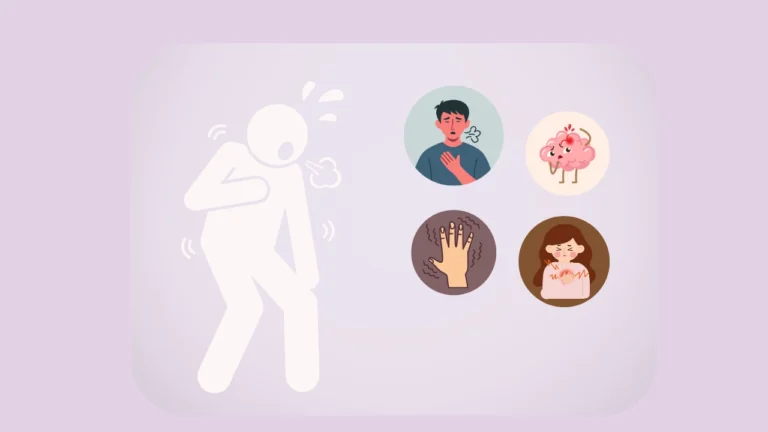
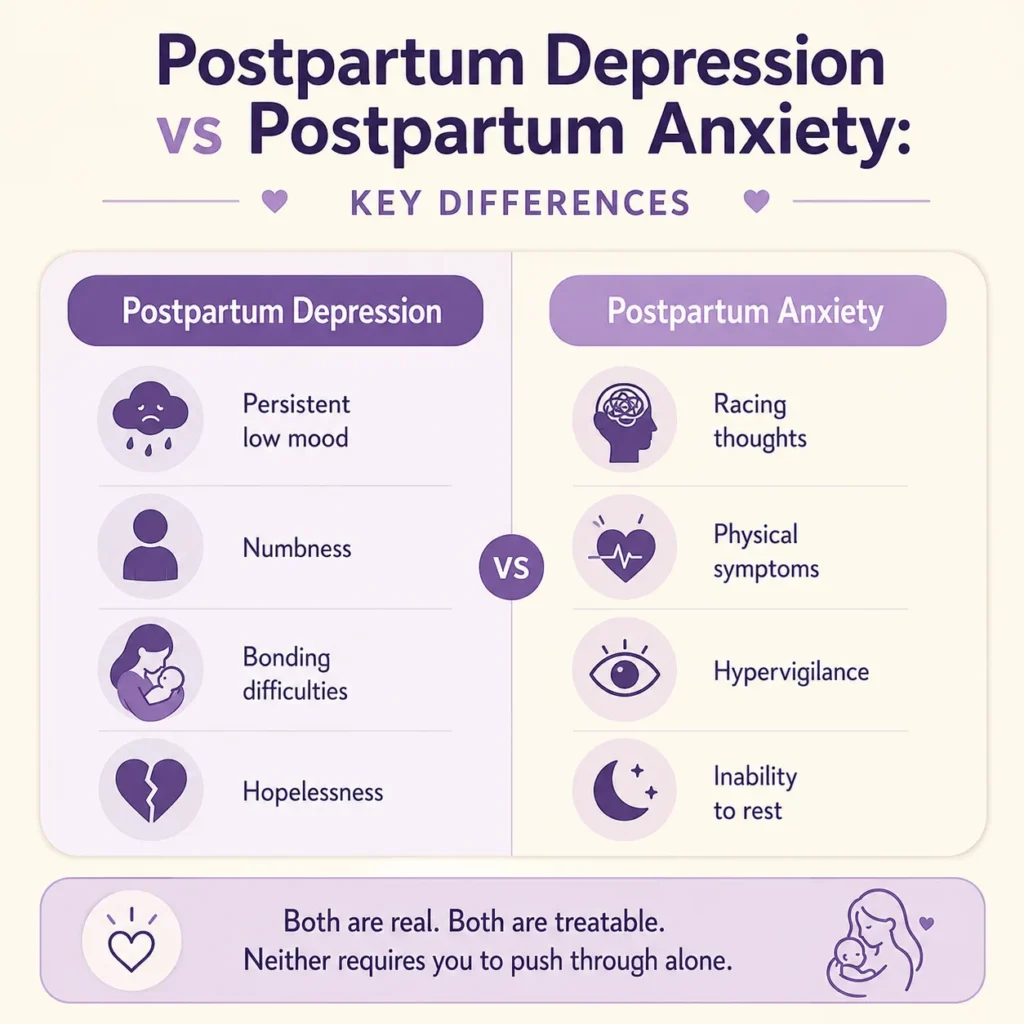
Postpartum anxiety looks like a racing heart that will not settle. Intrusive worst-case scenario thoughts that will not stop. An inability to sleep even when the baby is sleeping because your brain refuses to turn off. A constant, consuming feeling that something terrible is about to happen.
It can exist alongside postpartum depression or completely independently of it. It responds very well to treatment when identified properly rather than dismissed as normal new parent nerves.
Cognitive Behavioral Therapy for Postpartum Depression: The Foundation of Treatment
Before jumping to medication, know that cognitive behavioral therapy postpartum depression stands as a first-line treatment for mild to moderate presentations and one of the most effective tools available regardless of severity.
What CBT Actually Does
CBT for postpartum depression targets the thought patterns that depression and anxiety amplify. The guilt that tells you are a bad mother. The catastrophizing that turns every small mistake into evidence of failure. The all-or-nothing thinking that makes recovery feel impossible.
A trained therapist works with you to identify these patterns, challenge them, and replace them with responses that are more accurate and more sustainable.
Why It Works So Well Postpartum
The postpartum period brings identity shifts, relationship changes, sleep deprivation, and loss of autonomy that CBT addresses directly. It gives you tools that work in real time, even in the middle of a 3am feed when your thoughts are at their worst.
Postpartum depression counseling built around CBT is available both in person and via telehealth, which matters practically when you have a newborn and getting out of the house feels like a logistical mountain.
How Do You Help Someone With Postpartum Depression: A Note for Partners and Family
How do you help someone with postpartum depression is one of the most searched questions by partners and family members watching someone they love struggle after birth.
What Actually Helps
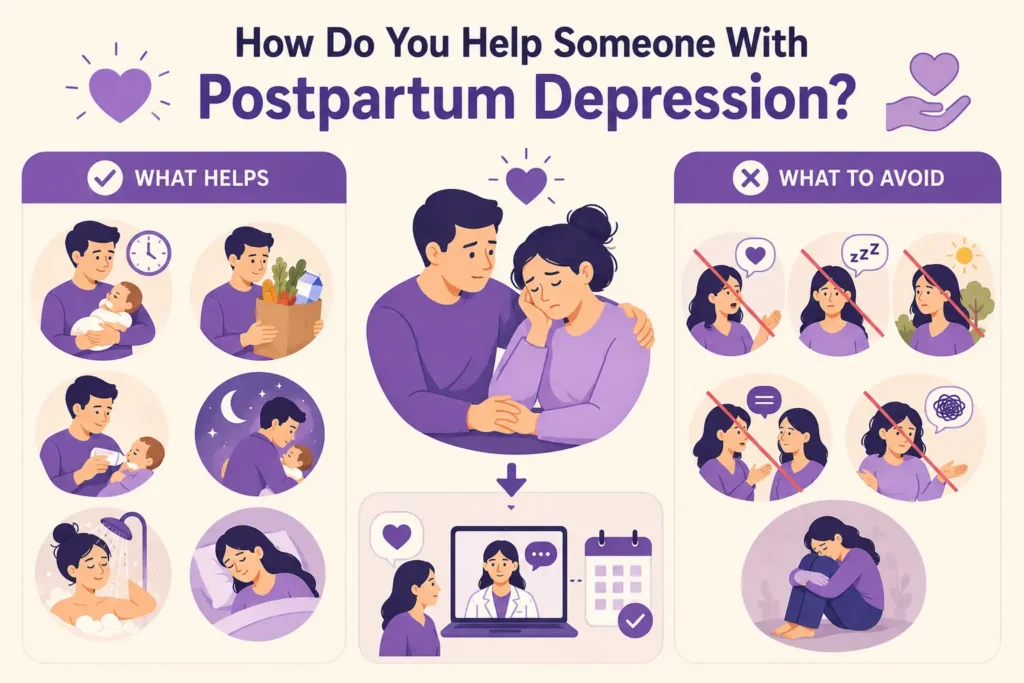
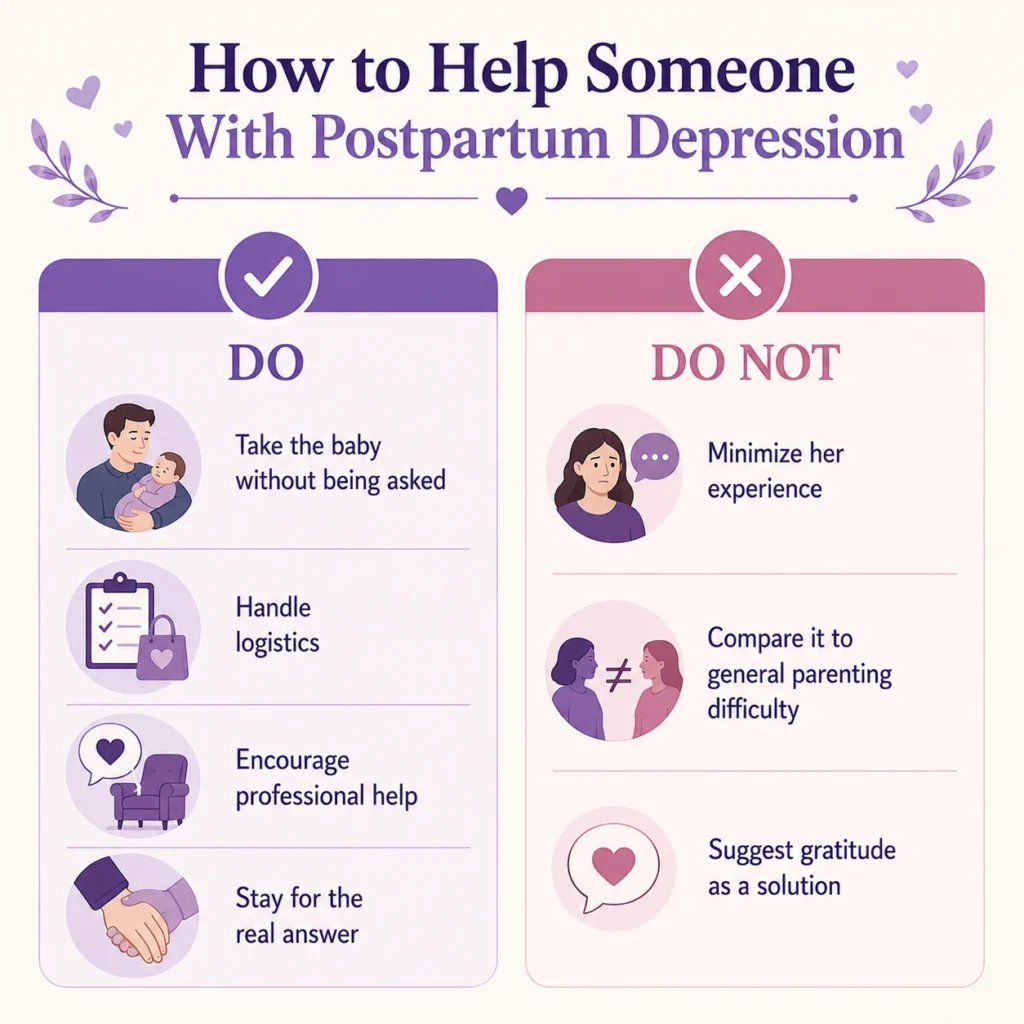
Show up practically rather than just emotionally. Take the baby for two uninterrupted hours without being asked. Handle the grocery run. Do the night feed. Create space for the mother to sleep, shower, and exist as a person rather than only as a caregiver.
What to Avoid
Avoid telling her she has so much to be grateful for, suggesting she needs more sleep or fresh air, or comparing her experience to how hard parenting is for everyone. What she needs is someone who takes the question “are you okay” seriously enough to stay for the real answer.
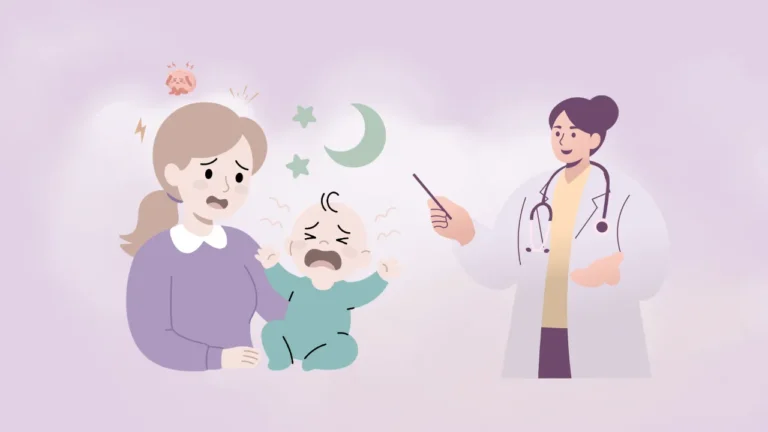
Encouraging her gently but directly to see a postpartum depression psychiatrist is one of the most helpful things a supportive person can do and offering to help her make the appointment removes a barrier that depression makes genuinely difficult to overcome alone.
Best Medication for Postpartum Depression and Anxiety: What Providers Actually Prescribe
This is the section most people are here for, and it deserves a direct and honest answer.
SSRIs: The Standard First Line
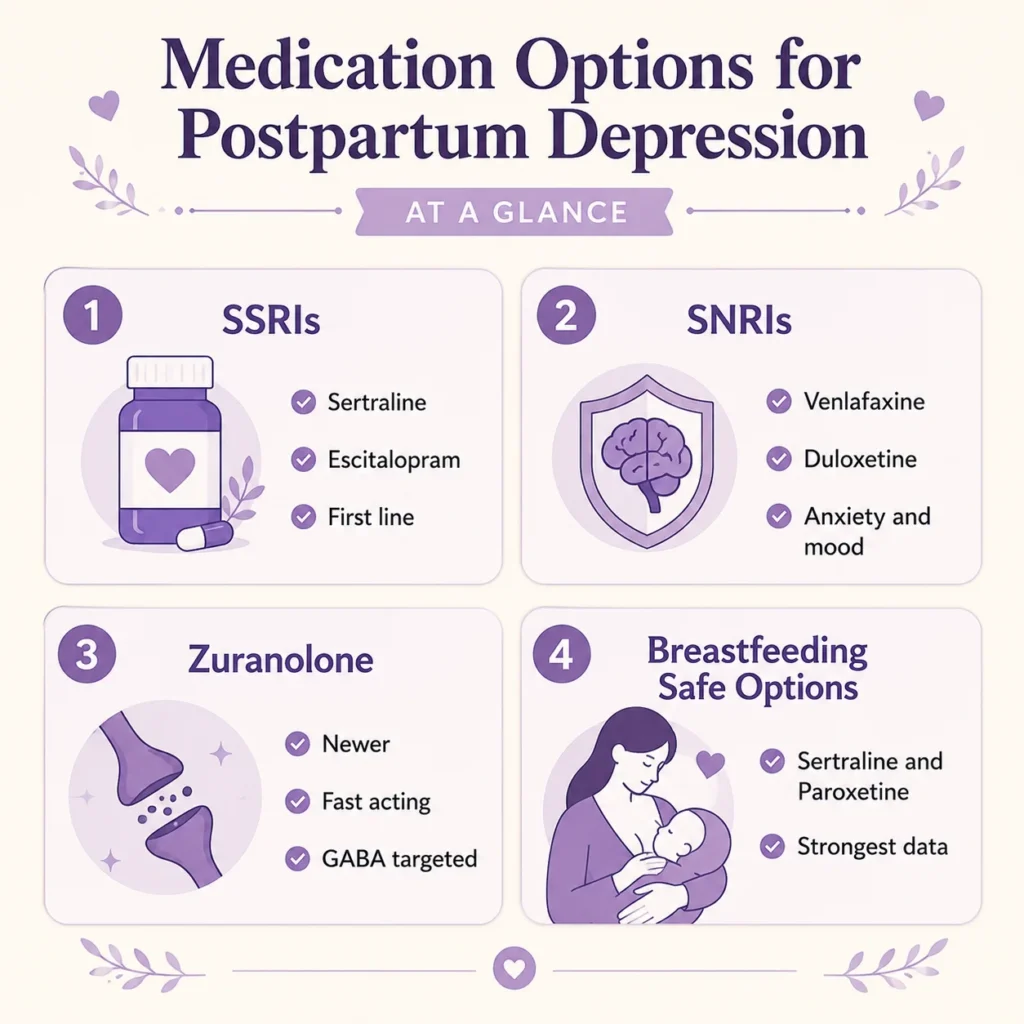
The best medication for postpartum depression and anxiety for most women starts with selective serotonin reuptake inhibitors SSRIs. Sertraline and escitalopram are the most prescribed because they have strong efficacy data, a manageable side effect profile, and the most reassuring safety record for breastfeeding mothers.
Postpartum anxiety medication management often uses the same SSRIs since they address both depression and anxiety through the same mechanism. For women whose anxiety is more acute, short-term use of other agents may be considered alongside an SSRI while it builds to therapeutic levels.
SNRIs
For women whose postpartum presentation includes both mood and anxiety symptoms that have not responded adequately to an SSRI, venlafaxine and duloxetine are common next steps. They work on both serotonin and norepinephrine pathways, which can make them more effective for certain presentations.
Zuranolone: The Newer Option
Zuranolone is a newer FDA-approved medication specifically for postpartum depression, the first oral treatment approved specifically for this condition rather than general depression. It works through a different mechanism, targeting GABA receptors rather than serotonin, and is taken as a short course rather than ongoing daily medication. It acts faster than traditional antidepressants, with many women noticing improvement within days.
A Note on Medication and Breastfeeding
Postpartum depression and breastfeeding medication concerns keep many women from getting treatment they genuinely need. The clinical reality is that sertraline and paroxetine have the most robust safety data for nursing mothers and are considered compatible with breastfeeding by most perinatal psychiatrists.
The risk of untreated postpartum depression to the mother’s recovery, to the infant-mother bond, and to the baby’s development is clinically meaningful and, in most cases, outweighs the minimal medication exposure through breast milk. A perinatal psychiatrist near me can walk you through the specific risk-benefit picture for your individual situation.
Postpartum Depression Natural Treatment: What the Evidence Actually Supports
Not every mother wants to start with medication, and that is a completely valid starting point if the natural approaches being used are the ones with actual evidence behind them rather than the ones that just sound appealing.
Postpartum Depression Supplements
Postpartum depression supplements with the strongest evidence base include omega-3 fatty acids, which play a direct role in brain function and mood regulation and have been studied specifically in perinatal populations. Vitamin D deficiency is a common postpartum and has a documented relationship with depression. Magnesium supports nervous system regulation and sleep quality.
These are not replacements for clinical treatment in moderate to severe cases, but they are meaningful additions to a comprehensive treatment plan and worth discussing with your provider.
Exercise
Consistent aerobic exercise has genuine antidepressant effects supported by multiple studies. The barrier postpartum is obviously exhaustion, recovery, and a newborn who needs constant attention. Even short walks have shown measurable mood benefits. The goal is consistency over intensity, and any movement is better than none.
Sleep
Fragmented postpartum sleep worsens every mental health condition. Protecting even one or two longer sleep stretches per night with a partner, family member, or hired help covering other feeds has a meaningful impact on mood stability and anxiety levels.
Postpartum Depression Holistic Treatment
Postpartum depression holistic treatment approaches work best when they sit alongside rather than replace clinical care for moderate to severe presentations. Acupuncture, mindfulness practices, structured social connection, and nutrition-focused support all have evidence behind them, and all contribute to recovery, but none of them replace the clinical evaluation that determines what level of care is needed.
When Standard Treatment Is Not Enough
Some women with postpartum depression do not respond adequately to first-line medication and therapy. This is not failure it is information that guides the next step.
Advanced treatment options including TMS therapy (Transcranial Magnetic Stimulation) and Spravato are available for postpartum depression that has not responded to standard approaches. Both are available at beautifulmindstx.com and both represent meaningful options for women who have been struggling without adequate relief from the standard treatment pathway.
Frequently Asked Questions
Postpartum anxiety is triggered by the dramatic hormonal drop after delivery. Symptoms of postpartum anxiety include a racing heart, intrusive thoughts, inability to sleep, and a constant feeling something terrible is about to happen. Treatment includes SSRIs, cognitive behavioral therapy, and lifestyle support like exercise and sleep protection.
Postpartum anxiety medication typically starts with SSRIs like sertraline or escitalopram. Cognitive behavioral therapy works alongside medication to target the thought patterns fueling the condition. For mild cases, therapy alone is often a strong first step before considering medication.
Most women on SSRIs notice improvement within two to four weeks, with fuller effects building over six to eight weeks. Advanced options like TMS or Spravato work faster for women who have not responded to standard treatment.
Yes, for most women. Sertraline and paroxetine carry the strongest safety data for nursing mothers and are considered compatible with breastfeeding by most perinatal psychiatrists. A postpartum depression psychiatrist will weigh your specific situation and help you make the most informed decision for both you and your baby.
Research consistently shows that the combination of cognitive behavioral therapy postpartum depression and medication produces better outcomes than either alone for moderate to severe presentations. For mild cases, therapy alone is often sufficient as a first step.
Finding a Postpartum Depression Psychiatrist in Frisco
Finding a postpartum depression psychiatrist who understands the specific clinical landscape of the perinatal period the hormonal picture, the breastfeeding considerations, the identity and relationship shifts make a real difference in how well treatment fits the actual situation.
A perinatal psychiatrist near me searches in the Frisco and DFW area should lead you to a provider who takes a thorough history, explains options clearly, and builds a plan around your specific presentation rather than applying a generic protocol.
At Beautiful Minds Frisco, postpartum mental health evaluations cover the full picture of depression, anxiety, OCD, birth trauma, and the conditions that tend to show up alongside them. Both telehealth and in-person appointments are available, and the team understands that getting an appointment with a newborn is genuinely hard.
Visit beautifulmindstx.com or call (972) 668-3109 to schedule your evaluation today.
Disclaimer: This content is for informational and educational purposes only. It is not a substitute for professional mental health advice, diagnosis, or treatment. If you are in crisis, call or text 988 for the Suicide and Crisis Lifeline.