Postpartum Mental Health Support: A Complete Guide
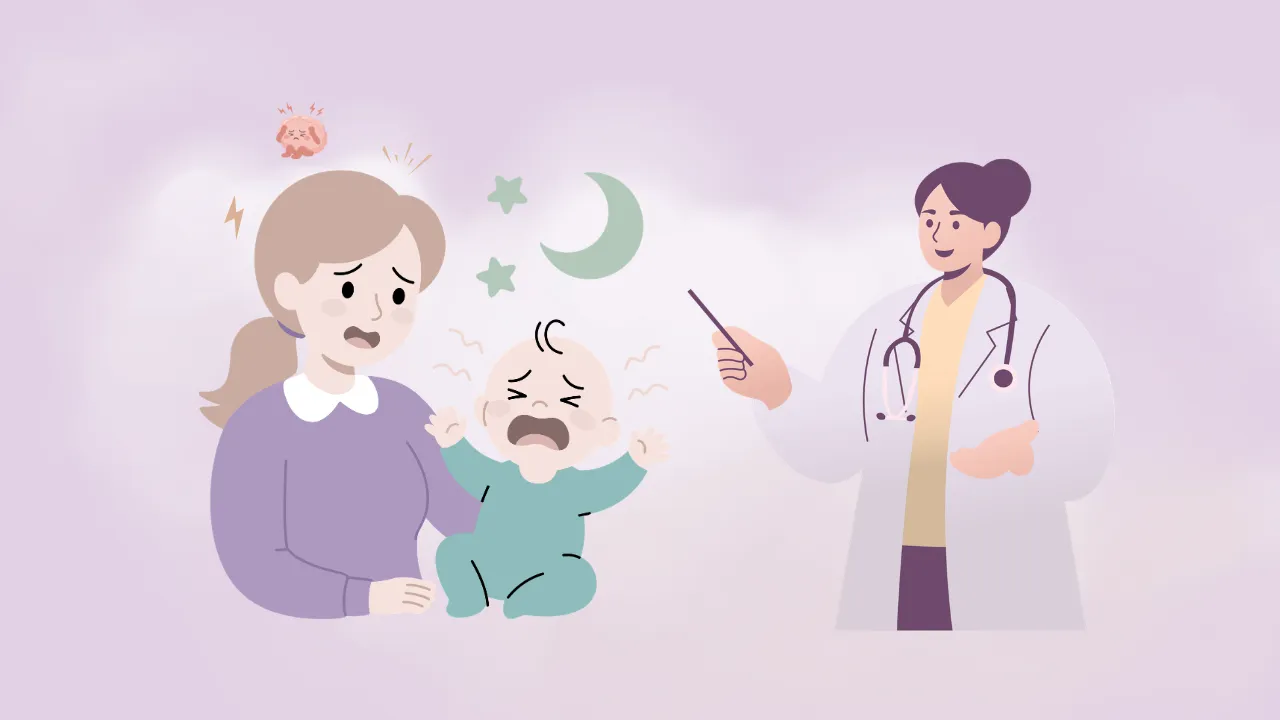
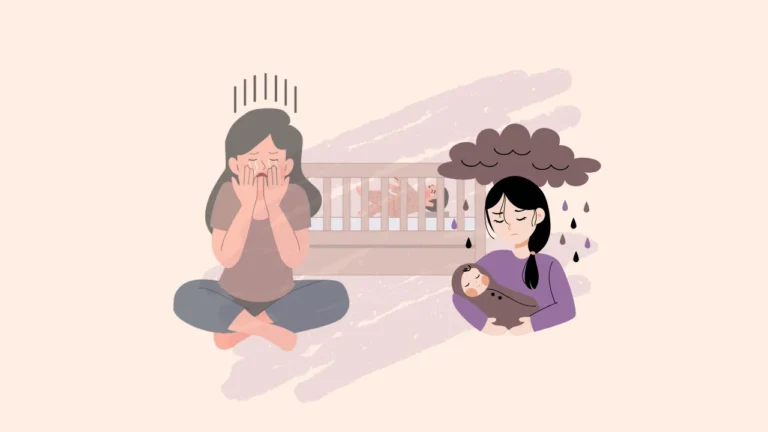
Nobody hands you a guide to what happens inside your mind after a baby arrives. The focus is almost entirely on the baby and somewhere in all of that, the mother’s mental health becomes the thing everyone assumes is fine unless she says otherwise.
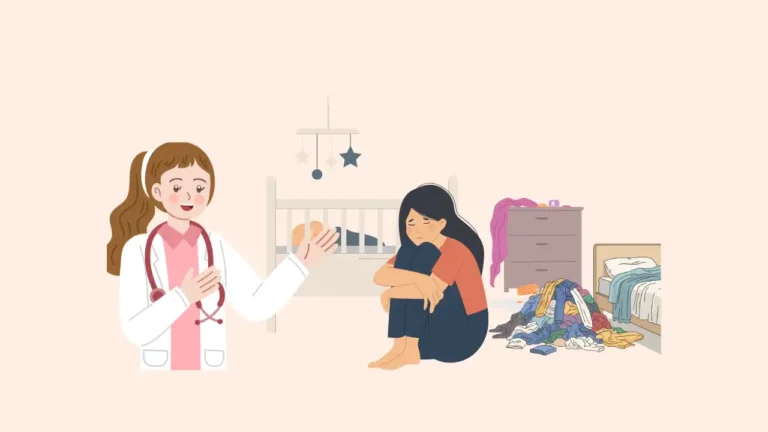
Most women do not say otherwise. They push through, perform okayness and tell themselves it will pass. And sometimes it does. But sometimes what is happening needs real postpartum mental health support not just time, but proper clinical care from someone who understands what the postpartum period does to the brain and body.
This blog covers exactly what you think about the conditions, the differences between them, the treatment options, and where to find real help in Frisco.
Key takeaway:
- Baby blues resolve within two weeks.
- Postpartum depression persists, deepens, and needs proper clinical care.
- Postpartum anxiety is just as common as depression but far less discussed.
- Postpartum OCD involves intrusive thoughts, not dangerous impulses.
- Birth trauma needs trauma-specific treatment, not standard depression care.
- Breastfeeding does not have to mean avoiding medication.
Postnatal vs Postpartum: Are They the Same Thing?
This question comes up more than you would expect, and it is worth clearing up before anything else.
Postnatal vs postpartum both terms refer to the period following childbirth. Postpartum is the term most used in the United States. Postnatal is more common in the UK and in certain academic contexts. You will see both used interchangeably when searching for information, and they refer to the same window of time and the same experiences.
Knowing this matters because it means whichever term you search, you will find the same relevant clinical information either way.
The Baby Blues Are Real, But They Are Not the Whole Story
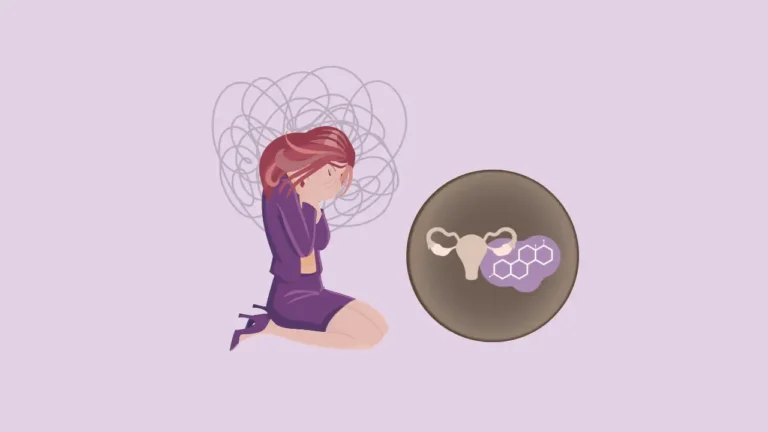
Almost every new mother experience emotional turbulence in the first days after delivery. Weepiness, mood swings, irritability, feeling completely overwhelmed these are the baby blues, driven by the dramatic hormonal drop that happens after the placenta delivers.
How Long Do Baby Blues Last?
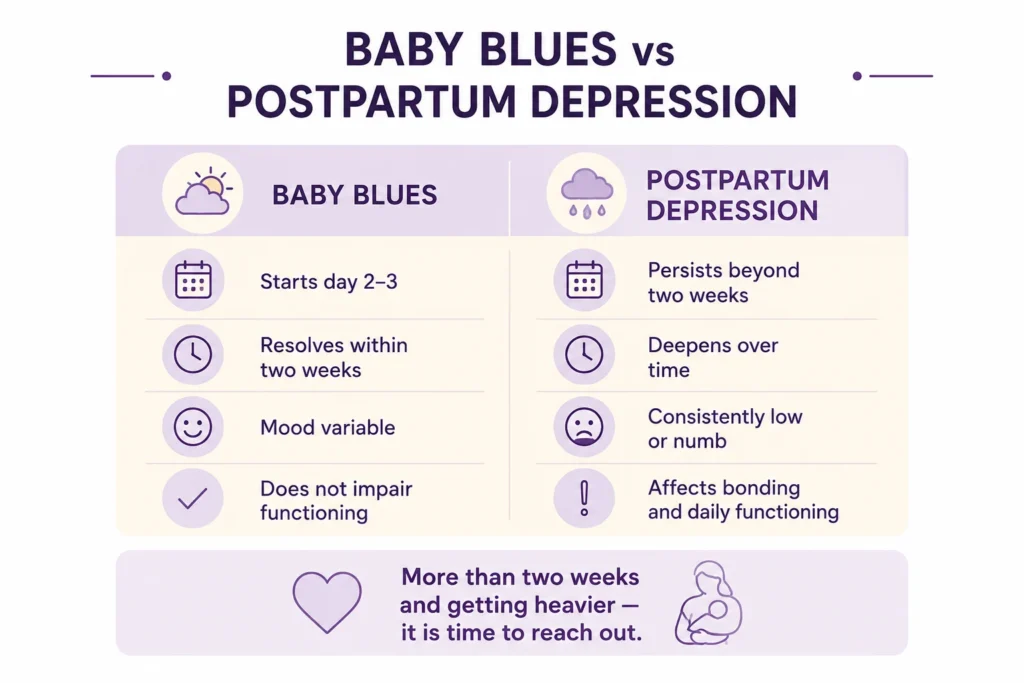
How long do baby blues last is one of the most searched postpartum questions, and the clinical answer is straightforward baby blues typically resolve within two weeks of delivery without treatment.
The Difference Between Postpartum Blues and Postpartum Depression
Understanding the difference between postpartum blues and postpartum depression is genuinely important. Post partum blues vs depression comes down to three things duration, severity, and functional impact.
Baby blues are time-limited and emotionally variable. They do not significantly impair a mother’s ability to care for her or her baby. Postpartum depression persists beyond two weeks, deepens rather than easing, and starts affecting daily functioning in meaningful ways the ability to sleep, to feel connected to the baby, to experience any relief in the day at all.
If what you are feeling has lasted beyond two weeks and is getting heavier rather than lighter, that is not baby blues anymore. That is something that deserves a proper evaluation.
Signs of Postpartum Depression That Are Easy to Miss
Signs of postpartum depression are frequently misread by the mother, by the people around her, and sometimes even by providers who are not specifically trained in perinatal mental health.
It Does Not Always Look Like Sadness
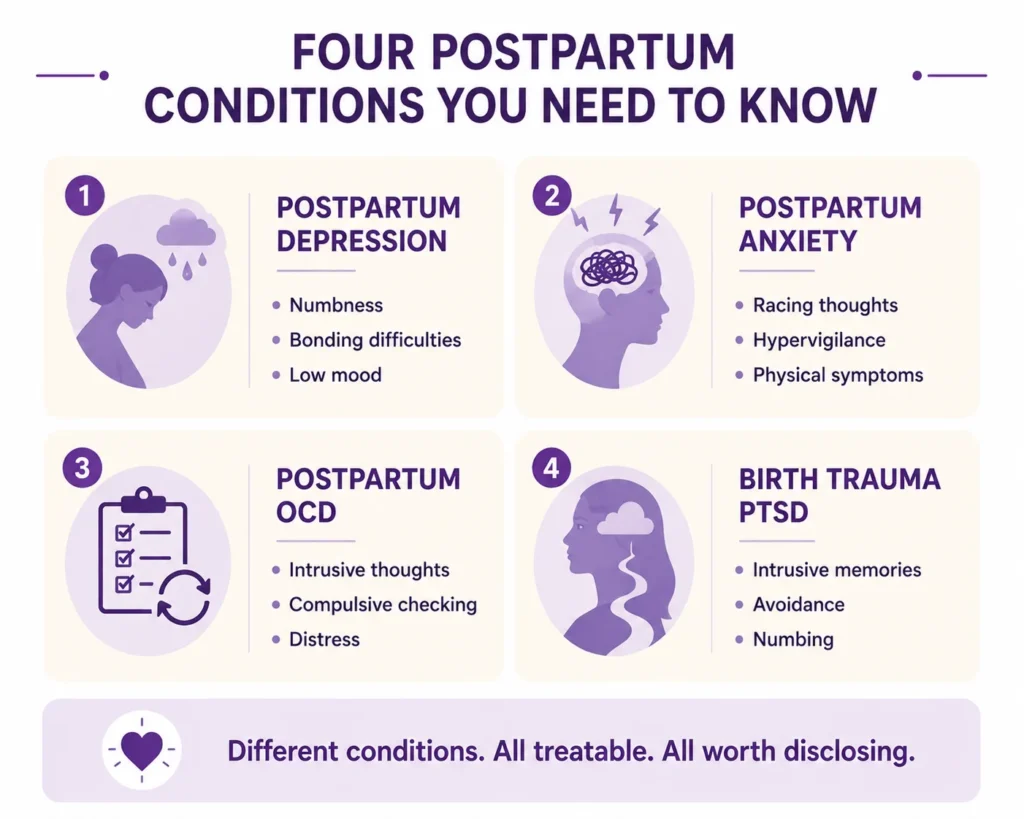
Depression after birth does not always look like crying. It often looks numb. A flatness that makes everything feel distant and unreal. Irritability that seems disproportionate to what triggered it. Exhaustion that sleep does not fix. Going through every motion correctly while feeling completely hollow inside.
When to Take It Seriously
Persistent hopelessness, withdrawal from the people you love, difficulty bonding with your baby, and thoughts that everyone would be better off without you are signs that require immediate professional attention not waiting to see if things improve on their own.
Postpartum Anxiety Symptoms: The Condition Nobody Warned You About
Postpartum anxiety is at least as common as postpartum depression and significantly less discussed. Most new mothers are told to watch for sadness. Nobody warns them about relentless, physical, suffocating worry.
What Postpartum Anxiety Actually Feels Like
Postpartum anxiety symptoms include persistent worry that feels impossible to turn off, a racing heart, chest tightness, and an inability to sleep even when you are completely exhausted because your mind will not stop running through worst-case scenarios. The hypervigilance around the baby goes far beyond normal new parent concern, it feels consuming and uncontrollable.
Postpartum Anxiety Screening: Why It Matters
Postpartum anxiety screening using validated tools like the GAD-7 or the Edinburgh Postnatal Depression Scale is a critical part of any postpartum mental health evaluation. Anxiety and depression frequently co-occur in the postpartum period, and treating one without addressing the other typically produces incomplete results.
If you recognize yourself in this description, that recognition matters. It is a clinical condition, not nervousness, not being a worrier, not something you should just push through.
Postpartum OCD Treatment: The One Nobody Talks About
Postpartum OCD treatment is one of the most underutilized areas of perinatal mental health care largely because the primary symptom is something most mothers are terrified to disclose.
What Postpartum OCD Actually Involves
Postpartum OCD involves unwanted, distressing, intrusive thoughts about harm coming to the baby. These thoughts are completely contrary to what the mother wants and cause significant distress rather than any impulse to act on them. A mother with postpartum OCD is not dangerous. She is someone whose anxiety has attached itself to the most vulnerable thing in her life.
Why Women Stay Silent
The shame and fear around disclosing these thoughts keeps many mothers suffering in silence for months. PTSD and OCD Frisco TX are conditions that Beautiful Minds treat specifically, and the approach which typically involves ERP therapy and medication management when appropriate is highly effective when someone finally gets the right care.
If you have been carrying intrusive thoughts since your baby arrived and have been too frightened to tell anyone, telling a qualified provider who understands postpartum OCD is the single most important step you can take.
Birth Trauma Therapy: When the Delivery Itself Was the Problem
Not all postpartum mental health struggles begin with what happens after the baby arrives. For some mothers, the delivery itself was traumatic about a medical emergency, loss of control, significant unmanaged pain, or an experience that left them feeling frightened or helpless.
Recognizing Birth Trauma
Birth trauma therapy addresses the psychological aftermath of a traumatic delivery, which can produce symptoms that look very much like PTSD, intrusive memories of the birth, avoidance of anything that reminds you of it, emotional numbing, and difficulty feeling present in your own life.
EMDR for Birth Trauma
EMDR birth trauma treatment is one of the most well-evidenced approaches for processing traumatic birth experiences. It helps the nervous system process the traumatic memory in a way that reduces its emotional charge, allowing the event to be remembered without the physiological distress response that currently accompanies it.
Mothers whose struggles root in what happened during delivery need trauma-specific treatment. Standard postpartum depression treatment alone will not address what is actually driving the symptoms.
Postpartum Depression and Breastfeeding: Getting Medication Right
One of the most common reasons mothers delay seeking postpartum help is concern about medication and breastfeeding compatibility. The fear of passing medication to the baby through breast milk keeps many women suffering through symptoms that could be treated safely and effectively.
What the Research Actually Says
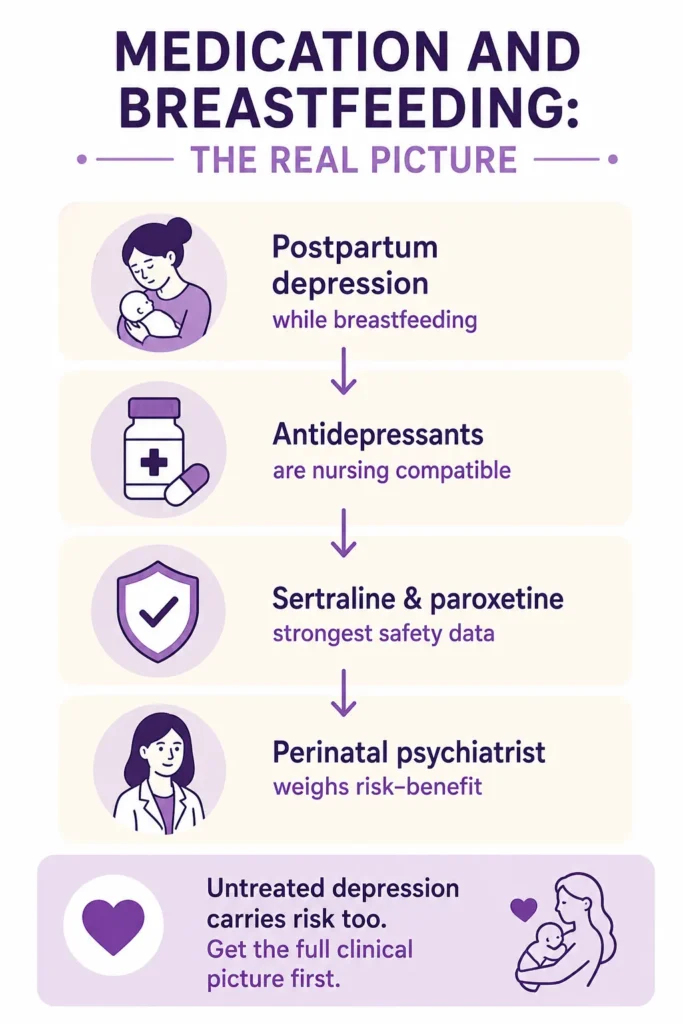
Postpartum depression breastfeeding concerns are valid, but the clinical reality is more reassuring than most people expect. Several antidepressants, particularly sertraline and paroxetine, have extensive safety data in breastfeeding mothers and are considered compatible with nursing by most perinatal psychiatrists.
Weighing the Full Risk Picture
The risk of untreated postpartum depression to both the mother and the developing infant-mother relationship is clinically significant. In most cases, it outweighs the minimal risk of medication exposure through breast milk. This is a conversation worth having with a psychiatrist who has specific perinatal experience rather than avoiding treatment out of fear.
At beautifulmindstx.com, medication decisions are made with the full picture including breastfeeding status and individual risk-benefit balance taken into account for every patient.
Postpartum Counseling and Treatment: What Actually Works
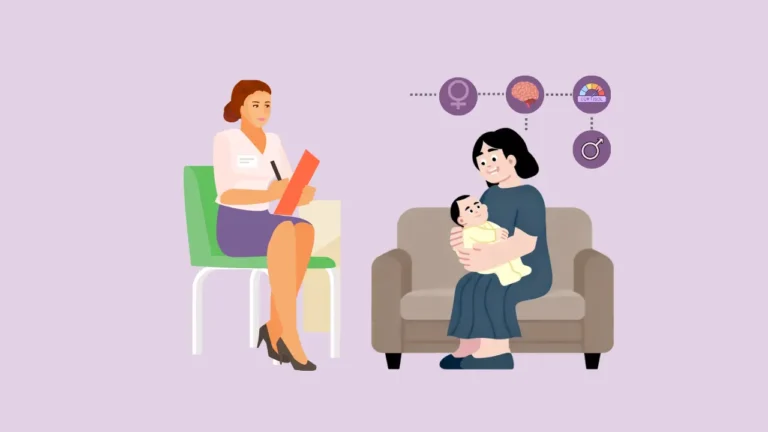
Postpartum counseling forms the backbone of treatment for most postpartum mood disorders. But not every type of therapy fits every condition and knowing what works for what matters.
Therapy Options
Cognitive behavioral therapy adapted for the postpartum experience addresses the guilt, perfectionism, and catastrophizing that depression and anxiety amplify in new mothers. Interpersonal therapy focuses on the relationship shifts and identity changes that new parenthood brings. For mothers dealing with birth trauma, EMDR and somatic approaches are more specifically targeted to what they need.
When Medication Becomes Part of the Plan
Medication management is appropriate for moderate to severe presentations and consistently produces better outcomes when combined with therapy rather than used alone. For mothers whose postpartum depression has not responded to standard antidepressants, advanced treatment options including TMS therapy are available at Beautiful Minds Frisco giving women access to treatment that goes further than the standard first-line options when those options have not been enough.
Frequently Asked Questions
Duration and trajectory are the clearest signals. If your mood has been consistently low or numb for more than two weeks and is not improving, a proper clinical evaluation is the right next step rather than continuing to wait it out.
Yes, and it frequently does. Postpartum anxiety is a distinct condition that can occur independently of depression and is significantly underdiagnosed because postpartum screening has historically focused on depression alone.
Postpartum OCD involves distressing intrusive thoughts the mother recognizes as unwanted and contrary to her wishes. Postpartum psychosis involves a break from reality hallucinations, delusions, severely disorganized thinking and is a psychiatric emergency requiring immediate care.
Yes. EMDR has a strong evidence base for trauma processing and is one of the most effective approaches specifically for birth trauma, helping the nervous system process traumatic memories and reduce the ongoing distress response.
Yes. Both telehealth and in-person appointments are available at beautifulmindstx.com, making it significantly easier for new mothers to access care without the logistical challenge of traveling with a newborn.
Find Postpartum Mental Health Support That Fits
At beautifulmindstx.com, postpartum mental health is treated with the clinical depth and human understanding this season of life requires. The team at Beautiful Minds Frisco offers comprehensive psychiatric evaluation for postpartum depression, postpartum anxiety, postpartum OCD, and birth trauma with treatment options ranging from therapy and medication management to advanced interventions like TMS for cases where standard approaches have not been sufficient.
Both telehealth and in-person appointments are available, which matters practically when you have a newborn, a recovery to manage, and a schedule that does not accommodate driving across town.
If something has felt wrong since your baby arrived and you have been waiting for it to pass, that waiting has probably gone long enough. Reaching out is not a weakness. It is the most important thing you can do for yourself and for your baby.
Visit beautifulmindstx.com or call (972) 668-3109 to schedule your evaluation today.
Disclaimer: This content is for informational and educational purposes only. It is not a substitute for professional mental health advice, diagnosis, or treatment. If you are in crisis, call or text 988 for the Suicide and Crisis Lifeline.