Mental Health During Pregnancy: Therapy Guide

Mental health during pregnancy is your emotional, psychological, and social well-being while you carry your baby. Hormones, physical changes, and big life shifts can affect how you feel, think, and cope. When worry or sadness lingers or interferes with daily life, support from your OB-GYN, a therapist, or a psychiatrist can help.
Pregnancy changes your body, your routines, and your emotions all at once. You may feel excited about your baby and still feel anxious, sad, stressed, or afraid, and many moms do. Your mental health deserves as much attention as your physical health.
This guide explains the signs to watch for, how therapy and medication guidance work, and where to find support in Frisco and Dallas-Fort Worth. You don’t have to navigate these changes alone.
Key Takeaways
- Moms often feel anxious or sad during pregnancy, and your mental health deserves the same care as your physical health.
- Seek support whenever your feelings concern you or interfere with daily life, even if symptoms aren’t severe.
- Therapists use CBT and IPT to treat anxiety and depression during pregnancy.
- Don’t stop prescribed medication on your own. Call your prescriber and OB-GYN first.
- Call or text 988 in a crisis, or 1-833-TLC-MAMA for free, confidential support.
What Is Mental Health During Pregnancy?
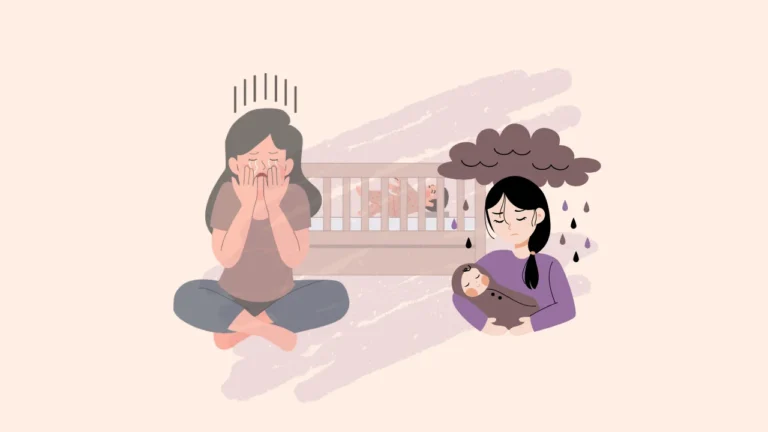
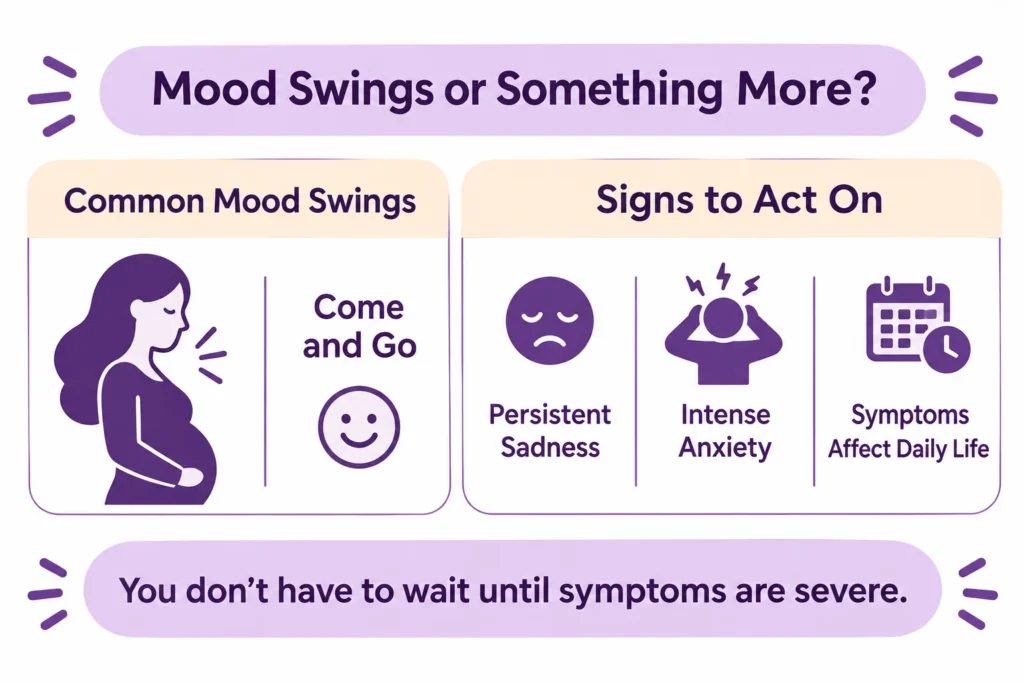
Pregnancy brings mood swings and worries, and they usually ease. Persistent sadness, intense anxiety, or symptoms that interfere with your daily life may point to a mental health condition that needs attention. You don’t have to wait until symptoms become severe to talk with a healthcare professional.
Perinatal mental health, sometimes called maternal mental health, is a broader term. It covers your mental health during pregnancy and after childbirth. Perinatal depression affects as many as 1 in 7 women, and NIMH notes that it is treatable.
Common Mental Health Challenges During Pregnancy
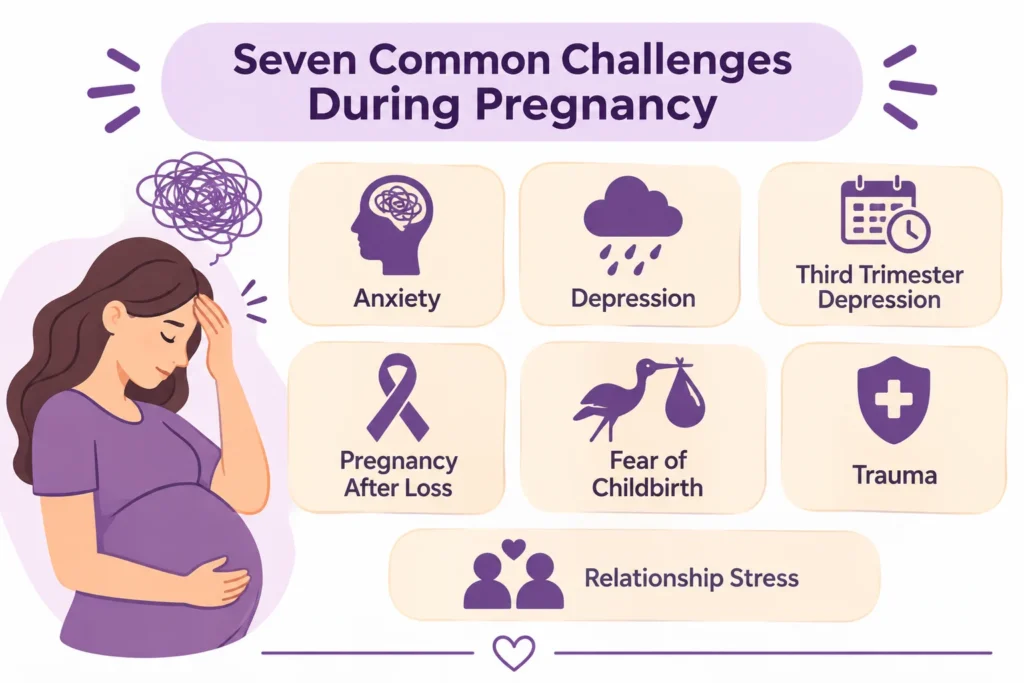
Challenges look different for every mom, and you may notice one or a mix of them.
Anxiety During Pregnancy
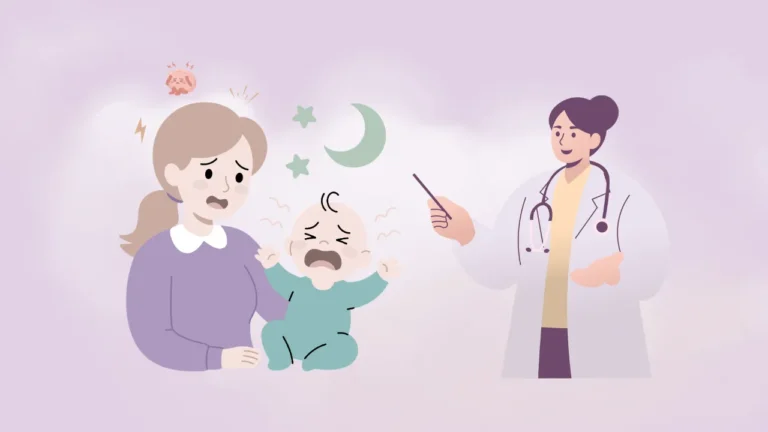
You may feel excessive worry, fear about your baby’s health, and racing thoughts. You may also struggle to relax or sleep, even when your checkups look fine.
Depression During Pregnancy
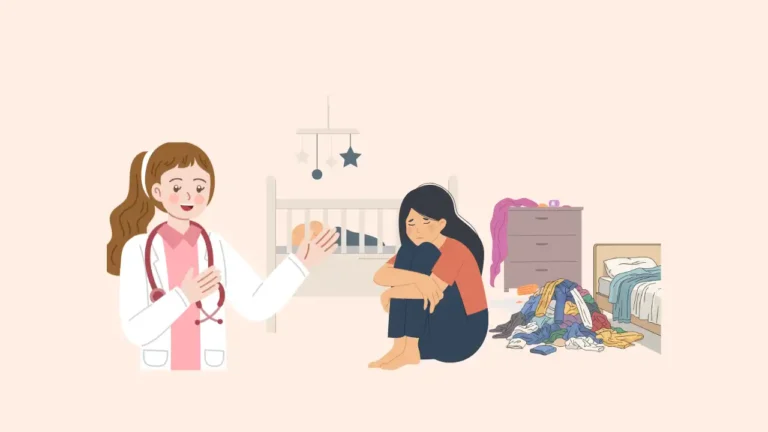
You may feel persistent sadness, hopelessness, low energy, or lose interest in things you once enjoyed. Depression in moms is common and treatable, and it can develop in any trimester.
Depression During Pregnancy Third Trimester
Late pregnancy can bring these feelings, too Dread about labor, deep exhaustion, or hopelessness deserve the same care as earlier symptoms, so tell your OB-GYN if you notice them.
Pregnancy After Loss
You may feel fear, guilt, or trouble feeling hopeful, even when your current pregnancy is going well. Support can help you work through those feelings.
Fear of Childbirth
You may worry about labor pain, medical care, or losing control. Talk with your OB-GYN or a therapist if that fear grows stronger as your due date gets closer.
Trauma During Pregnancy
Past trauma, such as abuse or a hard earlier birth, can resurface. Tell your care team so they can support you with care and respect.
Relationship Stress During Pregnancy
New tension with your partner or less support from family can weigh on your mood. A therapist can help you improve communication and build a stronger support system.
Other Mental Illness During Pregnancy
A pregnancy mental illness can also include OCD, bipolar disorder, or PTSD. Some moms have lived with these conditions for years, and others notice symptoms for the first time during pregnancy.
Signs You May Need Support
Occasional ups and downs are normal, but you don’t need to wait for symptoms to last or become severe before you reach out. Seek support whenever your feelings concern you or interfere with daily life. Tell your OB-GYN about changes in your mood, sleep, and appetite, and any thoughts of harming yourself.
When to Seek Mental Health Support During Pregnancy
| Signs you notice | What you can do |
| Persistent sadness or frequent crying | Discuss your feelings with your OB-GYN |
| Excessive worry or panic | Ask about an evaluation with a mental health professional |
| Sleep problems beyond typical pregnancy discomfort | Discuss the changes with your healthcare provider |
| Withdrawing from people you trust | Reach out to someone you feel comfortable talking to |
| Feeling hopeless or overwhelmed | Seek professional mental health support |
| Thoughts of harming yourself | Call or text 988; call 911 in an emergency |
The National Maternal Mental Health Hotline offers free, confidential support 24/7 at 1-833-TLC-MAMA, though it isn’t a crisis line.
How Therapy Helps
Therapy while pregnant helps you manage anxiety, depression, stress, and emotional changes. Pregnancy therapy gives you a space to talk about your fears, build coping skills, and put your mom mental health first.
Counseling during pregnancy can also improve communication with your partner and help you work through fears before childbirth. Asking for support is a positive step, not a sign of weakness. Therapy can’t prevent every condition, but it gives you lasting tools.
Types of Therapy
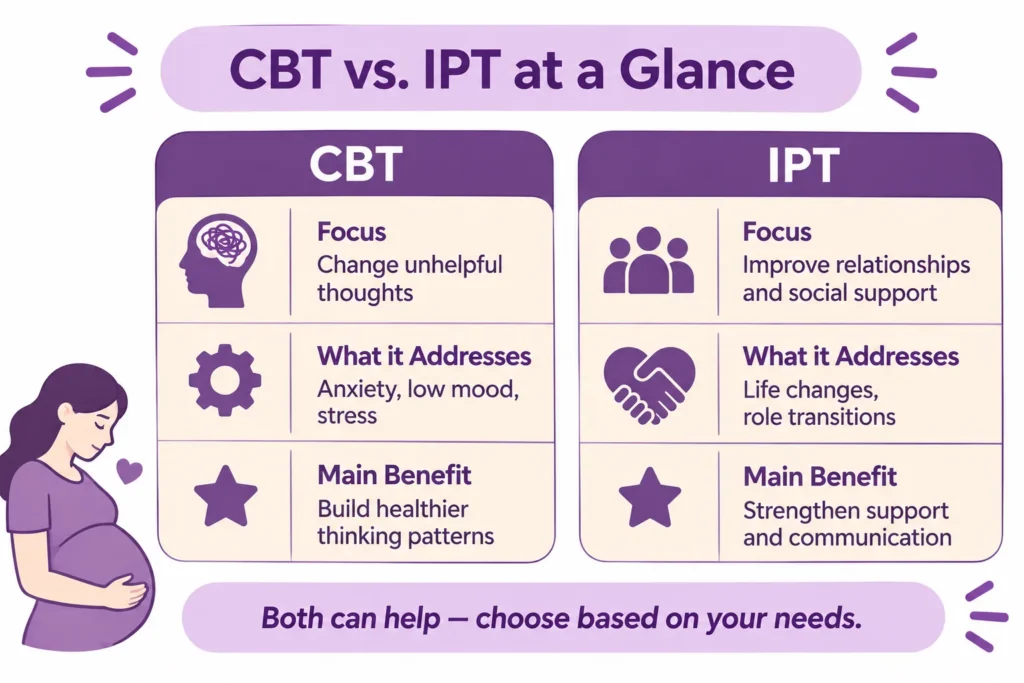
Therapists use cognitive behavioral therapy (CBT) and interpersonal therapy (IPT) to treat anxiety and depression during pregnancy. In its 2019 final recommendation, the U.S. Preventive Services Task Force recommended counseling, mainly CBT and IPT, for pregnant and postpartum women at increased risk of perinatal depression, and it is now updating that recommendation.
Benefits of CBT
CBT during pregnancy helps you spot unhelpful thought patterns and build healthier coping strategies. The benefits of CBT include practical skills for worry, sleep, and stress.
Interpersonal Therapy for Postpartum Depression
Interpersonal therapy for postpartum depression focuses on relationships, communication, and major life transitions. It can also help you during pregnancy, when your roles and routines change.
Trauma-Informed Therapy
Trauma-informed therapy supports you when your pregnancy connects with past trauma, and it puts emotional safety first.
Couples or Family Therapy
Sessions with your partner or a family member can improve communication and support.
CBT and IPT Compared
| Feature | CBT | IPT |
| Focus | Thoughts, feelings, and behaviors | Relationships and life changes |
| What it addresses | Unhelpful thought patterns and coping difficulties | Relationship challenges, communication, and major life transitions |
| Main benefit | Builds practical coping strategies | Supports communication and relationship changes |
Is Therapy Safe During Pregnancy?
Yes. Clinicians generally consider talk therapy a safe, commonly used treatment approach during pregnancy. The U.S. Preventive Services Task Force found that the harms of counseling interventions are no greater than small.
Your therapist can tailor sessions to your symptoms, your trimester, and your goals. Tell your therapist that you are pregnant at your first visit, and share your plan with your OB-GYN so your care team works together.
Talk with a Beautiful Minds psychiatrist about your pregnancy concerns.
Is Anxiety Medication Safe in Pregnancy?
It can be, depending on your symptoms, your history, the specific medication, and your stage of pregnancy. Safe medication for anxiety during pregnancy has no single answer for every mom, so your psychiatrist and OB-GYN weigh the benefits and risks with you.
The American College of Obstetricians and Gynecologists (ACOG) advises against withholding or stopping mental health medication solely because you are pregnant or breastfeeding. Never stop or change a prescribed medication on your own. Call your prescriber and OB-GYN first.
Our psychiatrists at Beautiful Minds evaluate your symptoms and guide your medication decisions, and they work with your therapist and OB-GYN. Learn more about our Pregnancy and Postpartum Complex Illness Care.
When to Start Prenatal Therapy
You don’t need to wait until symptoms become severe. Start prenatal therapy when anxiety, sadness, stress, or fear begins to affect your daily life. Therapy can begin before pregnancy, during pregnancy, or after childbirth.
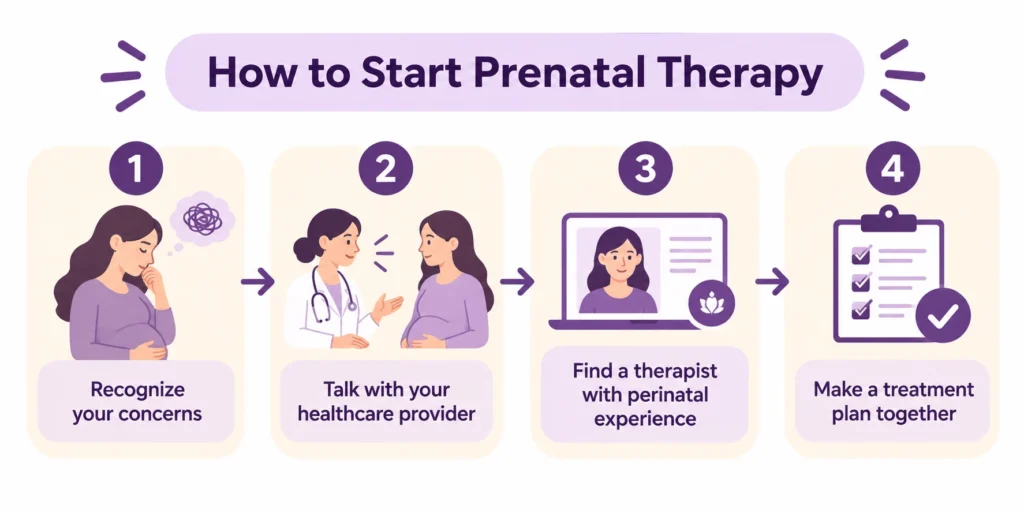
How to Start Prenatal Therapy
- Recognize the emotional concerns you are experiencing.
- Discuss them with your healthcare provider.
- Find a qualified therapist with perinatal mental health experience.
- Discuss your symptoms and create a treatment plan together.
Finding a Perinatal Therapist
A perinatal therapist is a licensed professional trained in pregnancy and postpartum mental health, and perinatal therapy should help you feel heard.
Check Therapist Credentials
Look for an active state license, such as a psychologist, licensed professional counselor, or clinical social worker, and verify it with your state licensing board.
Ask About Experience
Ask whether the therapist works with pregnancy-related anxiety, depression, pregnancy after loss, and trauma, and what perinatal training they have.
Discuss Options
Ask about therapy approaches, availability, insurance, and whether the therapist offers online or in-person sessions.
Ways to Support Yourself
Therapy is one option, and daily support matters too:
- Talk openly with your OB-GYN about emotional changes.
- Share your concerns with someone you trust.
- Ask your partner or family for support and make time to rest.
Maternal Depression and Child Development
Research links untreated perinatal depression with some pregnancy and child development outcomes. The U.S. Preventive Services Task Force notes it can have negative short and long term effects on mother and child, but these links are not guarantees. Depression does not mean you did anything wrong.
Mental Health in Infants
Caring, responsive relationships support mental health in infants. Treatment for your own anxiety or depression can help you feel better able to connect with your baby.
Talk Openly With Your OB-GYN
Share your emotional health at prenatal visits, just as you would discuss physical symptoms. Mention mood changes, sleep problems, constant worry, and any medication you take. Speaking openly helps your care team guide you toward support.
Yes. Clinicians generally consider talk therapy safe during pregnancy, and the U.S. Preventive Services Task Force found that harms from counseling are no greater than small. Tell your therapist you’re pregnant and share your plan with your OB-GYN, so your care team works together.
Start whenever anxiety, stress, or fear begins to affect your daily life. You don’t need to wait for symptoms to become severe, and therapy can begin before pregnancy, during pregnancy, or after your baby arrives. Ask your OB-GYN or psychiatrist for a referral if you’re unsure.
It can be, depending on your symptoms, history, the specific medication, and your stage of pregnancy. There’s no single answer for every mom, so a psychiatrist and your OB-GYN weigh the benefits and risks with you. Ask them before you start, change, or stop anything.
Don’t stop on your own. ACOG advises against stopping mental health medication solely because you’re pregnant, and sudden changes can bring symptoms back. Call your prescriber and OB-GYN promptly so you can review your plan together before making any change.
Mood swings are common in pregnancy, and they usually ease. Depression lasts longer and affects daily life, with persistent sadness, hopelessness, low energy, or loss of interest. If you’re unsure, talk with your OB-GYN or a mental health professional, and call or text 988 if you think about harming yourself.
Research links untreated perinatal depression with some pregnancy and infant outcomes, but these links are not guarantees. Depression in moms is treatable, and getting care helps you feel better. It does not mean you did anything wrong. Talk with your care team about your concerns.
Supporting Your Mental Health During Pregnancy
Your mental health during pregnancy deserves attention throughout your pregnancy and beyond. Don’t wait until difficulties feel overwhelming.
Our psychiatrists in Frisco, Texas, can evaluate your symptoms and guide your medication decisions, in person or by telehealth.
Request a pregnancy mental health appointment at Beautiful Minds.
Disclaimer: This content is for informational and educational purposes only. It is not a substitute for professional mental health advice, diagnosis, or treatment. If you are in crisis, call or text 988 for the Suicide and Crisis Lifeline or call 911 in an emergency.