When Should You See a Psychiatrist? Your Guide to Understanding Panic Attacks
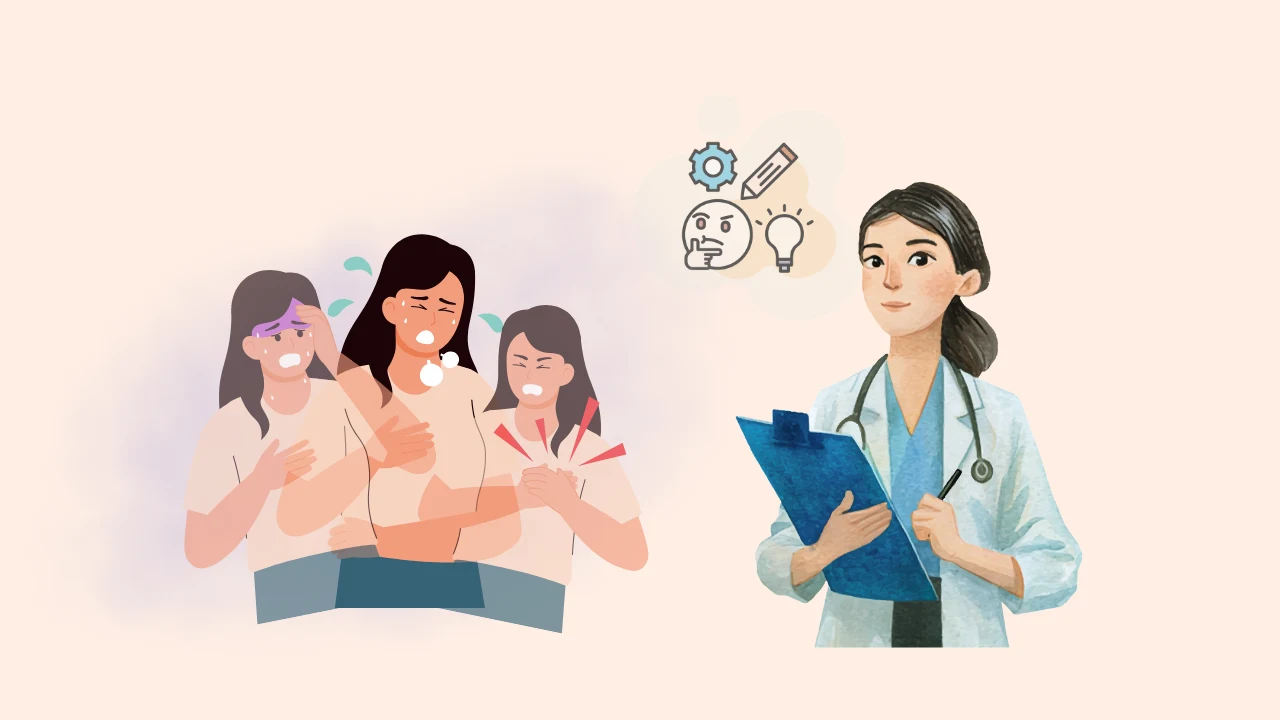
It hits you out of nowhere. Your heart starts pounding. Breathing gets tight. Your hands start sweating anxiety attacks style, and you feel like you’re going to die. But there’s nothing actually wrong. Nothing dangerous is happening. It’s just your body freaking out for no reason.
That’s a panic attack. And if you’ve had one, you know how terrifying it is. The worst part is not knowing if it will happen again. Not knowing when to see a psychiatrist about it and not knowing if you’re overreacting or if this is actually something serious.
If you’re in Texas and you’ve been dealing with panic attacks, you’re not alone. Thousands of people experience this every single day. And the good news is that panic attacks are treatable. With the right help, things get better. You learn what is happening, how to handle it, and that you’re going to be okay.
In this guide, we’re going to talk about what panic attacks are. What are the warning signs? And most importantly, when to see a psychiatrist so you can get real help.

What a Panic Attack Really Feels Like
The first one comes out of nowhere. You’re at your desk, maybe sipping your coffee, thinking about lunch or whatever, and then your heart just loses it. Pounding so hard, you can actually feel it in your throat.
And your brain goes straight to, okay what is happening to me right now.
Your chest tightens up in a way that doesn’t feel normal at all. Then breathing becomes this weird, like you suddenly forgot how to do something you’ve done your whole life. And focusing on it only makes it worse. Each breath feels a little too shallow and short.
Then the dizziness shows up uninvited. The room tilts just enough to make you grab something. Out of nowhere you’re soaked, like you just ran a mile, except you haven’t moved from your chair.
Here’s what really gets to people though. That complete loss of control feeling. The heart just won’t listen. Breathing won’t cooperate. Trying to muscle through it or force yourself to calm down only throws more fuel on the fire.
Some folks get through it in five minutes, and it’s done. Others feel like they’re stuck in it forever. Technically most of them wrap up within thirty minutes, but when you’re thick of it, five minutes feels like you’ve been sitting there for an hour.
And the body does this bizarre thing where the skin feels cold and clammy, but the sweat won’t stop. Somewhere in the background your system has decided there’s a real threat coming, so it’s getting ready to either throw punches or bolt out the door. Except there’s no threat and nowhere to run. So, you just sit there, everything wound up tight, waiting for your own body to finally figure out that everything is actually okay.
Understanding the Different Symptoms
Physical Symptoms That Scare You
Your heart is racing. Panic attack dizziness hits you hard. You can’t breathe right. Your chest hurts. Your hands are shaking. You feel nauseous. Your body is going haywire and you don’t know why.
The panic attack of dizziness is especially scary because it makes you feel disconnected from reality. Like you’re floating. Like something is seriously wrong with your brain. But it’s just that your nervous system overdrives.
Sweating anxiety attacks is another one that freaks people out. You’re drenched in sweat, but you’re not doing anything. You’re just sitting there feeling like your body is betraying you.
The Mental and Emotional Aspect
Beyond physical stuff is mental stuff. The fear of losing control. The feeling that you’re going crazy. The thought that something catastrophic is about to happen.
Fear of losing control is maybe the scariest part. You feel like your mind or body might do something you can’t stop. Like you might faint, collapse, scream, or lose your mind completely.
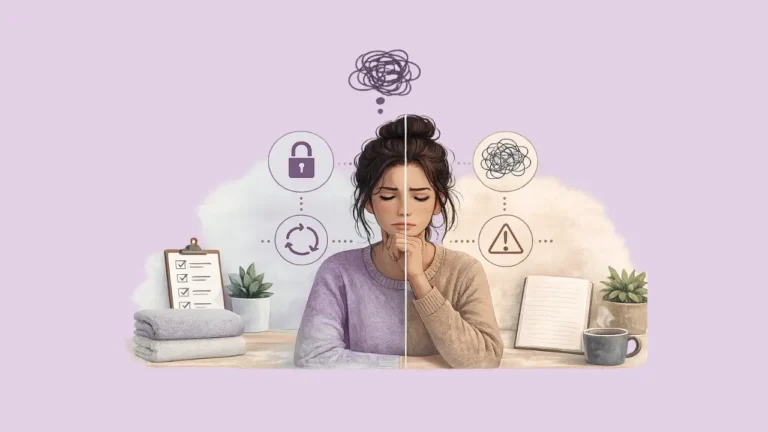
And then there’s anticipatory anxiety. After you’ve had one panic attack, you start worrying about having another one. You avoid situations where you had an attack before. You stop doing things because you’re scared a panic attack will happen.
This is where panic and agoraphobia can develop. You start avoiding more situations. And your world is getting smaller and smaller.
When to See Psychiatrist: The Real Warning Signs
So, when is it just one scary experience and when is it actually a panic disorder? When do you actually need to see a psychiatrist about it?
The first panic attack might be a one-time thing. Maybe you had a stressful day, got some bad news, or maybe you were in a situation that naturally caused anxiety. And then it passed. It never happened again.
But if it keeps happening, that’s different. If you’re having repeated panic attacks, that’s when you need to seek professional help. The first panic attack is scary but might pass. Recurring panic attacks is a sign you need for actual treatment.
If panic attack duration is getting longer and happens more often which is affecting your work, your relationships and you’re starting to avoid situations because you’re scared of having an attack. These are all signs you need to see a psychiatrist.
If you’re not sleeping because you’re worried about having a panic attack at night, that’s panic disorder insomnia territory. And that’s when professional help becomes really important.
If you’re starting to develop panic and agoraphobia, where you’re avoiding public places or situations where you had an attack, you need help. Because this pattern gets worse without treatment.
The mental health referral process starts with recognizing that you need help. And then actually taking action to get it.
What Actually Happens at the Doctor
The First Visit and Assessment
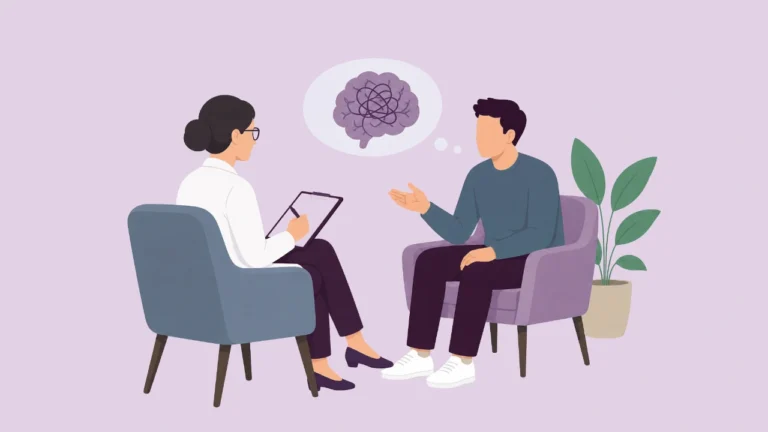
When you go in to see a psychiatrist, they’re going to ask you questions. They want to understand what is happening. How often are you having attacks. What do they like. What triggers them. How are they affecting your life.
A panic attack assessment is basically figuring out if you have a panic disorder. How severe it is. Whether it’s affecting your mental health in other ways.
They’ll ask about panic and agoraphobia. About whether you’re avoiding situations or having anticipatory anxiety. About whether panic disorder insomnia is a problem.
Understanding Your Diagnosis
Once they evaluate you, they’ll explain what is happening. They’ll tell you that you have a panic disorder. That is real. That is treatable. That you’re not crazy. That your body is just overreacting.
They’ll explain that panic attacks, dizziness, and sweating anxiety attacks and the fear of losing control are all symptoms. They’re not signs of you’re dying, or you’re going insane. They’re just panic disorder symptoms.
And then they’ll talk about treatment options. The most effective treatment for panic disorder is cognitive behavioral therapy panic. That’s a CBT for panic disorder. It works.
Getting Help You Can Actually Afford
Not everyone can afford expensive therapy. It’s important to know if there are any options. An anxiety therapist for Frisco TX might do sliding scale counseling. Community mental health centers offer low-cost services.
The mental health referral might be to a therapist. It might be a psychiatrist, or it might be both. It depends on what your doctor thinks you need.
Treatment Options That Actually Work
Cognitive Behavioral Therapy Panic
Cognitive behavioral therapy panic is the gold standard treatment. It’s proven to work. Studies show that it helps most people with panic disorders.
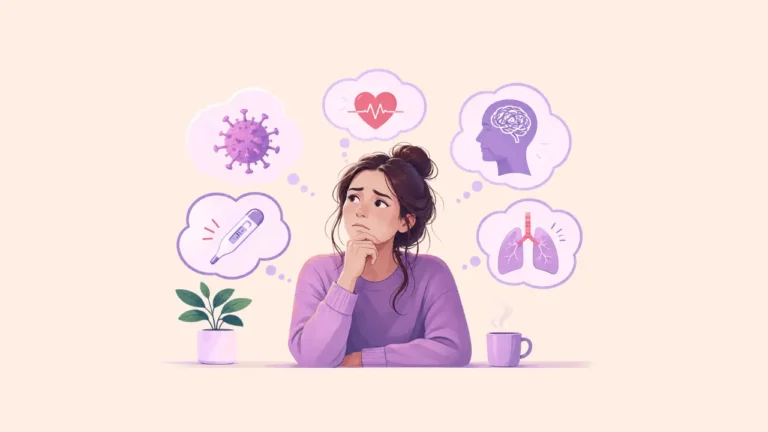
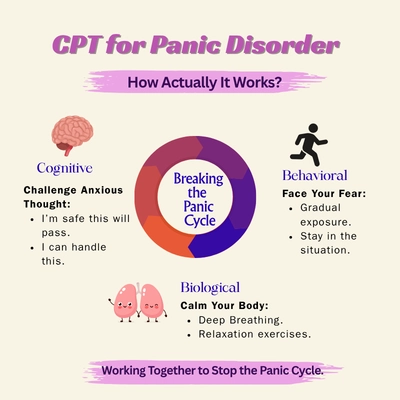
Here’s how it works. Your therapist helps you understand the thoughts that feed your panic. You might think something bad is going to happen. Or you might misinterpret your physical symptoms. You might think your racing heart means you’re having a heart attack.
CBT for panic disorder teaches you to challenge those thoughts. To recognize, they’re not facts. To understand your body’s panic response without fearing it.
Your therapist also helps you with exposure. Gradually facing situations that scare you. Going back to places where you had panic attacks. Doing things you’ve been avoiding. Each time you do something and nothing bad happens, your brain learns that the situation is actually safe.
Medication If Needed
Sometimes your doctor might recommend medication. Antidepressants can help with panic disorders. They reduce how often you have attacks. They make attacks less intense when they do happen.
Medication isn’t a cure. But combined with cognitive behavioral therapy panic, it can really help. Especially in the beginning while you’re learning CBT skills.
Other Things That Help
An anxiety therapist for Frisco TX might also teach you breathing exercises. Relaxation techniques. Ways to calm your nervous system. These help in the moment when panic starts.
But the real work is cognitive behavioral therapy panic. That’s what changes how your brain responds to panic. That’s what breaks the cycle.
Specific Situations Where You Need Help Fast
If Panic and Agoraphobia Are Developing
If you’re noticing that panic and agoraphobia are showing together, you need to see a psychiatrist soon. Because this pattern gets worse fast without treatment. You start avoiding more situations. Your world is getting smaller.
Get help before it gets to that point. Once you’re in a severe agoraphobia cycle, recovery takes longer.
If Panic Disorder Insomnia Is Happening
If you can’t sleep because you’re worried about having a panic attack at night, that’s serious. Panic disorder insomnia makes everything worse. You’re exhausted. Your anxiety gets worse when you’re tired. You have more panic attacks.
This is something cognitive behavioral therapy panic specifically addresses. Your therapist can help you break this cycle.
If You’re Starting to Avoid Things
If you’ve had a panic attack and now, you’re avoiding that place. Or avoiding that activity. Or avoiding that situation. You need help now. Because avoidance is what feeds panic disorder.
The longer you avoid things, the more your brain thinks that the situation is actually dangerous. And the more panic attacks you’ll have.
Finding the Right Help in Your Area
If you’re in Texas and looking for help, an anxiety therapist for Frisco TX can provide cognitive behavioral therapy panic. You want someone who specializes in panic disorders. Not just general anxiety. Panic disorder specifically.
The mental health referral from your doctor is a good starting point. They know who’s good in your area. They know who specializes in panic.
When to see a psychiatrist, it is really when you recognize the pattern, you’ve had more than one panic attack and is affecting your life. When you’re starting to avoid situations.
Don’t wait until it gets worse. Don’t wait until panic and agoraphobia are taking over. Get help now when treatment is easier.
Common Questions People Ask
If you’ve had panic attacks, dizziness, and sweating anxiety attacks and the fear of losing control, that’s a panic disorder. Normal stress doesn’t feel like that. Normal worry doesn’t cause those physical symptoms. Talk to a doctor to get properly assessed.
Panic attack duration varies. Most last between five and twenty minutes. Some last longer. But they always pass. The key is knowing they’ll pass and not fight them, which cognitive behavioral therapy panic teaches you.
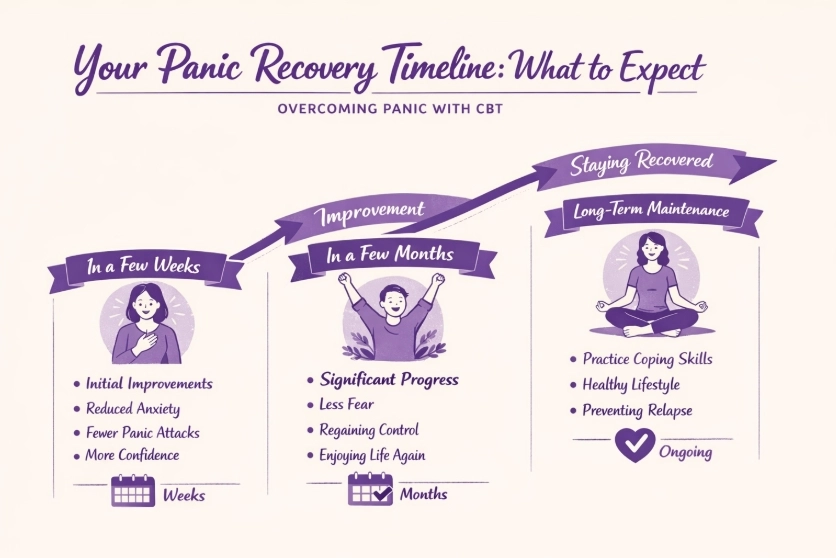
Panic disorders can be treated really well. Most people see major improvements with cognitive behavioral therapy panic. Some people are completely panic free after treatment. Others learn to manage it so well they barely think about it.
Many anxiety therapists offer sliding scale fees. Community mental health centers offer low-cost services. The mental health referral from your doctor might direct you to affordable options. Don’t let cost stop you from getting help.
Not always. Cognitive behavioral therapy works without medication for many people. But sometimes medication helps, especially in the beginning. Your doctor will discuss what is best for your situation.
If you’re having severe chest pain, that might be a heart attack, go to the ER. If you’re having thoughts of harming yourself, go to the ER. Otherwise, a regular appointment with a psychiatrist is fine. But if panic attacks are severe and frequent, see a psychiatrist soon.
Take Your First Step Forward
You don’t have to keep living with panic attacks controlling your life. When to see a psychiatrist is now if you’ve had multiple attacks. Don’t wait and don’t try to handle it alone.
Cognitive behavioral therapy panic works. It helps people get better. An anxiety therapist for Frisco TX can help you, or a psychiatrist. Or your regular doctor can refer you to someone.
The fear of losing control is real. But with proper treatment, you regain control. You learn that panic attacks are dangerous and learn techniques to manage them. You get your life back.
At Beautiful Minds in Texas, we work with people struggling with panic disorder every single day. We understand what you’re going through. We know how to help with cognitive behavioral therapy panic and other treatments.
Schedule your appointment with us. You deserve to feel better, to live without panic controlling your life. Make the call today.
Disclaimer: This content is for informational and educational purposes only. It is not a substitute for professional mental health advice, diagnosis, or treatment. If you are in crisis, call or text 988 for the Suicide and Crisis Lifeline.