Does My Child Have ADHD or Something Else? A Frisco Parent’s Guide to Finding Out
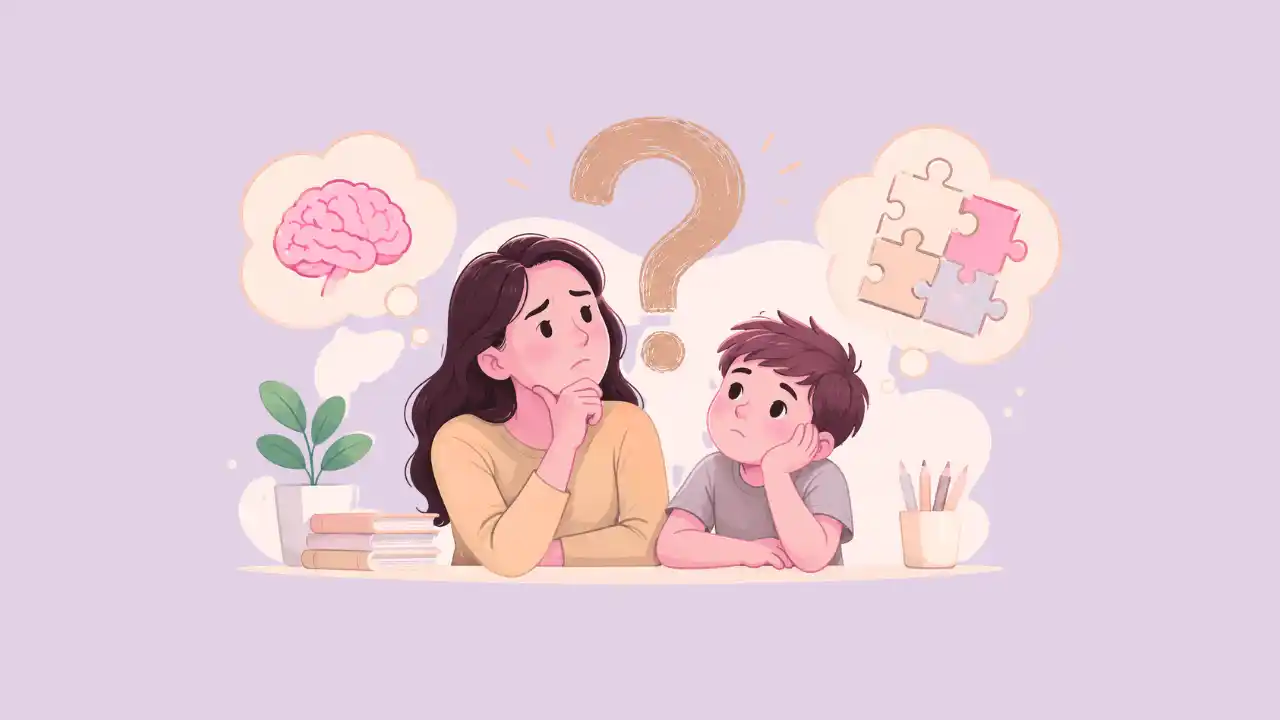
Every parent hits a point where they stop and wonder if what they are seeing is normal or something more. The tantrums that go way longer than they should. The inability to sit still for even five minutes. The meltdowns over things that seem so small. If you have been quietly asking yourself, ” Does my child have ADHD or something else? You are not alone and you are not overreacting.
Figuring out what is going on takes more than a Google search at midnight. It takes a real conversation with someone who understands child development and the conditions that look a lot like each other before you know what you are truly dealing with.
Key takeaway:
- What ADHD in preschoolers looks like versus normal toddler behavior
- How ADHD and tantrums differ from typical emotional outbursts
- What oppositional defiant disorder vs ADHD looks like side by side
- When ADHD and anxiety in children or ADHD and depression in children enter the picture What ADHD parenting tips work in real daily life
- Where Frisco parents can find a pediatric psychiatrist ADHD evaluation
What ADHD Actually Looks Like in Young Children
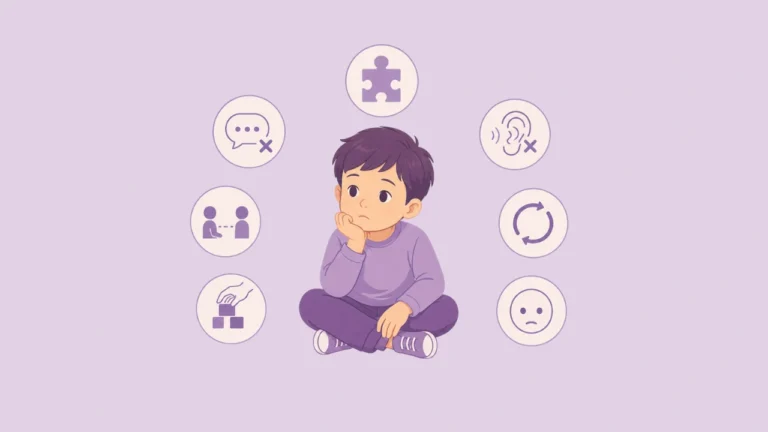
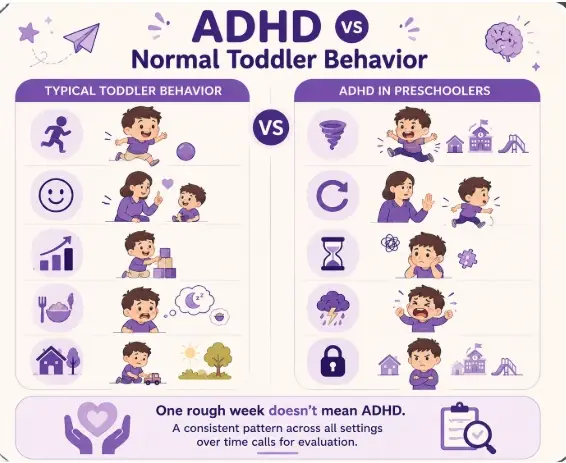
ADHD in preschoolers does not look like a child sitting quietly while struggling to pay attention. It looks loud, physical, and exhausting for everyone in the room. A three- or four-year-old with ADHD might run instead of walk, climb everything in sight, jump from one activity to the next every two minutes, and genuinely struggle to follow more than one instruction at a time.
The part that trips most parents up is that a lot of this also sounds like typical toddler behavior. Young children are supposed to be active, impulsive, and easily distracted. The difference with ADHD is how intense it is, how consistent it is across every single setting, and how much it gets in the way of the child actually functioning day to day.
Every preschooler has hard days, but ADHD looks different from that. Other kids the same age are not doing this at the same level, and that difference is hard to ignore. It also does not stay in one place. Home, school, anywhere you take them, the behavior follows.It also sticks around over time rather than coming and going with whatever is stressful that month.
ADHD and Tantrums: What Parents Need to Know
ADHD and tantrums go together more than most people realize and understanding why changes how you respond as a parent.
Kids with ADHD have a genuinely harder time managing their emotions than other children their age.Young kids do not yet have the brain development to pause and respond calmly, and ADHD makes that gap even wider. That tantrum that looks like your child is just being difficult is usually something else entirely. Their emotional system got completely flooded and they had no other way to get it out.
ADHD and tantrums tend to be more intense, last longer, and happen far more often than regular toddler meltdowns. They are also harder to redirect in the moment because by that point the child is genuinely past being able to hear reason or pull themselves back quickly.
This does not mean the behavior is fine or that nothing needs to change. The approach has to match what is actually happening in the brain, not treat every meltdown as a discipline problem.
Oppositional Defiant Disorder vs ADHD
A lot of parents confuse oppositional defiant disorder with ADHD, and honestly some providers do too. Getting that distinction right actually matters a lot for how you move forward with treatment.
ADHD and ODD can happen together but they are separate things.What reads as defiance is usually one of three things. They did not catch the instruction at all, they heard it but could not hold it in their head long enough to follow through, or something grabbed their attention mid-task and that was it. None of those are attitude problems.That is not defiance. That is an attention and executive function problem playing out in real time.
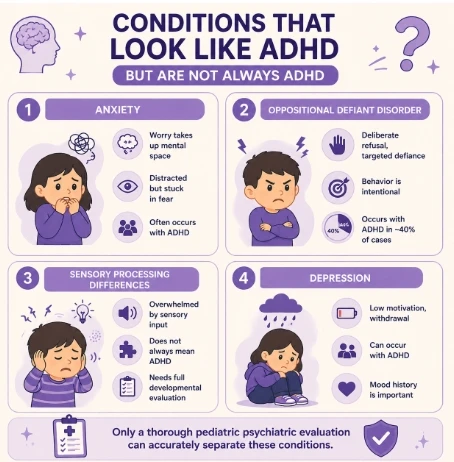
Oppositional defiant disorder looks different up close. A child with ODD consistently argues back, refuses rules on purpose, blames everyone else for their mistakes, and actively tries to annoy or upset others. The behavior is deliberate and pointed rather than scattered and accidental.
According to the American Academy of Pediatrics, around 40 percent of children with ADHD also meet the criteria for ODD. Getting a thorough evaluation matters because treating only one when both are present leaves a big part of the picture completely unaddressed.
When ADHD and Anxiety or Depression Enter the Picture
ADHD and anxiety in children shows up far more often than most parents expect. A child who keeps forgetting things, falling behind, getting into trouble, and struggling to connect with other kids often starts developing real anxiety from those repeated experiences alone. That anxiety can actually cover up the ADHD symptoms underneath, which is a big reason why girls with ADHD tend to get diagnosed much later than boys.
ADHD and depression in children follows a similar path. Years of struggling without knowing why, feeling different from everyone around them, and hearing more correction than encouragement leaves a mark on how a child sees themselves. According to the Child Mind Institute, children with untreated ADHD face a significantly higher risk of developing depression before they even reach their teenage years.
A proper evaluation looks at all this together rather than picking one thing and ignoring the rest. Getting the full picture early saves a lot of time and prevents a lot of pain that did not have to happen.
ADHD and Premature Birth
Something parents sometimes bring up and wonder about is the link between ADHD and premature birth. The Journal of Pediatrics has looked at this more than once and the finding stays the same. Kids born early, particularly those who arrived before 32 weeks, show up with ADHD diagnoses at much higher rates than children who went full term.
The reason comes down to brain development. The prefrontal cortex, which handles attention, impulse control, and planning, is one of the last parts of the brain to fully develop. Premature birth interrupts that process at a really critical window. This does not mean every premature child will end up with ADHD, but parents of premature children are right to keep it on their radar and bring it up during any developmental evaluation.
How to Parent a Child With ADHD
Knowing how to parent a child with ADHD changes outcomes in a real and measurable way, and the research on this is solid. Structure, consistency, and positive reinforcement are the foundation that everything else gets built on.
Keep the routine visual and posted somewhere your child can actually see it, because asking an ADHD brain to remember a schedule is setting everyone up for a rough morning. Give one instruction at a time and wait until that one thing is done before you say anything else. When you see a behavior you want to keep seeing, name it and praise it right then, not ten minutes later. And get movement into the day wherever you can, because it genuinely helps an ADHD brain settle down in a way that nothing else quite does.
Parent training ADHD programs are one of the most well-supported approaches available, especially for younger children. According to CDC guidelines for ADHD treatment, these programs teach parents practical strategies for managing behavior, building real connection, and cutting down on the friction that tends to build up steadily in families dealing with unmanaged ADHD.
Raising a child with ADHD is genuinely hard in a way that is difficult to explain to people who have not lived it. The parents who do it well are not the ones who never struggle. They are the ones who get the right information early and keep adjusting as their child grows.
ADHD Support for Parents
ADHD support for parents matters just as much as support for the child. Parenting a child with ADHD wears you down in ways that are hard to put into words. The constant redirecting, the emotional intensity, the school calls, and the quiet guilt about whether you are doing enough all pile up over time.
CHADD offers a parent support directory at chadd.org with local support groups, useful resources, and practical guidance on working through school accommodations. Finding other parents who actually get what you are going through changes the whole experience in ways that information alone cannot
Frequently Asked Questions:
Structure and consistency matter more than anything else. Clear routines, simple instructions one at a time, and recognizing effort over results changes the dynamic significantly. The goal is not to control behavior. It is to build an environment where the child does not have to fight their own brain just to get through the day.
Tantrums are usually tied to a specific trigger and pass once the situation changes. ADHD shows up consistently across different settings and situations, not just when something does not go their way. If the pattern is everywhere and ongoing, that is worth looking into properly.
Through a thorough clinical evaluation that looks at behavior patterns across home, school, and social settings over time. One difficult phase does not qualify. The pattern has to be persistent, consistent, and significantly affecting daily functioning before a diagnosis is considered.
Together, they make everything harder. Focus suffers, avoidance increases, and self esteem takes a quiet hit over time. Children dealing with both often look like they are not trying when they are actually working twice as hard just to keep up.
Less about hyperactivity and more about impulsivity and difficulty shifting between activities. They struggle to wait, move from one thing to the next without finishing, and have big emotional reactions to small transitions. Most people chalk it up to age, which is exactly why it gets missed so often early on.
Getting Evaluated at Beautiful Minds Psychiatry
If you are a parent in Frisco or anywhere in the DFW area and you have been asking yourself whether your child has ADHD or something else entirely, Beautiful Minds Behavioral Health can help you get a real answer. Their pediatric psychiatric evaluations look at the whole child, not just a checklist.
The practice understands that ADHD in young children rarely shows up in a clean, obvious way. Evaluations go deep enough to separate ADHD from anxiety, ODD, developmental differences, and other conditions that show up looking very similar.Telehealth and in-person appointments are both on the table, so you can pick whatever actually fits your life right now without rearranging everything to make it work.
A pediatric psychiatrist ADHD evaluation at Beautiful Minds gives you real answers based on a real look at your child, not a rushed assessment built around a short questionnaire.
Disclaimer: This content is for informational and educational purposes only. It is not a substitute for professional mental health advice, diagnosis, or treatment. If you are in crisis, call or text 988 for the Suicide and Crisis Lifeline.