When Your Antidepressant Isn’t Working: The Lifestyle Changes That Actually Work
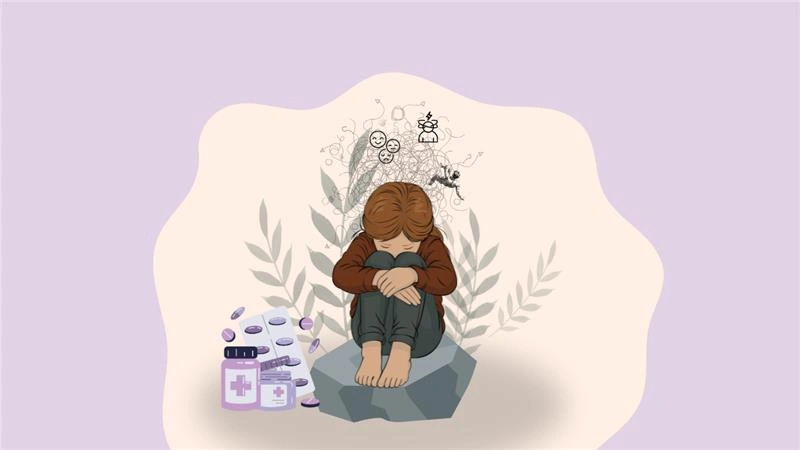
It is 8 AM in a morning. The pill is right there next to your coffee. You take it. Same as yesterday. Same as the day before.
You wait to feel different. You keep waiting.
Three months in and the tiredness has not lifted. The wall between you and everything happening around you is still standing. And the thought that hurts the most is not the exhaustion. It is the feeling that you must be doing something wrong.
That maybe if you were just stronger, less lazy, or tried harder, the medication would finally kick in, and things would go back to normal. So, you keep taking the pills. You keep waiting. Nothing really changes. And the question becomes harder to ignore. Does an antidepressant not working mean something inside you is actually broken?
If you’re feeling this right now, I get it. I really do. Plenty of people are feeling exactly the same way. We just don’t talk about it.
Here’s what I found out: the problem usually isn’t that you’re broken. It’s that nobody ever told you what actually needs to happen for medication to work.
Why Nothing Seems to Change Even Though You’re Taking Your Pills
You wake up. Take the medication. Go about your day. Go to bed. You repeat.
And nothing shifts. You’re still exhausted. Still feeling numb. Still wondering why this isn’t working.
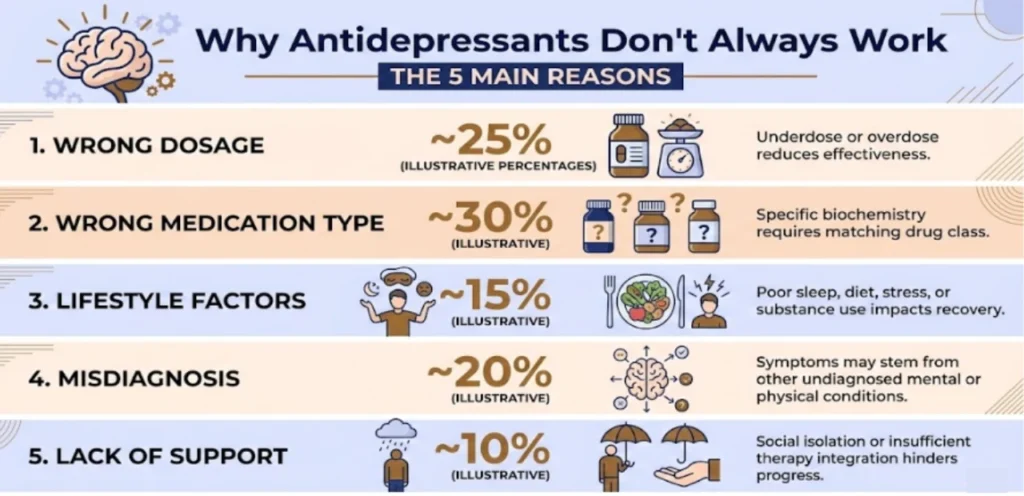
The thing nobody really explains is that your pill is only doing like half the work. Maybe less than half. What you’re doing the other 23 hours of the day? That matters just as much as what’s in the bottle.
Is It Your Dose or Your Medication?
Sometimes your dose is way too low, or it could actually be too high and that’s why you feel weird. Sometimes your body just needs more time, or that the medication your doctor picked isn’t the right one for how your brain actually works.
With medication management for depression, your doctor needs to check in regularly. If they’re not, that’s worth bringing up.
But honestly, a lot of the time the medication isn’t the problem at all. Your daily habits are actually working against it.
I know that sounds frustrating. It is. But it’s also good news. Because that’s the part you can actually control.
If you’re struggling with medication management for depression, get a professional evaluation. Learn more about treatment options at Beautiful Minds Psychiatry, Frisco.
Your Sleep Is Making or Breaking Your Recovery
Let’s be real. When you’re depressed, sleeping is weird.
You’re either lying awake at 2 AM thinking about random stuff, or you sleep for 12 hours and still wake up feeling like you got hit by a car. Either way, you feel like garbage.
And here’s the thing. Depression and bad sleep feed each other. They’re buddies. Bad sleep makes depression worse. Depression makes sleep impossible. It becomes this cycle where nothing helps until you actually break it.
The medication can’t fight both battles at the same time. You have to help it out.
7 Proven Ways to Actually Make Antidepressants Work
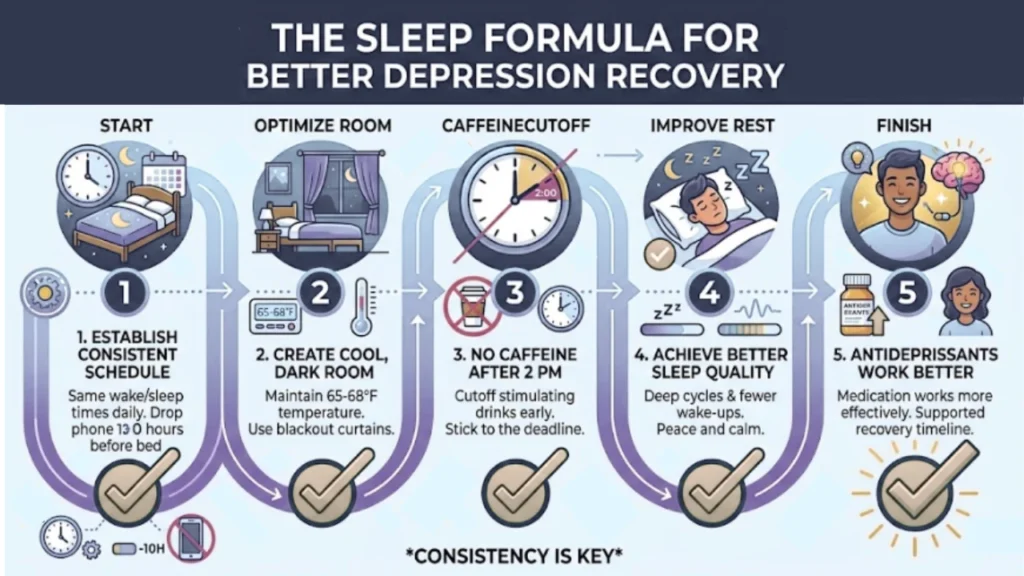
1. Getting Sleep Right Starts with Consistency
Just pick a bedtime and wake time and actually do it every single day. Even weekends. Your brain is actually begging for routine. It wants to know when it’s supposed to wind down. That matters way more than people realize.
Stop being on your phone an hour before bed. I know, I know. But that blue light stops your brain from making melatonin. The melatonin is what helps you actually sleep. Put your phone in another room. Just do it.
Keep your room cold. Like 65 to 68 degrees. Darkness too. Your brain knows how to make melatonin naturally if you give it the right conditions.
And caffeine. Don’t have it after 2 PM. It sounds dumb but over two weeks or three weeks, it actually adds up. You’ll sleep better and your medication will have a way better shot at working.
When finally, the sleep gets fixes, the medication starts actually doing something. The mood won’t bounce around so much. You had actual energy.
2. Moving Your Body Does Something Your Medication Can’t Do Alone
Okay so nobody’s going to tell you that exercise is basically free medicine.
When you exercise, your brain releases endorphins. It also increases something called BDNF, which basically helps your brain rebuild itself after depression damages it. It works with your medication. They’re on the same team.
You don’t need to be at the gym for two hours. That’s not realistic when you’re depressed anyway.
Start Small and Build Momentum
Just walk for 30 minutes five times a week. Seriously. That’s enough. Do it outside if you can.
Lift some weights two or three times a week. You don’t have to be good at it. It just needs to happen. You feel stronger. You feel like you actually did something. Your body makes dopamine. This matters.
Yoga or stretching too. Just 15 minutes. It helps your nervous system calm down. It helps you remember that you actually have a body, because depression makes you feel like you’re just floating somewhere disconnected from everything.
A short walk every morning beats trying to do some crazy workout once a month. Consistency is everything.
I know people who’ve been on antidepressants for years. The ones who move their bodies feel way better than the ones who just sit and wait for the pills to work. That’s not just my opinion. That’s actual science.
Learn about how anti depression medications work best with lifestyle support. Check out our guide on treatment for depression and anxiety.
3. Sunlight Is Basically Free Brain Medicine
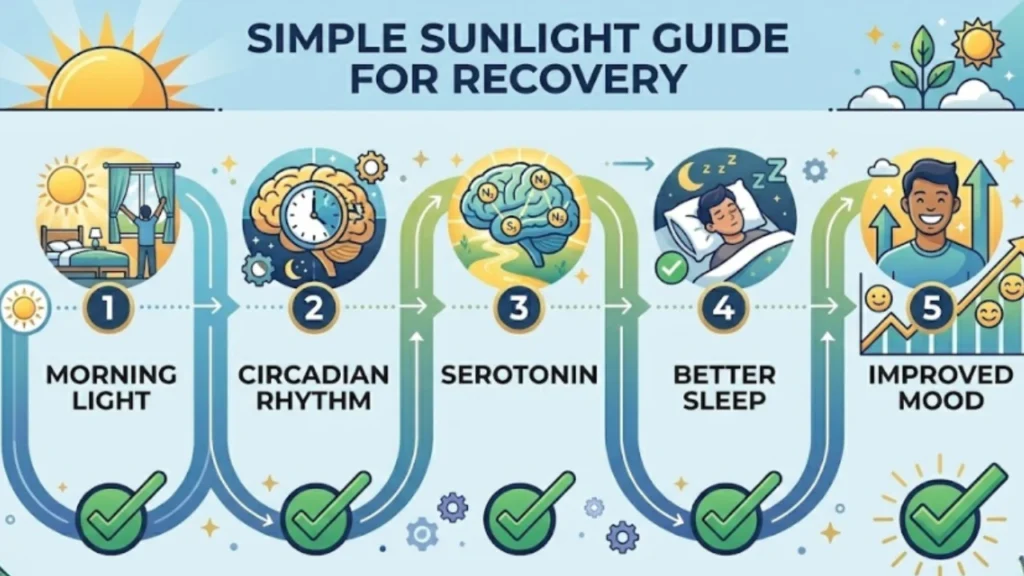
Here’s something I never thought about before. Sunlight isn’t just nice. It’s actually something your brain needs to function right.
Natural light controls your sleep schedule. It tells your brain when to make serotonin during the day. It tells your brain when to make melatonin at night. The sun exposure also gives you vitamin D, which your mood actually depends on at a chemical level.
Getting Outside Changes Everything
Go outside for like 15 or 20 minutes in the morning. Even if it’s cloudy. Even if you don’t feel like it. This tells your body what time of day it is and sets up your whole day.
Spend time outside most days. Aim for 30 minutes of actual natural light. Take walks without your sunglasses on if you can. The light hits your eyes and triggers serotonin production. That’s real. That’s not just positive thinking.
When I started actually going outside instead of hiding in my apartment, things shifted. Not immediately. But over a couple weeks I felt less stuck. The medication started to feel like it was actually doing something.
Depression loves the dark and being alone. Sunlight does the exact opposite.
4. What You Eat Changes How Your Brain Actually Works
Your diet directly affects whether your brain can even make serotonin and dopamine. What you’re eating becomes the actual building blocks of the chemicals your medication is trying to work with.
Protein and Omega 3s Are Your Brain’s Best Friends
Eat protein at every single meal. That’s where amino acids come from. Your brain needs those to make serotonin and dopamine. Eggs, chicken, fish, beans, yogurt. It doesn’t matter which. Just pick something and eat it.
Add fish or walnuts or flax seeds. Omega 3s are real. Studies actually show they help antidepressants work better. It sounds made up but it’s not.
Cut out the sugar and processed stuff. Your blood sugar crashes and spikes and it makes your mood and anxiety worse. You don’t need to be perfect but this stuff matters.
Drink water. Like actual water. Not energy drinks or soda. When you’re dehydrated everything feels worse. Fatigue. Low mood. All of it.
And alcohol. I know people want to drink when they’re depressed. But it ruins your sleep and it stops your antidepressants from working. It’s not worth it.
I’m not saying you have to eat perfectly. But when you change your eating, your medication actually starts working better. This is real.
5. Self-Care Is Actually Medical Care
Shower and Get Dressed Like You Matter
When depression shows up, basic stuff becomes impossible.
Showering sounds exhausting. Changing clothes feels pointless. Why bother if you’re just going to sit in bed all day anyway?
But here’s the thing. That’s depression talking. And it’s lying.
When you shower, something shifts in your nervous system. It’s like a reset. Warm shower in the morning makes you feel awake. Cool shower before bed helps you sleep.
Actually get dressed in real clothes. Not pyjamas. Actual clothes. I know that sounds stupid but it changes how you feel about yourself. It tells your brain that you’re worth taking care of.
Keep your space reasonably clean. Not perfect. Just like liveable. A messy room makes everything feel worse.
Brush your teeth. Wash your face. I know these sound tiny. They are tiny. But they’re acts of saying to yourself that you matter. And that matters.
When you start doing these things, the medication started working better. Because now your brain wasn’t also fighting against feeling disgusting and hopeless about yourself.
6. Connection Isn’t Optional, It’s Essential
People Need to Happen for This to Work
Depression says: stay home. Nobody wants to see you. You’re too tired.
It’s easier to believe that. But isolation is depression’s best friend. Seriously.
Even small connection helps. Text someone. Have coffee with someone. Go to one event. Join something like a walking group or book club. Support groups work too. Knowing other people feel this way makes it feel less shameful.
If you’ve been isolated for months. Real months. And everything kept getting worse, then you finally start seeing people again, even just quick coffee dates, and your mood shifts. Suddenly it actually feels like the medication is doing something.
Your antidepressants help your brain chemistry. Being around people helps your nervous system feel safe. Both matter.
According to research, social support significantly improves treatment outcomes for depression and anxiety. Learn more about therapy depression counselling options with certified experts at Beautiful Minds, Frisco TX.
7. Managing Your Stress Means Your Medication Can Actually Do Its Job
When you’re stressed all the time, your medication is basically fighting a losing battle.
Your nervous system is constantly activated. The body is releasing cortisol and adrenaline. Your medication is trying to work but your stress response is working against it.
Simple Practices That Actually Work for Stress Management
Take five minutes and just breathe. Breathe in for 4 counts, hold for 4, breathe out for 6. That actually calms your nervous system down. Do it.
Try meditation or mindfulness. Even 10 minutes. Apps like Headspace actually help. It sounds cheesy but it rewires how your brain handles stress.
Write stuff down. Just get your thoughts out of your head and onto paper. It reduces their power. You don’t have to be good at writing.
Stop checking work emails at night. Stop scrolling Instagram for an hour. You decide what stays in your life.
Go to nature. Trees and water actually calm your nervous system at a biological level. Not just mentally. Actually.
When you start managing your stress instead of just letting it control you, the medication finally starts to work.
Why Medication Alone Isn’t the Whole Answer
Taking your pill is just the beginning.
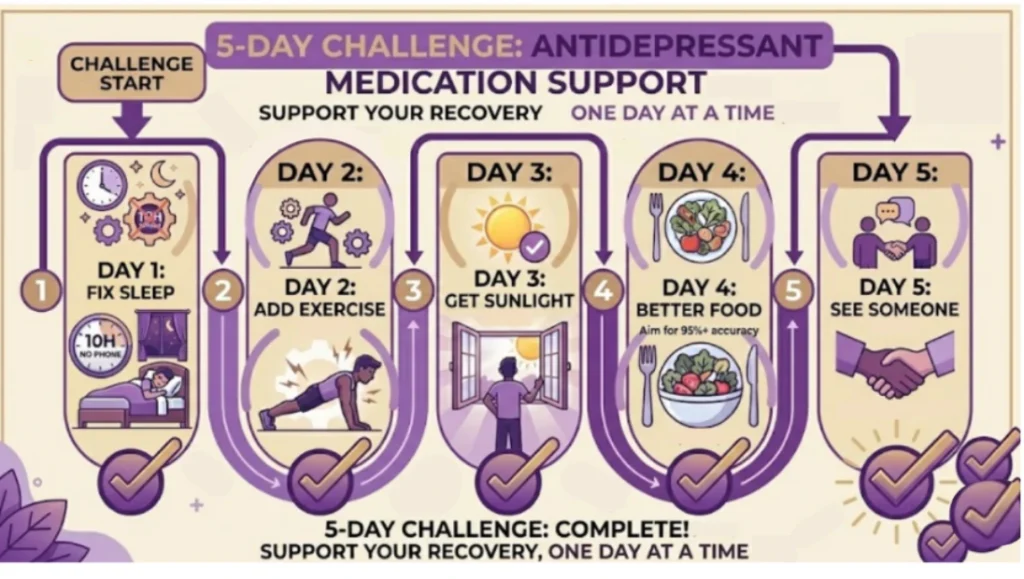
Medication can open the door, but you still have to walk through it. That means sleeping well, moving your body, getting some sunlight, eating real food, spending time with people, and learning how to manage stress.
When those pieces start coming together, the medication has something to work with. When they don’t, it can feel like the medication isn’t doing anything at all.
The good news is that a lot of those things are actually in your control. Medication can help balance your brain chemistry, but your day-to-day habits are what build real recovery over time.
If you’re in Frisco, Plano, or McKinney and feeling stuck, Beautiful Minds Psychiatric can help. We don’t just hand you a prescription and send you on your way. We look at the bigger picture, helping with medication management for depression while also supporting treatment for depression and anxiety with real lifestyle guidance.
Start somewhere. Fix your sleep. Go for a walk. Call someone. Talk to a professional.
You don’t have to do everything at once. Just start.
Questions People Actually Ask About This Stuff
No, you’re not broken. Six weeks is actually early. Some people need eight to twelve weeks for medication management for depression to show real results. Talk to your doctor about your antidepressant dosage and whether it needs adjusting. Check in with them. That’s what they’re there for.
Therapy helps most people way more than just medication alone. Drug treatment for depression works better when you’re actually doing therapy too. Therapy teaches you how to actually deal with stuff. Meditation and therapy combined actually addresses the whole thing. Treatment-resistant depression especially responds better when you combine medication management for depression with actual therapy.
That’s something a doctor or therapist needs to figure out. Sometimes what looks like depression is actually an anxiety or trauma or even a medical thing. A real evaluation should check for medical issues and look closely at your specific situation. This matters because treatment for depression and anxiety is different. Get properly diagnosed before you commit to any antidepressant dosage.
For some people, non-drug depression treatment genuinely works. Sleep and exercise and sunlight and all of that can really help. For other people, they need medication. Depends how bad it is and how your brain works. Usually, the best approach is both.
Then you probably have treatment-resistant depression. Your doctor might need to try a different approach or combine medications or look at other options. Sometimes non-drug depression treatment combined with medication works. Sometimes there are other specialized treatments. Your psychiatric need to pay attention to your specific situation.
When You Actually Need to Talk to a Doctor About This
Sometimes you do everything right and your antidepressant still isn’t working.
Maybe you’ve tried a bunch of different medications, and nothing helps. That’s called treatment-resistant depression. It sounds scary. It’s not. It just means your situation is more complex and needs more attention.
Professional Evaluation Changes Everything
Maybe you actually have misdiagnosed depression. Like maybe it’s really anxiety. It could be something else going on, or even a medical condition making things worse.
Your antidepressant dose might need to be adjusted, you might benefit from therapy alongside the medication, or it could turn out that you need a completely different approach.
Talk to someone qualified. A real doctor or therapist. Not a WebMD search or Reddit thread. A person who can actually evaluate what’s happening and help you figure out your next step.
The point is you shouldn’t be stuck forever. If your antidepressant isn’t working after you’ve given it real time and done the lifestyle stuff, something needs to change. That’s what a good doctor does. Talk to an expert at Beautiful Minds Psychiatry.
Disclaimer: This content is for informational and educational purposes only. It is not a substitute for professional mental health advice, diagnosis, or treatment. If you are in crisis, call or text 988 for the Suicide and Crisis Lifeline.