Seasonal Depression in Texas: What to Know Before You Diagnose SAD in DFW

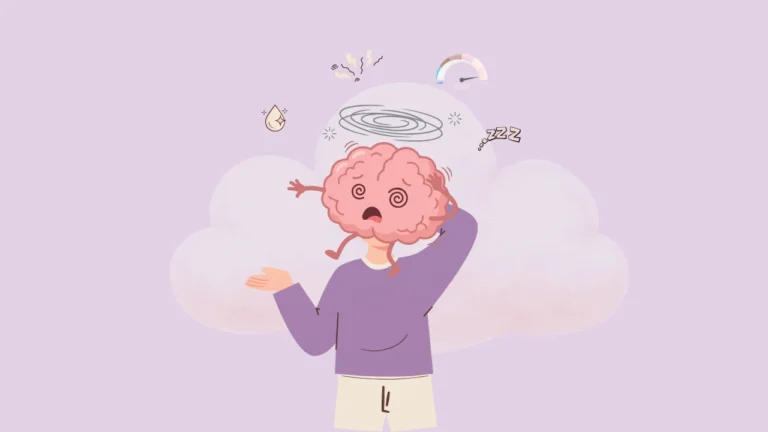
Texas winters are not what most people picture when they think of seasonal depression. There is no six-month snowstorm. The sun still shows up most days. And yet, every year when November hits, and December rolls through, a significant number of people across Dallas-Fort Worth quietly start falling apart.
Motivation disappears. Sleep becomes either too much or not enough. The holidays feel heavier than they should have. January arrives and instead of a fresh start, everything just feels flat and gray and hard to explain to anyone around you.
This is not a weakness. This is not an ingratitude. For a lot of people, this is what it looks like to diagnose SAD before you even know that is what you are dealing with. Understanding what is actually happening is the first step toward feeling better.
Key takeaway:
- Why seasonal depression happens even in a sunny state like Texas
- How to tell the difference between SAD and regular depression
- What treatment looks like beyond just waiting it out
- When lifestyle changes are enough, when professional help is the right move
- Where to find real support in the DFW area
What Seasonal Affective Disorder Actually Is
Seasonal Affective Disorder is a type of depression that follows a seasonal pattern. For most people it shows up in late fall, peaks through winter, and lifts on its own as days get longer in spring. It is not the same as feeling a little off after the holidays. It is a real clinical condition with neurological roots that go deeper than just not loving cold weather.
The American Psychiatric Association describes SAD as a pattern of major depressive episodes that arrive at the same time each year, with full remission between seasons. That repeating pattern across at least two years is what separates it from general depression.
Serotonin is the brain chemical most directly involved. Reduced daylight pulls serotonin levels down, and that directly affects how your mood holds together. Melatonin production also shifts in winter, throwing off sleep in ways that make everything feel harder to manage. Your body is simply responding to less light, and that response is biological, not personal.
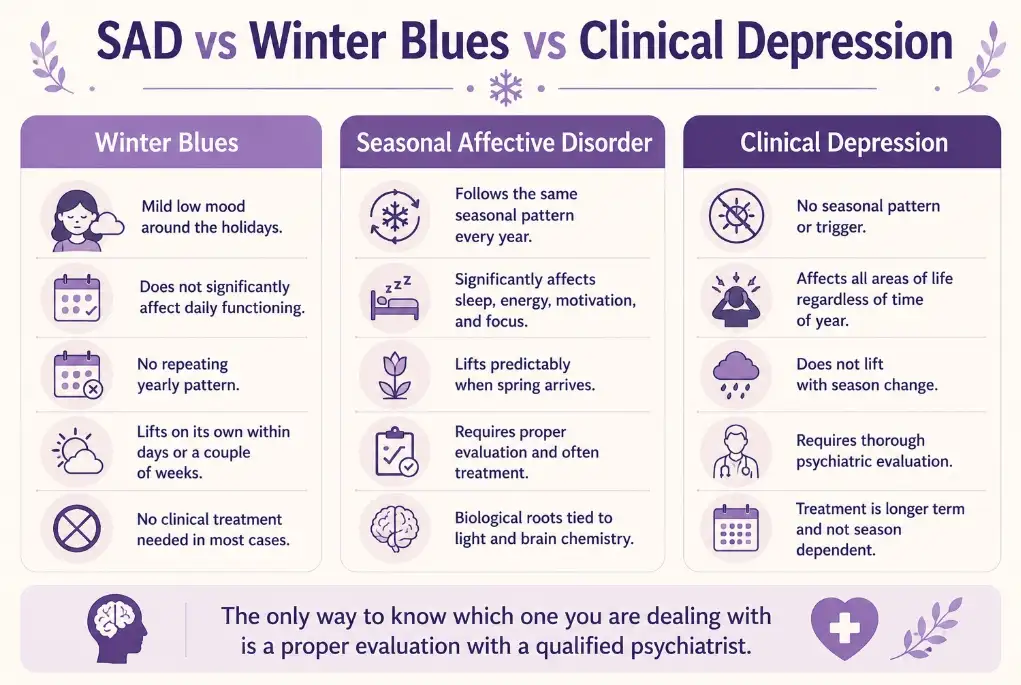
The Difference Between SAD and Depression
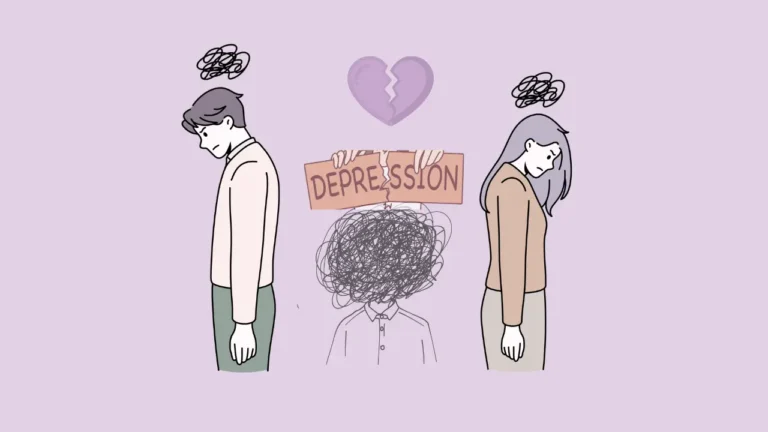
This is where a lot of people get genuinely confused, and it makes sense that they do. The difference between SAD and depression is not always obvious because the symptoms look almost identical on the surface.
Both involve low mood, fatigue, loss of interest, and trouble concentrating. What separates them is the pattern. SAD follows the calendar. It arrives around the same time each year and then it lifts. Standard depression does not follow that rhythm. It can land at any point and stay without any seasonal trigger pushing it along.
Low energy in winter is one of the earliest signs people notice, but low energy in winter alone does not confirm SAD. The real questions are whether it repeats every year, whether it clears up when spring arrives, and whether it is severe enough to genuinely get in the way of how you function day to day.
A proper evaluation with a psychiatrist is the only way to know what you are actually dealing with. Guessing and managing the wrong thing can mean months of going in the wrong direction entirely.
Why Texas Is Not as Protected from SAD as People Assume
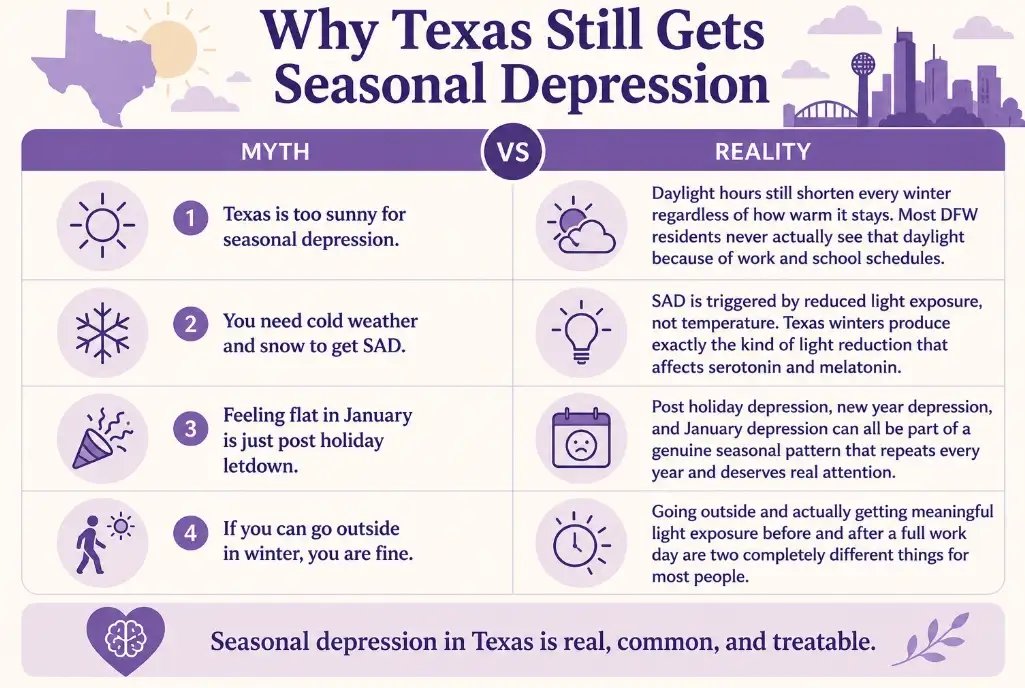
A lot of people assume that living somewhere sunny means seasonal depression cannot touch them. That assumption does not hold up under much pressure.
Texas gets more winter sun than states up north, but the shift in daylight still happens every single year. Days still get shorter. People still end up spending far more time indoors. Work schedules, school pickups, and commutes mean that a significant portion of DFW residents leave the house before sunrise and get home after dark, regardless of how many sunny hours technically passed in between.
Post-day depression and new year depression pile on top of the seasonal biology in ways that hit harder than people expect. The weeks after Christmas carry their own particular weight. The structure of the holiday season disappears overnight, social connection drops off sharply, financial stress from December spending lands in January, and the pressure of a new year that is supposed to feel hopeful often makes the flatness feel worse by comparison.
January depression in DFW is real, and it is far more common than people talk about. The fact that it arrives without snow does not make it any less valid or any less worth addressing.
What Treatment for Seasonal Depression Actually Looks Like
The good news is that seasonal depression responds well to treatment, and most people see real improvement when the right combination clicks into place.
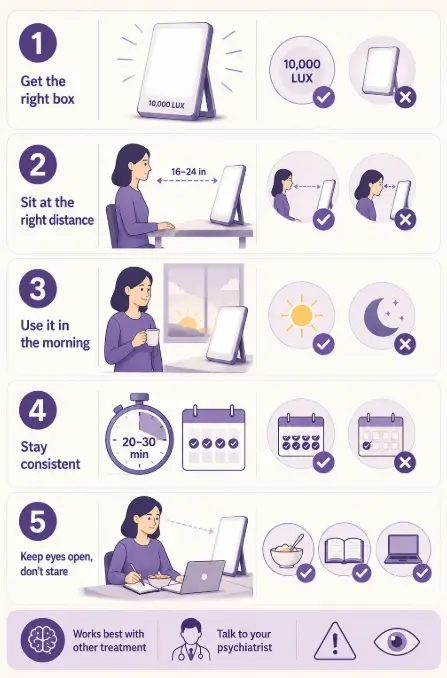
Light therapy is one of the first-line treatments for SAD. How you use it matters more than most people realize. The Mayo Clinic recommends sitting about 16 to 24 inches from a 10,000 lux light therapy box for around 20 to 30 minutes each morning. Using it too late in the day can mess with your sleep, so timing counts.
Wellbutrin for seasonal depression is the only antidepressant with FDA approval specifically for preventing SAD. It targets dopamine and norepinephrine rather than serotonin, and for people with moderate to severe symptoms, it can genuinely change how they move through winter.
Antidepressants for seasonal depression more broadly, SSRIs included, come into play when light therapy alone is not cutting it. Your psychiatrist will work out which option fits your specific history, presentation, and anything else going on alongside the seasonal pattern. Antidepressants for seasonal depression are not one-size-fits-all, and that conversation belongs with someone who knows your full picture.
Vitamin D gets the most attention in seasonal depression conversations, partly because low levels show up frequently in people with depression and partly because winter cuts down on sun exposure. The National Institutes of Health notes that vitamin D plays a real role in brain function, though research on using it as a standalone treatment is still building. Worth bringing up with your provider, but not something to lean on by itself.
Cognitive behavioral therapy adapted specifically for SAD also has strong evidence behind it. It goes after the thought patterns and the behavioral withdrawal that quietly make seasonal depression worse the longer it goes unaddressed.
When Seasonal Depression Overlaps with Other Things
SAD does not always arrive cleanly on its own. For women in their 40s, menopause anxiety symptoms can make the picture significantly more complicated. Hormonal shifts during perimenopause affect the same brain chemistry that seasonal changes are already pulling at. When both things are happening at the same time, symptoms can feel more intense and a lot harder to pin to a single cause.
Getting an evaluation that looks at both the seasonal pattern and the hormonal picture matters. Treating one without the other tends to produce partial improvement at best, and partial improvement is not the goal.
People with a history of anxiety, ADHD, or other mood conditions also tend to experience seasonal depression differently. The overlap calls for a provider who takes the whole picture into account rather than treating each thing like it exists in its own separate box.
Finding Help in Dallas-Fort Worth
If you are in the Dallas area and what you have read here sounds like your life every winter, real support is closer than you might think.
Behavioral health Dallas providers who specialize in mood disorders can offer the kind of thorough evaluation that separates seasonal depression from other conditions and builds a treatment plan that fits your real life. Searching for depression treatment Dallas TX will give you a long list of options, but the quality of care varies a lot. What you are looking for is a provider who asks about your pattern across multiple years, not just how you are feeling right now.
A psychiatrist Frisco TX can offer both medication management and coordination with therapy, which tends to be the combination that works best for seasonal depression. Telehealth options have made getting an evaluation significantly more realistic without adding another logistical burden to an already heavy time of year.
NAMI Texas at namiTexas.org also offers local support groups and resources for people working through depression in the DFW area, and that kind of community support can be a meaningful addition to professional treatment.
Frequently Asked Questions
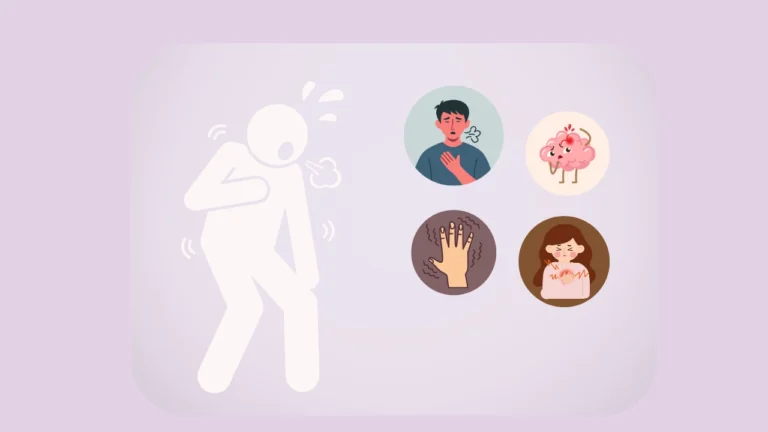
Menopause anxiety symptoms show up differently than regular anxiety and that is exactly why so many women miss them. Your heart races for no clear reason. Sleep falls apart even when you are exhausted. Irritability hits out of nowhere and feels impossible to explain. Brain fog makes simple tasks feel surprisingly hard. Some women also experience panic attacks for the first time in their lives during this period. If any of this sounds familiar and you are in your 40s, hormonal shifts are likely a big part of what is driving it.
Give yourself permission to stop pretending January should feel excited. Get back to a basic routine as quickly as possible, consistent sleep, regular meals, and some movement every day. Reach out to one person instead of waiting to feel social. If the flatness does not lift within two to three weeks, talking to someone is the right next step.
Wellbutrin is currently the only antidepressant with FDA approval specifically for seasonal depression. SSRIs are also commonly used. A psychiatrist Frisco TX residents trust can help figure out which option actually fits your specific situation.
Low energy in winter is your body responding to less light. Morning light therapy, consistent sleep timing, daily movement, and cutting back on alcohol genuinely help. If low energy in winter keeps hitting you every single year, a proper evaluation is worth it.
Sadness is tied to something specific and fades. Depression follows you everywhere regardless of what is happening around you.
Getting Support at Beautiful Minds TX
If you are in the Frisco or greater Dallas area and this has felt like your life every single winter, you do not have to keep pushing through it until spring arrives to save you.
Beautiful Minds TX offers comprehensive psychiatric evaluations for people dealing with seasonal depression, mood disorders, and the conditions that tend to show up alongside them. Both telehealth and in-person appointments are available, so getting help does not have to mean turning your already difficult January completely upside down.
Disclaimer: This content is for informational and educational purposes only. It is not a substitute for professional mental health advice, diagnosis, or treatment. If you are in crisis, call or text 988 for the Suicide and Crisis Lifeline.