ADHD Adult Woman: What DFW Women Need to Know After 30
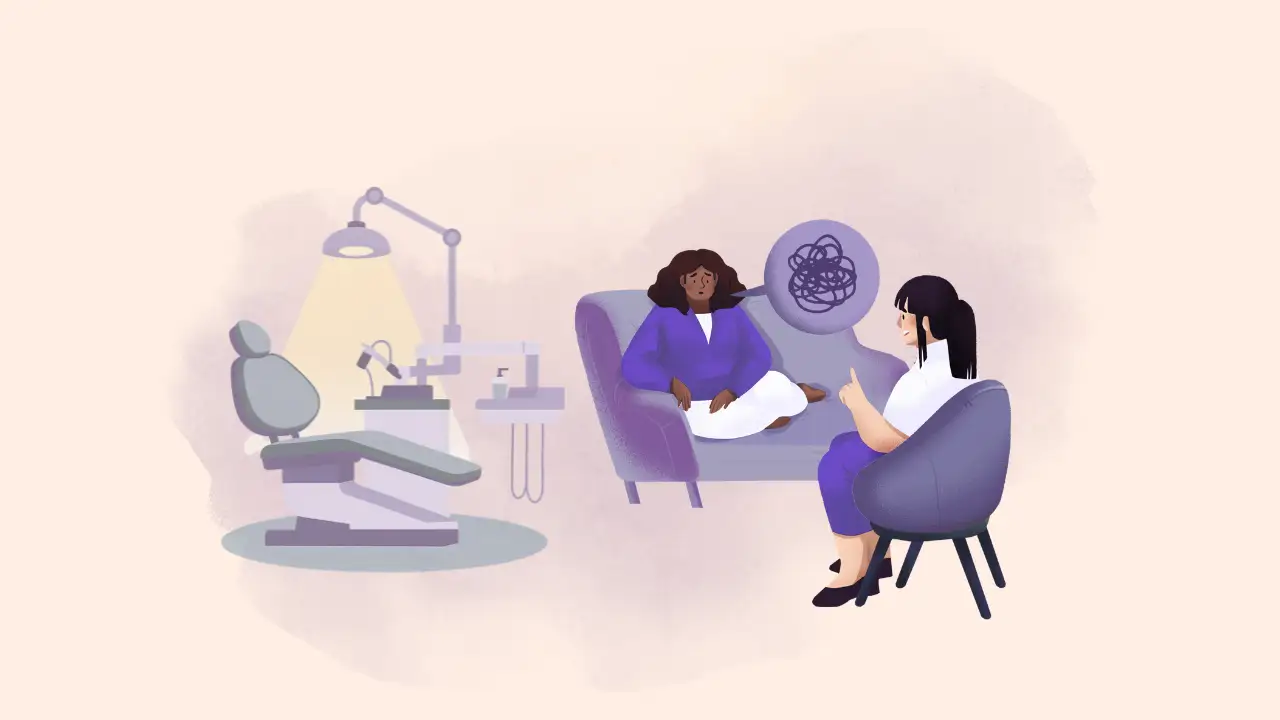
A woman who is running a household, managing a career, showing up for everyone around her. She had always been told she was smart but scattered. Creative but disorganized. Passionate but hard to pin down. Nobody ever said ADHD. Nobody ever thought of looking.
For a lot of adhd in adult woman stories in DFW, that is exactly how it starts. Not with a dramatic breakdown but with a slow accumulation of struggling harder than everyone else seems to and never quite understanding why.
This blog is for every woman who has quietly wondered if something more is going on.
Key takeaway:
- Why ADHD in adult women looks completely different from what most people expect
- How hormones, masking, and late diagnosis connect for women specifically
- What the real signs and symptoms of ADHD in adult women look like day to day
- Why so many women get misdiagnosed with anxiety or depression first
- What getting evaluated and treated involves in Frisco and DFW
Why ADHD in Women Stays Hidden for So Long
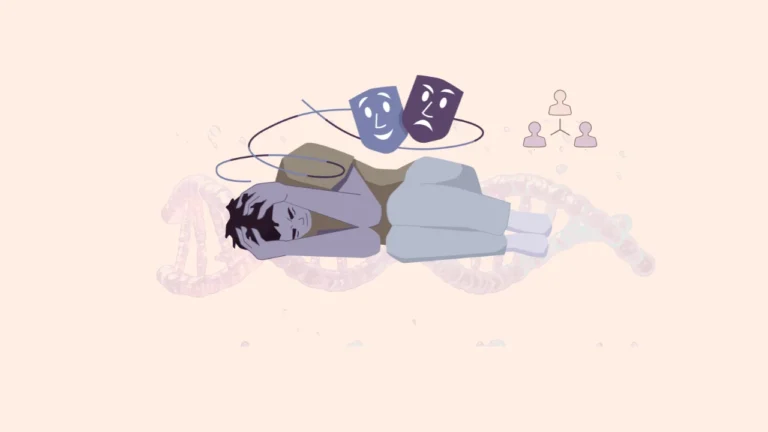
The image most people carry of ADHD is a young boy who cannot sit still in class. That image has done a significant amount of damage to the millions of women who grew up sitting very still, appearing completely fine on the outside, while their brain quietly worked overtime just to keep up.
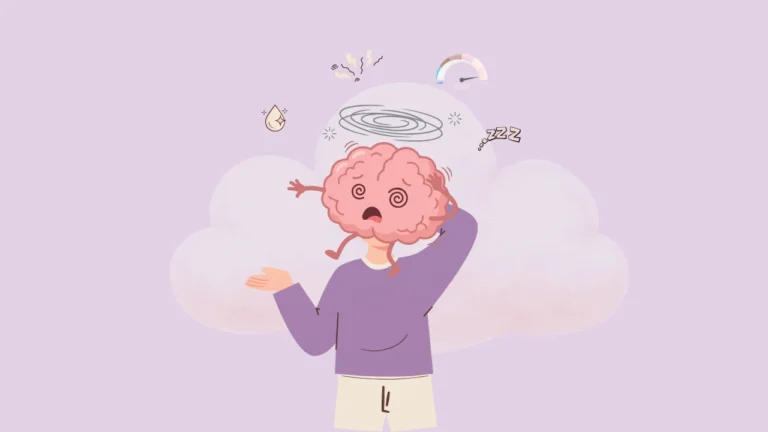
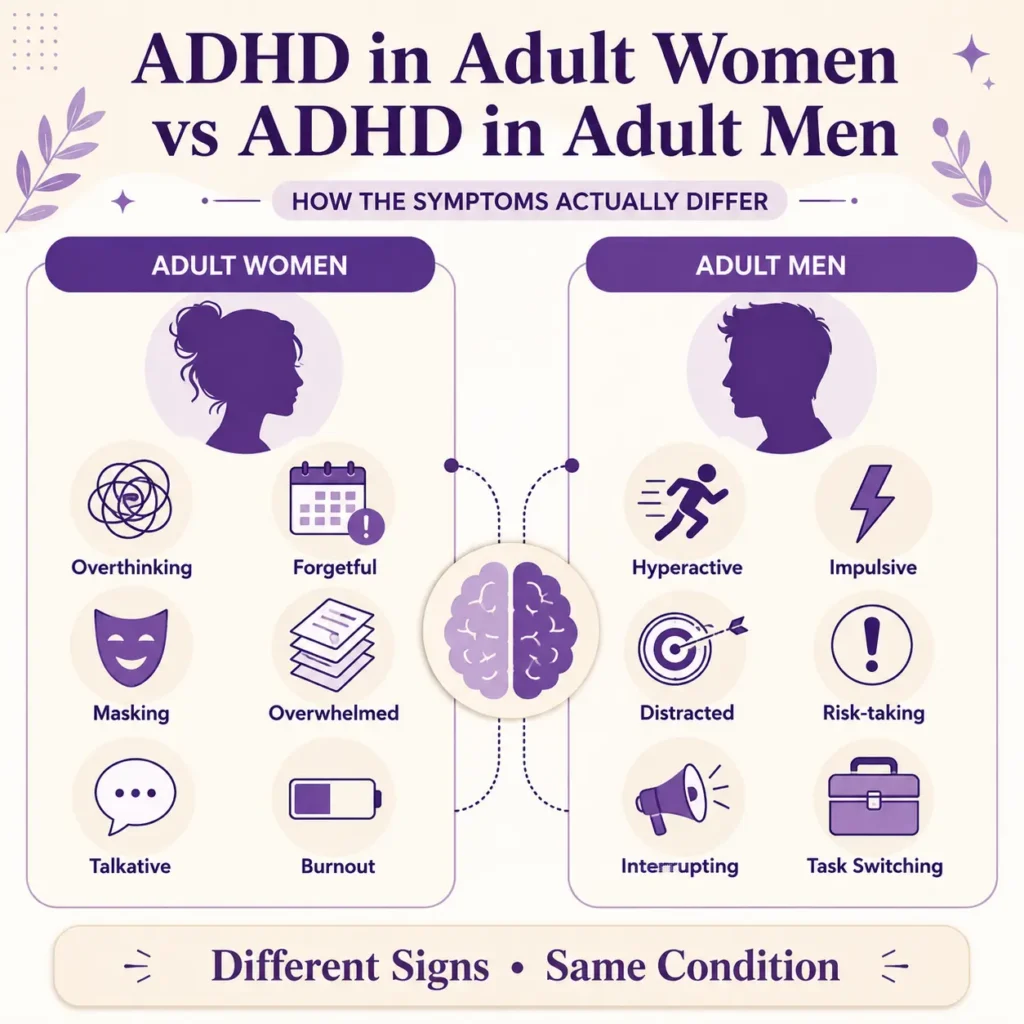
Women ADHD presentations tend to look inward rather than outward. The hyperactivity shows up as racing thoughts, not running around the classroom. The impulsivity shows up as saying too much in a conversation, not throwing things across the room. The inattention shows up as losing track of time, forgetting important details, and feeling perpetually behind despite trying harder than anyone around them realizes.
Girls learn early to mask. They develop workarounds, coping strategies, and social skills that hide how much effort everything takes. By the time they reach adulthood, the masking is so automatic they do not even recognize they are doing it. They just know they feel exhausted in a way that makes no sense given how much they actually sleep.
Most women with ADHD spend years, sometimes decades, hearing that they have anxiety or depression, or that they just need to get more organized. Some of those diagnoses are not wrong. They are just incomplete.
What the Real Signs and Symptoms of ADHD in Adult Women Look Like
Forget the checklist of a distracted child. The signs and symptoms of ADHD in adult women are specific, persistent, and often hidden inside behaviors that look like personality traits rather than a neurological condition.
Do I have ADHD women is one of the most searched questions by women in their 30s and 40s, and the reason is usually a combination of the same experiences showing up again.
Time disappears without warning. You start with one clear goal and an hour later you have pulled yourself three tasks deep into something completely different and never touched the original thing at all. Conversations drift away from you mid-sentence. You forget what someone said thirty seconds after they said it, not because you were not listening but because something else caught your attention at exactly the wrong moment.
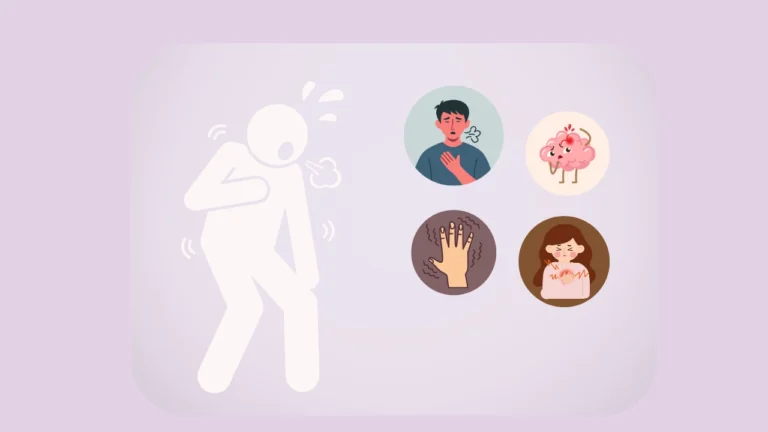
Emotional regulation is harder than it looks from the outside. Small frustrations land bigger than they should. Criticism stings in a way that lingers long after the moment has passed. The fear of getting something wrong can be paralyzing enough to stop you starting it at all.
Executive function, which is the brain’s system for planning, prioritizing, and starting tasks, is where ADHD symptoms in women adults tend to be most disruptive. The to-do list is clear. The intention is genuine. The ability to begin is just not there, and the shame that follows that gap is something a lot of women carry quietly for years.
ADHD and Hormones: The Connection Nobody Warned You About
One of the most significant reasons ADHD adult woman presentations are so variable and so often missed is the role that hormones play in how ADHD symptoms show up day to day.
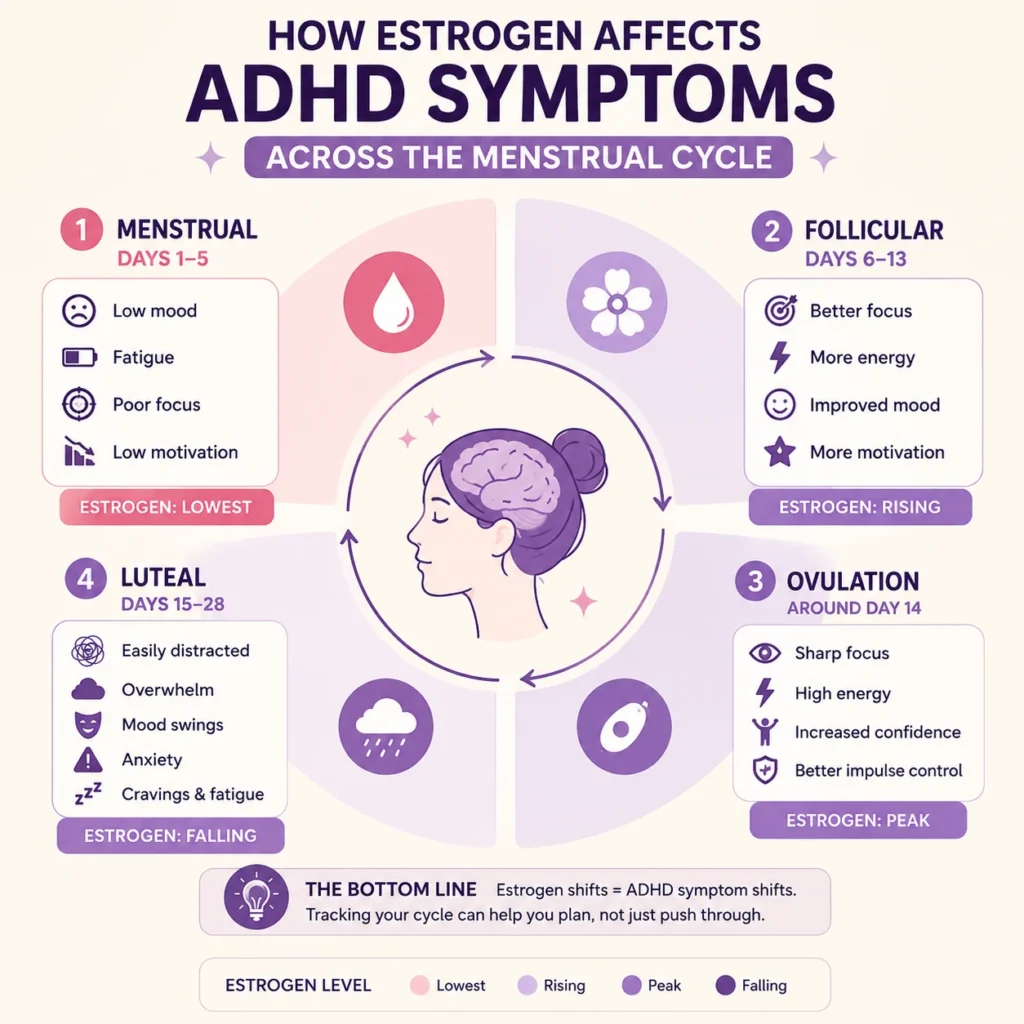
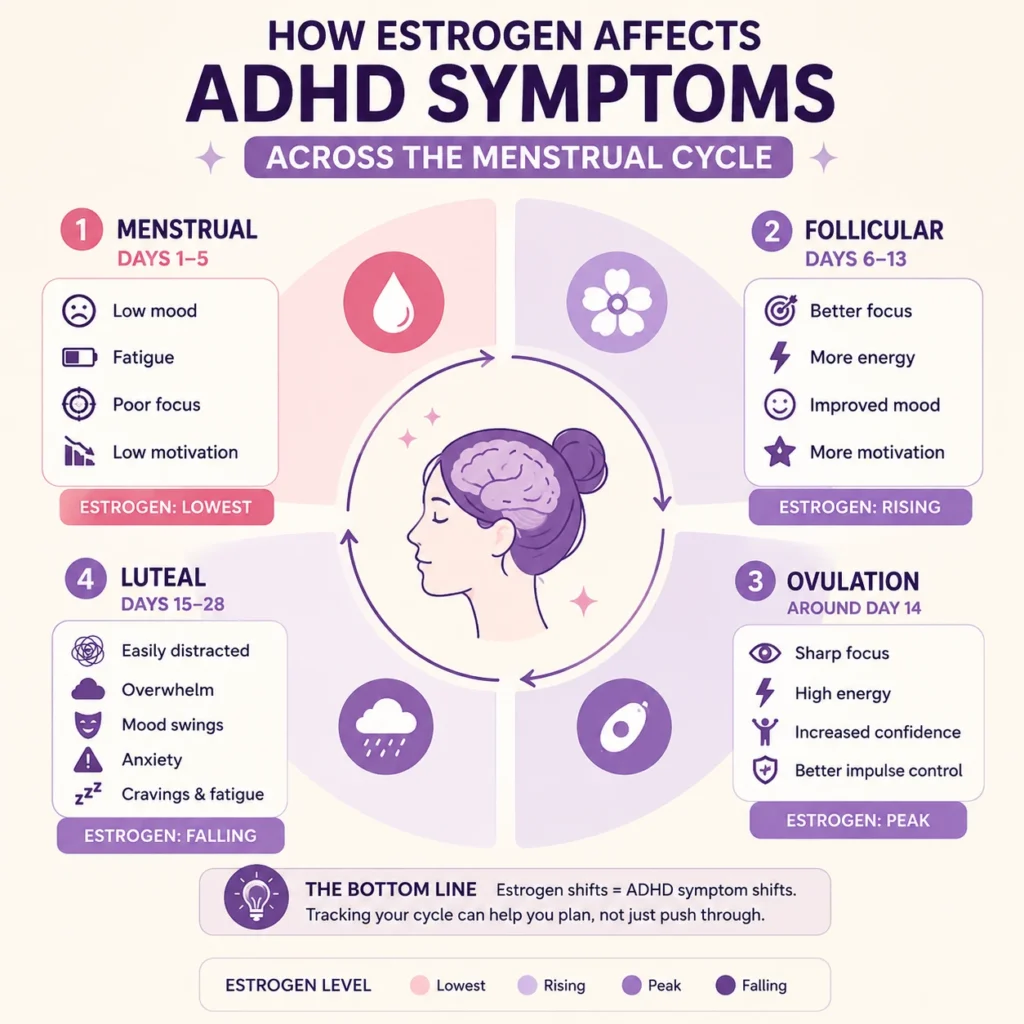
The ADHD and menstrual cycle connection is real and documented. Estrogen supports dopamine function in the brain, which is the same system that ADHD affects. When estrogen drops in the days before a period, ADHD symptoms tend to spike noticeably. Concentration gets harder. Emotional regulation gets worse. The medication that worked fine last week suddenly feels like it is not doing anything.
A lot of women describe their worst ADHD days clustering in the week before their period without ever having connected the two. Some have their ADHD diagnosis adjusted multiple times before someone thinks to ask about cycle patterns.
This connection also explains why so many women first seek help in their late 30s and 40s. Perimenopause brings significant hormonal fluctuation, and for women with undiagnosed ADHD, that fluctuation can push symptoms from manageable to genuinely unmanageable in a relatively short period of time.
ADHD and Motherhood: The Combination Nobody Prepares You For
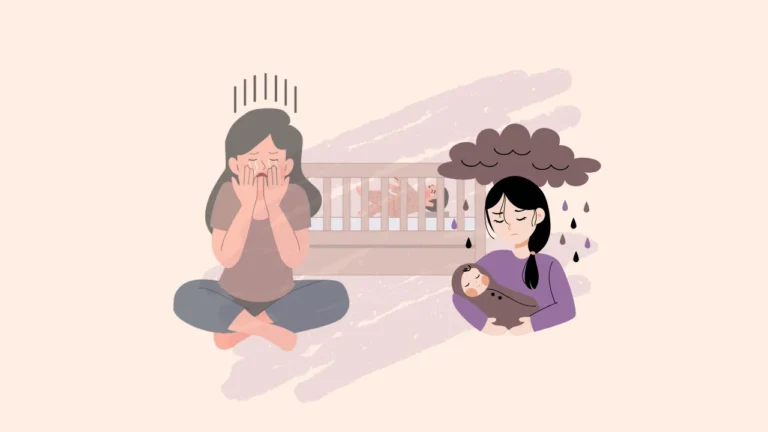
ADHD and motherhood sit together in a way that is genuinely difficult and genuinely undertalked about. Parenting demands exactly the executive function skills that ADHD makes hardest. Keeping track of schedules, managing transitions, staying on top of a household, regulating your own emotions while also managing a child’s emotions, all of it.
Women with undiagnosed ADHD often describe motherhood as the point where everything fell apart. Not because they are bad mothers but because the demands finally exceeded the coping strategies they had built up over a lifetime. The structure that used to hold things together disappears when you have children, and that is exactly when undiagnosed ADHD tends to announce itself loudly.
The guilt that follows is significant. Women internalize the difficulty as a personal failure rather than a neurological one. Getting a diagnosis does not erase the hard years but it does reframe them, and that reframing matters more than most people expect.
ADHD Body Doubling and Why It Actually Works
ADHD body doubling is one of those things that sounds strange until you try it and then it makes complete sense. Body doubling means working alongside another person, physically or virtually, not for help with the task but simply for the presence of another human being.
For reasons that are still being studied, the presence of another person helps the ADHD brain stay regulated and on task in a way that working alone simply does not. It is not about accountability in the traditional sense. It is about the nervous system having something to anchor to.
Virtual body doubling through apps, video calls, or online co-working communities has made this accessible in a way it never used to be. A lot of women with ADHD describe it as one of the most practically useful things they have added to their routine.
ADHD and Therapy, What Actually Helps
ADHD and therapy work really well together, but the therapy needs to actually build itself around ADHD and not just fall back on general counseling. Cognitive behavioral therapy adapted for ADHD targets the specific patterns that make daily functioning hard, task initiation, time management, emotional regulation, and the deeply ingrained negative self-talk that builds after years of struggling without understanding why.
Therapy also addresses the grief that often comes with a late diagnosis. A lot of women need space to process what it means to look back at their lives through a new lens. The relationships that struggled, the opportunities that slipped, the years of wondering what was wrong with them. That processing is real and it matters.
ADHD coaching is another option that sits alongside therapy rather than replacing it. Coaching focuses on practical strategies and accountability in a structured way that suits how the ADHD brain functions.
FAQ’s
Racing thoughts, chronic disorganization, time blindness, emotional dysregulation, and difficulty starting tasks despite knowing exactly what needs to be done. Less hyperactivity, more internal overwhelm.
Estrogen supports dopamine function the same system ADHD disrupts. When estrogen drops before a period, concentration gets harder, emotional regulation worsens, and medication can feel less effective than usual.
Because ADHD in women tends to look inward. The restlessness, overwhelm, and emotional dysregulation closely mirror anxiety and depression symptoms, and most clinicians are not trained to look further.
Absolutely. Many women are diagnosed during perimenopause when hormonal shifts push previously manageable symptoms past the point of coping. A late diagnosis is still a valid and life-changing one.
Body doubling means working alongside another person physically or virtually not for help but for presence. Many women with ADHD find it significantly easier to stay on task with another person nearby, even on a silent video call.
Getting Evaluated in Frisco TX
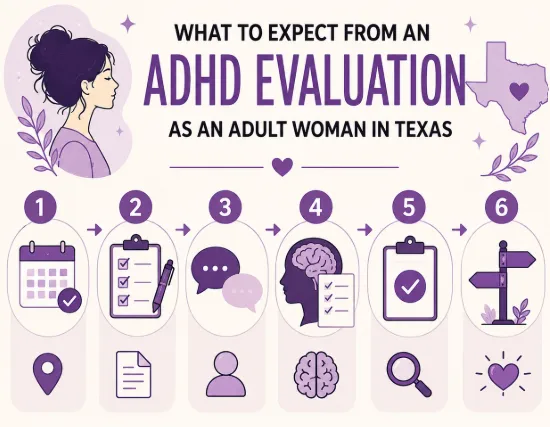
If any of this has felt familiar, an evaluation is the next reasonable step. At Beautiful Minds TX, Dr. Humera Chowdhary and Dr. Naveed Khokhar work specifically with adult women navigating ADHD and the conditions that tend to show up alongside it.
A psychiatrist Frisco TX appointment with our team means your full history gets looked at properly, including whether anxiety or depression is sitting in the picture alongside ADHD. Their evaluations look at all of it together rather than treating each thing in isolation.
Telehealth appointments are available, so getting evaluated does not require taking a full day off work or finding childcare. An appointment can happen from your home, around your actual schedule.
Disclaimer: This content is for informational and educational purposes only. It is not a substitute for professional mental health advice, diagnosis, or treatment. If you are in crisis, call or text 988 for the Suicide and Crisis Lifeline.