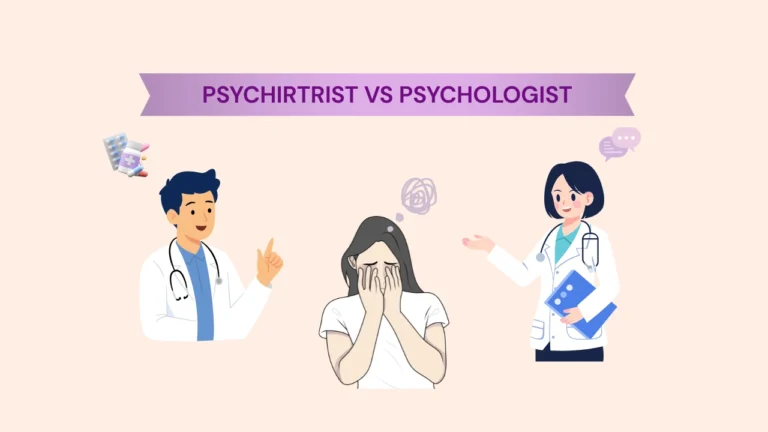
How to Prepare for a Psychiatrist Frisco Texas Appointment

Booking your first appointment with a psychiatrist in Frisco, TX, can feel overwhelming, but taking that first step is something to be proud of. Most people feel anxious simply because they don’t know what to expect.
The good news is that a first psychiatric visit is usually a conversation focused on understanding your symptoms, concerns, and goals. This guide will help you prepare, know what questions to ask, and feel more confident walking into your appointment.
Key Takeaway:
- If your mental health is affecting your daily life, it’s time to see a psychiatrist.
- A psychiatric evaluation is an open conversation designed to understand your needs.
- Bring a list of your symptoms, medications, and questions to get the most from your visit.
- Be honest about your thoughts and experiences, even the difficult ones.
- Before you leave, understand your treatment plan and follow-up schedule.
When to See a psychiatrist: Knowing the Difference Between a Hard Time and Something More
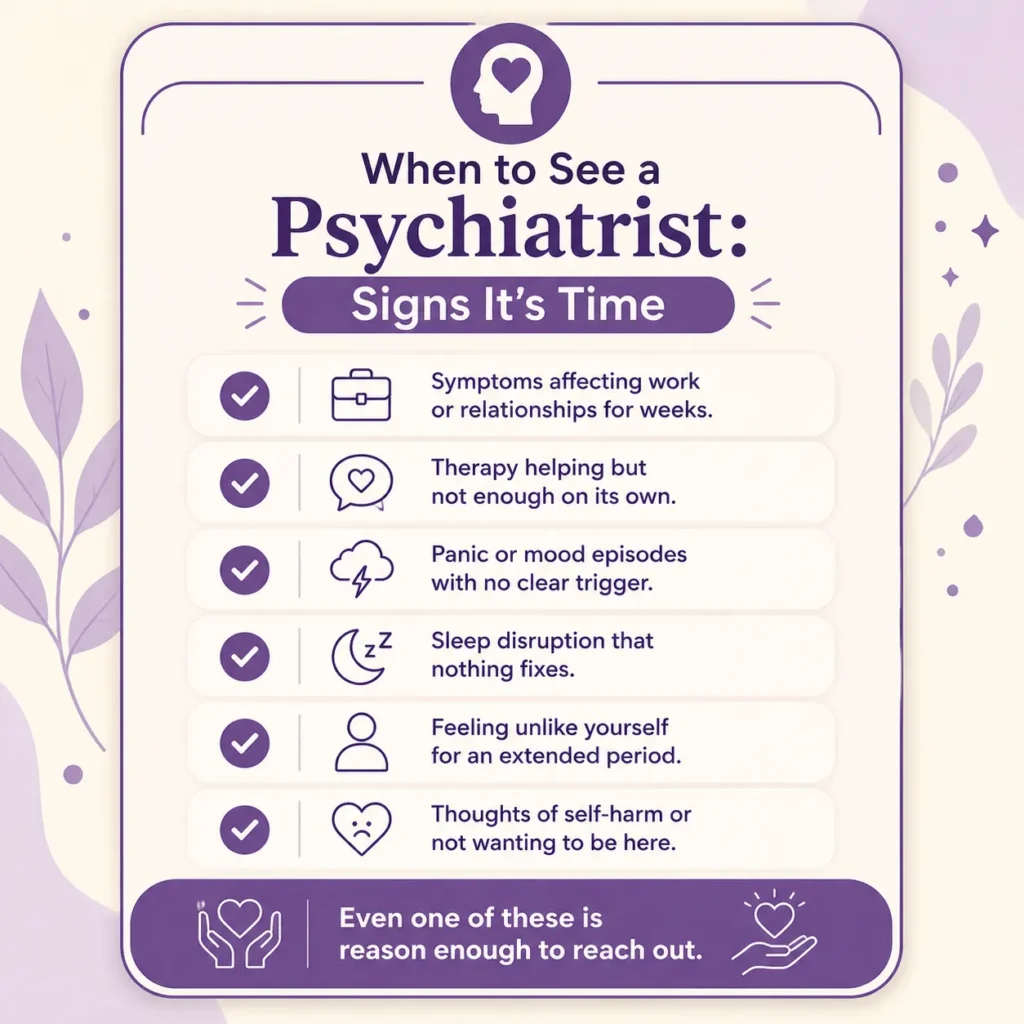
Many people hesitate to schedule their first psychiatric appointment because they don’t think their struggles are “serious enough.” The reality is that you don’t have to wait until you’re in crisis. If your mental health has been affecting your work, relationships, sleep, or overall quality of life for several weeks, it’s time to seek professional support.
A psychiatric evaluation can also help if therapy alone hasn’t provided enough relief or if you’re experiencing persistent anxiety, depression, panic attacks, racing thoughts, emotional numbness, or symptoms that make it difficult to function day to day. These are signs that a more comprehensive treatment approach may be beneficial.
Most importantly, if you’re having thoughts of harming yourself or feeling like life isn’t worth living, don’t wait to see if things improve on your own. Reach out for help immediately. Psychiatry isn’t only for emergencies; it’s for anyone whose mental health is preventing them from living the life they want.
What a Psychiatric Intake Appointment Actually Involves
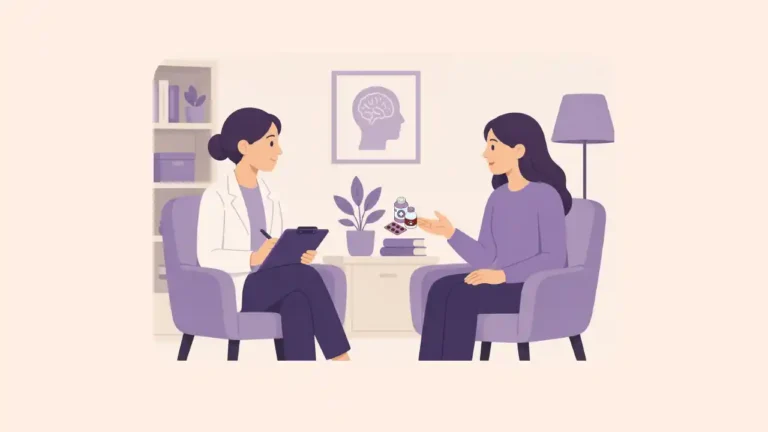
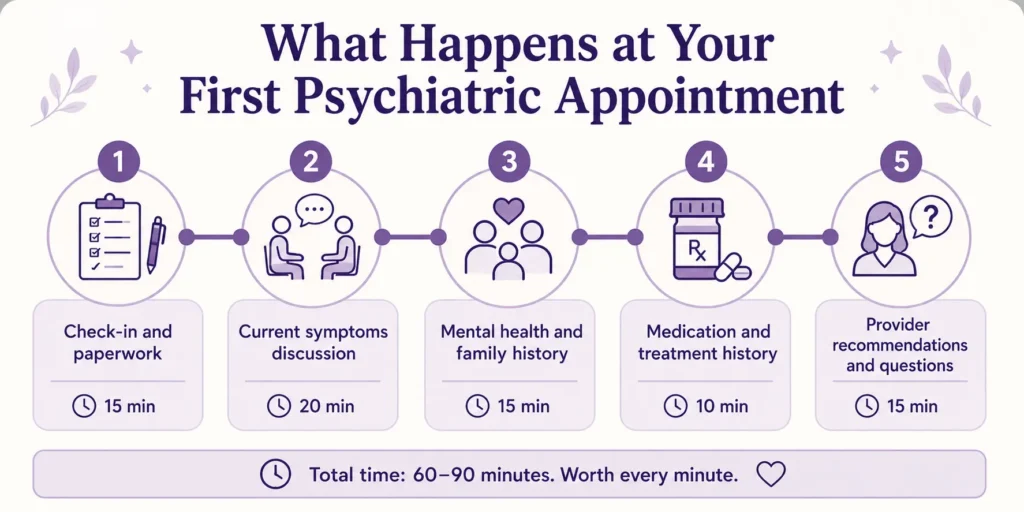
A comprehensive psychiatric evaluation is simply a structured conversation that helps your psychiatrist understand your mental health. During your first visit, your psychiatrist will ask about your current symptoms, when they begin, how they affect your daily life, and what treatments you’ve tried before.
A comprehensive psychiatric evaluation also includes your mental health and medical history, family history, current medications or supplements, and lifestyle factors such as sleep, work, relationships, and stress. All this information helps your provider make an accurate diagnosis and develop a personalized treatment plan.
Most initial evaluations at a mental health clinic in Frisco, TX, take about 60 to 90 minutes. Taking the time to answer honestly and thoroughly gives your psychiatrist the information needed to provide the most effective care.
How to Talk to a Psychiatrist: The Honest Version
This is the part most people quietly worry about and rarely ask directly. Understanding how to talk to a psychiatrist helps you feel more confident about being honest, sharing important details, and discussing your concerns openly.
The short answer is saying the thing you’re most tempted, not to say. The intrusive thoughts embarrass you. The way the anxiety actually feels in your body is worse. The drinking that’s gotten heavier since things got hard. The suicidal thoughts that passed but showed up. The fact that you’ve been functioning fine on the outside while feeling completely unlike yourself on the inside for the better part of the year.
Psychiatrists hear all this regularly. Nothing you say is going to shock your provider or change how they treat you as a person. What it will do is give them the information they need to actually help you.
What to tell your psychiatrist is everything that feels relevant, even the things that feel like they might not be. You don’t need to self-edit for brevity or try to present yourself in a particular way. The more you try to manage how you come across, the less useful the appointment tends to be. Come as you actually are not the version of you that’s coping, but the version that made the appointment.
The Questions Worth Writing Down Before You Go
Most people leave their first appointment, realizing they forgot to ask something important. Writing down your questions beforehand isn’t overthinking; it’s just practical. Use these questions to get the most out of your appointment with your psychiatrist.
Don’t hesitate to ask questions during your appointment. Ask your provider about your diagnosis, treatment options, and why they recommend a specific plan. If medication is prescribed, discuss its benefits, side effects, and when you can expect results. Before leaving, confirm your follow-up plan and know who to contact if your symptoms change.
These aren’t demanding questions. They’re the questions any good provider expects and welcomes, and the answers will tell you a great deal about whether the fit between you and your provider is right.
What to Bring to Your Appointment
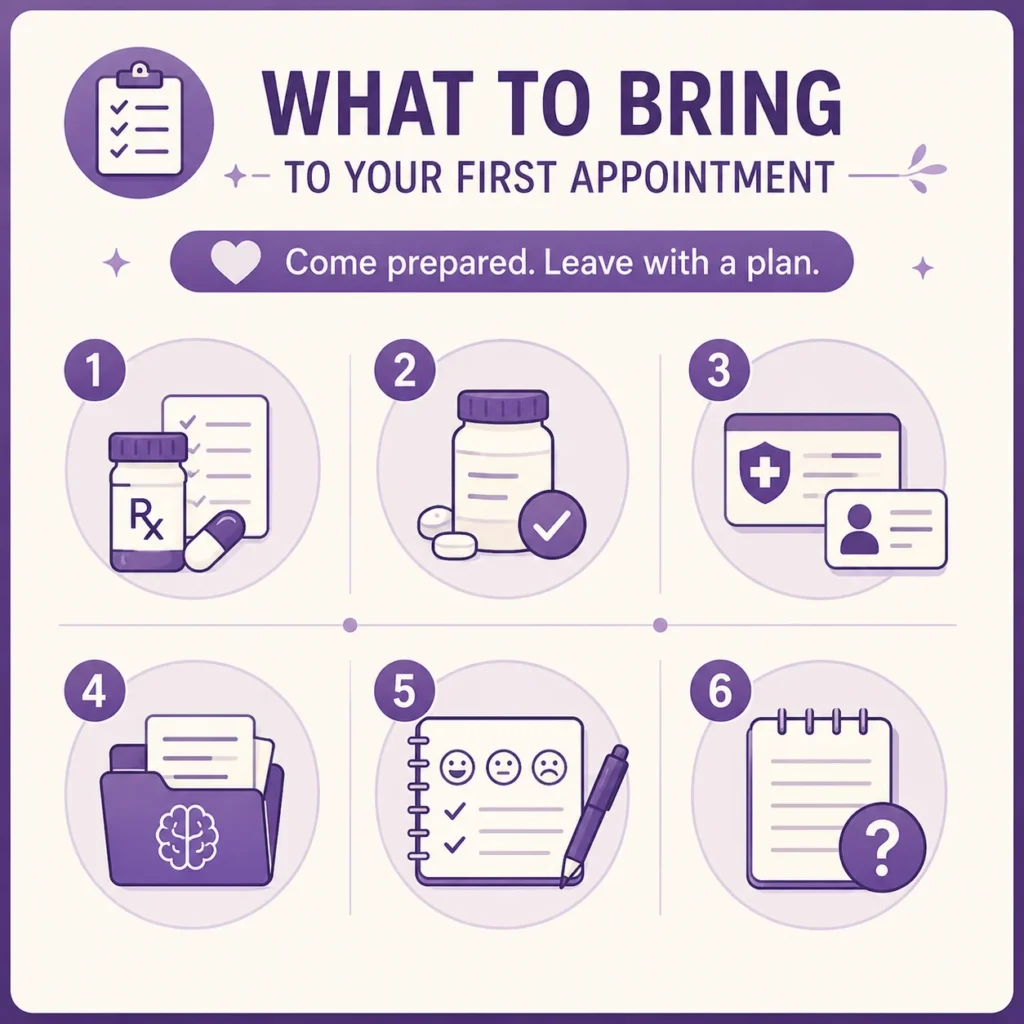
Preparation isn’t just mental; there are practical things that make a first appointment significantly more useful. Bring a list of every medication you currently take, including supplements, vitamins, and anything over the counter. Include dosages if you know them.
Bring a list of any medications you’ve tried in the past for mental health, and note whether they helped, didn’t help, or caused problems. If you have any prior mental health records, diagnoses, or therapy notes, bring those too or have them sent ahead if the clinic allows it.
If you’ve been tracking your mood, sleep, or symptoms in any way, even informal notes on your phone bring that. It gives your provider data points rather than just general impressions, which makes a real difference in how accurately they can assess what’s happening. And bring your insurance card and any relevant identification for the administrative side of things, because figuring that out at the front desk when you’re already anxious isn’t the ideal way to start.
Collin County Mental Health Services: Why Location and Access Matter
For people across Collin County, mental health services are not always easy to navigate. Knowing that a provider is accessible geographically, logistically, and in terms of insurance removes barriers that otherwise cause people to delay care they’ve already decided they need.
When evaluating a psychiatrist Frisco TX, check whether they accept your insurance, offer telehealth for follow-up visits, and how long new patients typically wait for an appointment. Knowing these details ahead of time can help you choose the right provider and avoid unnecessary delays.
Psychiatry in Frisco and the surrounding Collin County area has grown meaningfully in recent years, with more providers offering integrated care that combines psychiatric evaluation and medication management with coordinated therapy referrals.
This matters because the most effective psychiatric care isn’t just medication; its medication working alongside the right therapeutic support, with a provider who communicates across rather than leaving you to manage the coordination yourself.
Frequently Asked Questions
In most cases, you don’t need a referral to schedule an appointment with Beautiful Minds Psychiatry. The practice accepts self-referrals, allowing you to book directly. However, it’s always a good idea to check with your insurance provider, as some plans may require a specialist referral.
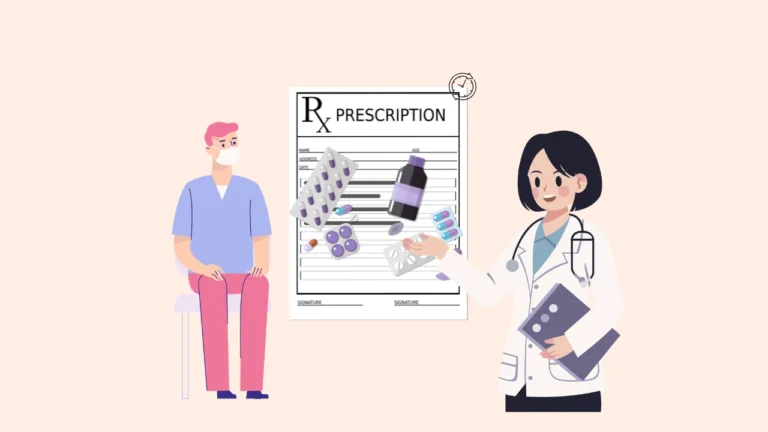
Not always. Some psychiatrists prescribe medication during the first visit if a diagnosis is clear, while others complete a thorough evaluation before recommending treatment. Either approach is appropriate, if you understand why a medication is being prescribed, its potential side effects, and what to expect.
Look for a psychiatrist accepting new patients with experience treating your specific concerns. Consider insurance, telehealth availability, and appointment wait times. Beautiful Minds welcomes new patients in Frisco and offers comprehensive psychiatric evaluations, personalized treatment plans, and convenient telehealth options for eligible patients.
Booking an appointment is usually straightforward. Start by choosing a psychiatrist who matches your needs, then call the office or use their online scheduling system. Have your insurance information, medication list, and preferred appointment times ready. Many practices also offer secure telehealth visits if you prefer to be seen from home.
You should leave your first appointment feeling heard, not rushed, and with a clear sense of what the next step is. If you felt dismissed, pressured, or like your concerns weren’t taken seriously, it’s completely appropriate to seek a second opinion or try out a different provider.
A Final Word from Beautiful Minds Psychiatry
That first appointment is the hardest one to make and almost never the hardest one to attend. Once you’re in the room or on the screen, most people find that the conversation flows more naturally than they expected and that they leave feeling something they haven’t felt in a while: like someone understands what’s been going on.
At Beautiful Minds psychiatry in Frisco, that’s what we’re here to provide. A real evaluation, an honest conversation, and a care plan that’s built around your specific situation rather than a generic template. Reach out to schedule your first appointment and bring every question to your list. We’re ready when you are.
Disclaimer: This content is for informational and educational purposes only. It is not a substitute for professional mental health advice, diagnosis, or treatment. If you are in crisis, call or text 988 for the Suicide and Crisis Lifeline.